

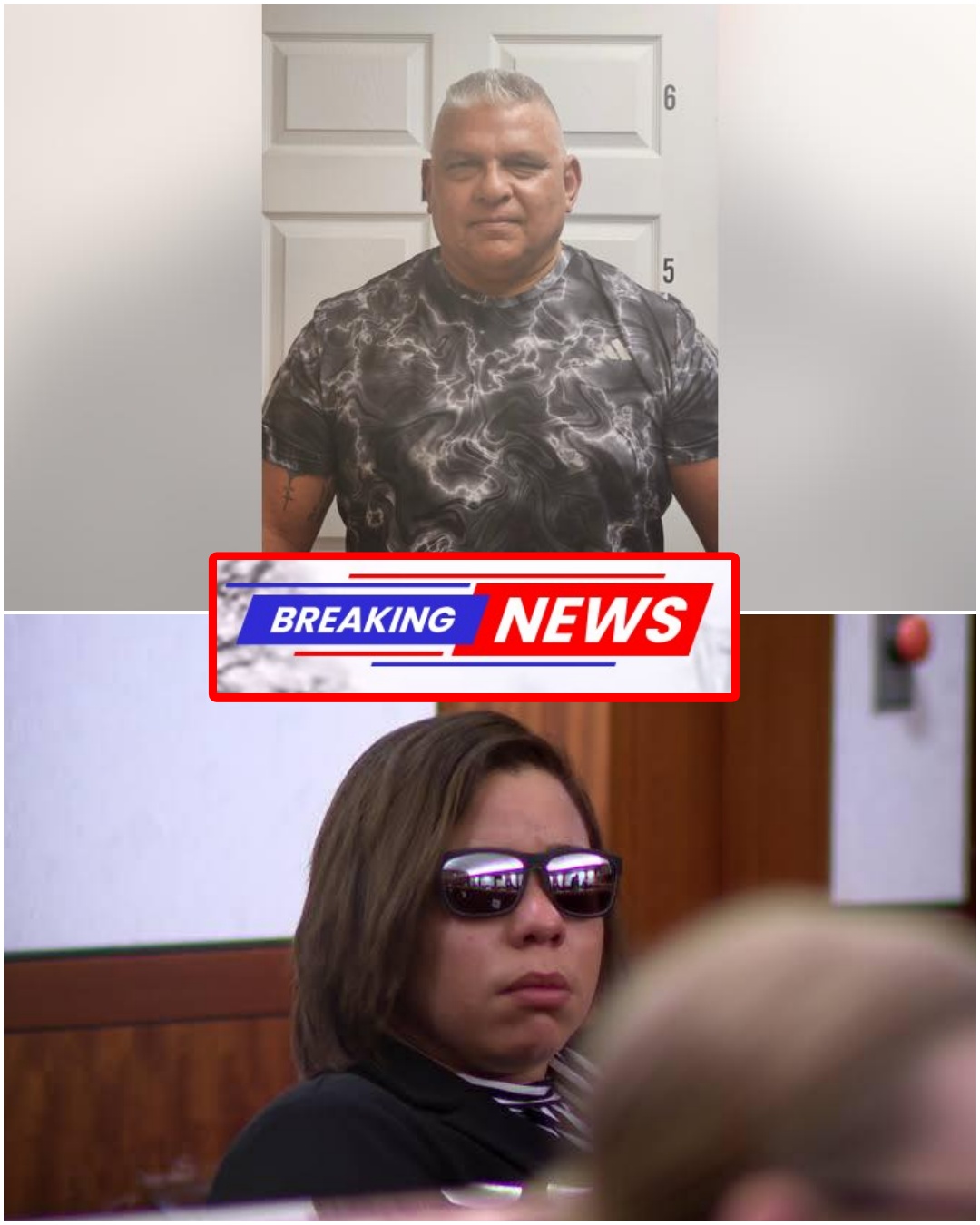
In a profession built on dignity, restraint, and respect for the dead, even the smallest breach of ethics can ripple outward with devastating consequences. Funeral homes are meant to be places of quiet professionalism, where families entrust strangers with their loved ones during the most vulnerable moments of grief. In Houston, Texas, that trust was severely shaken when authorities revealed allegations against a former embalmer whose actions inside a funeral home sparked national outrage and debate.
According to investigators, the incident occurred while the embalmer was preparing a deceased man’s body for cremation. What should have been a routine professional procedure allegedly turned into something far more disturbing. Law enforcement reports state that after learning information about the deceased’s criminal history, the embalmer committed an act that authorities classified as abuse of a corpse.
The deceased man, police say, had been listed as a registered sex offender during his lifetime. Investigators believe that upon discovering this information, the embalmer allowed personal emotions and moral judgment to override professional boundaries. Rather than maintaining the strict neutrality required in her role, she allegedly took actions meant to demean and punish the body after death.
What made the case even more troubling, authorities said, was that the act was not done in isolation. Other employees were reportedly present or nearby at the time and witnessed what occurred. Funeral home workers are trained to handle sensitive situations discreetly, but in this instance, the alleged conduct was so extreme that it immediately raised alarms among coworkers.

According to police affidavits, the embalmer later attempted to pressure or intimidate colleagues into staying silent. Investigators claim she warned others not to report the incident, allegedly suggesting consequences if they spoke out. This alleged effort to suppress reporting would later become a key part of the criminal investigation.
Despite the pressure, the incident was eventually brought to the attention of authorities. Once reported, law enforcement opened a formal investigation into what had occurred inside the funeral home. Detectives interviewed employees, reviewed statements, and gathered evidence related to the treatment of the body and the events that followed.
The former embalmer was subsequently charged with a felony offense related to the mistreatment of human remains. Under Texas law, abuse of a corpse is considered a serious crime, reflecting society’s long-standing belief that the dead must be treated with dignity regardless of who they were in life or what they may have done.
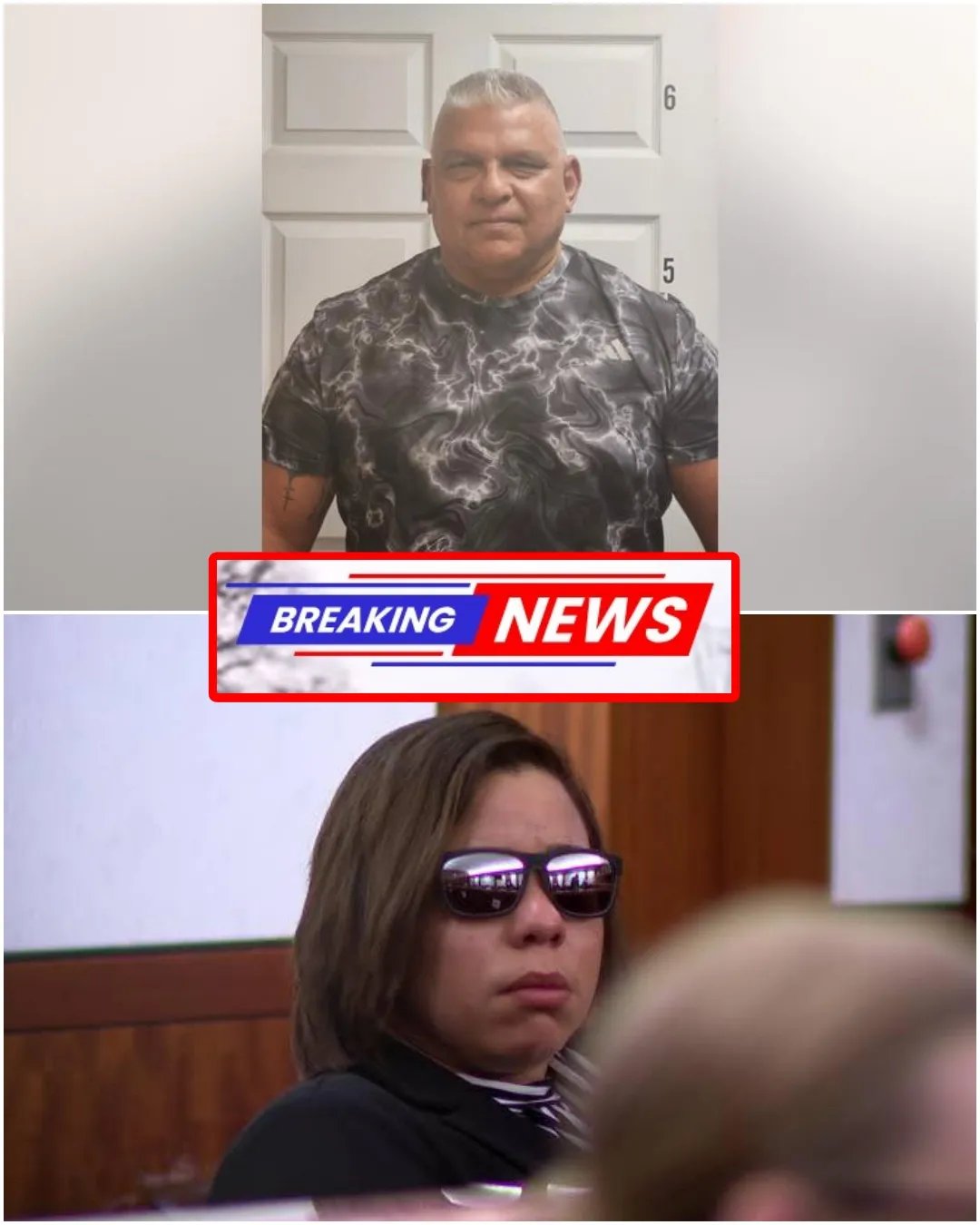
After charges were filed, the woman turned herself in to authorities. She was processed, booked, and later released on bond as the case moved forward through the court system. Her release, while standard in many nonviolent felony cases, intensified public reaction and fueled widespread discussion online and in legal circles.
The case quickly drew national attention, not only because of the shocking nature of the allegations, but because it raised uncomfortable questions about professional ethics. Funeral service workers occupy a rare position of trust: they operate largely behind closed doors, unseen by the public, yet their work directly affects families, communities, and cultural rituals surrounding death.
Industry experts emphasized that funeral professionals are bound by strict ethical codes. Regardless of personal beliefs, emotions, or opinions about the deceased, embalmers are expected to perform their duties with neutrality and respect. Any deviation from that standard, they argue, undermines the integrity of the entire profession.

Legal analysts noted that the criminal history of the deceased is irrelevant under the law when it comes to postmortem treatment. Once a person has died, their body is protected by statutes designed to prevent desecration, humiliation, or abuse. The justice system, not individuals, is responsible for addressing crimes committed during life.
The case also prompted broader conversations about emotional boundaries in high-stress professions. Embalmers, medical examiners, and funeral workers are routinely exposed to traumatic material, including violent deaths and criminal histories. Mental health professionals stress that support systems and clear protocols are essential to prevent emotional burnout or boundary violations.
For families who entrust funeral homes with their loved ones, the allegations struck a particularly painful chord. Even though the deceased in this case did not have family publicly involved in the proceedings, many people imagined how devastating it would be to learn that a loved one’s remains were mishandled in any way.
Funeral home management reportedly cooperated with investigators, though questions remain about internal oversight and reporting procedures. Industry watchdogs have since called for clearer guidelines on how sensitive information about the deceased should be handled and who has access to such records during preparation.
Public reaction has been sharply divided. Some voices expressed anger toward the embalmer’s actions regardless of motive, emphasizing that professional responsibility must override personal judgment. Others, while condemning the conduct, questioned how funeral workers should cope emotionally when confronted with the worst aspects of humanity.
Civil rights advocates warned against allowing moral outrage to blur legal standards. They stressed that once exceptions are made—once society decides some bodies deserve less respect than others—the principle of universal human dignity is weakened.
As the case proceeds through the courts, the former embalmer faces not only potential legal penalties but permanent damage to her career. Licensure consequences, professional bans, and long-term reputational harm are likely outcomes regardless of the trial’s final resolution.
The case has already become a cautionary tale taught in funeral service training programs, highlighting the importance of emotional regulation, ethics education, and whistleblower protections within closed professional environments.
At its core, the Houston case is not just about one person’s alleged actions. It is about trust—how easily it can be broken, how difficult it is to rebuild, and how essential accountability is in professions that operate out of public sight.
As investigators continue and the legal process unfolds, one question remains at the center of public attention: when personal judgment replaces professional duty behind closed doors, how many safeguards are truly in place—and how many violations go unseen?