


1.
Neonatal intensive care units are designed to be sanctuaries of science and vigilance—spaces where the most fragile lives on earth are guarded with relentless care. Inside these wards, premature and critically ill newborns depend entirely on medical professionals for survival. Parents place their trust, often blindly, into the hands of nurses and physicians, believing that behind secured doors and advanced equipment, their babies are safe. In Henrico County, Virginia, that trust would ultimately be shattered.
2.
Between 2022 and 2024, a troubling pattern began to surface inside the NICU at Henrico Doctors’ Hospital. Multiple premature infants—babies too young to roll, crawl, or even stretch on their own—were found to have unexplained bone fractures. At first, the injuries were treated as isolated medical anomalies. But as the number grew, so did concern among physicians, families, and eventually law enforcement.
3.
The infants involved were among the most vulnerable patients imaginable: premature, low-birth-weight babies whose bones were still developing. Some had fractures to arms or legs, injuries that cannot occur without force. Yet initially, hospital leadership reportedly suggested a benign explanation—that the fractures could be attributed to the inherent “fragility” of premature infants. This explanation would later become a central and deeply controversial element of the case.
4.
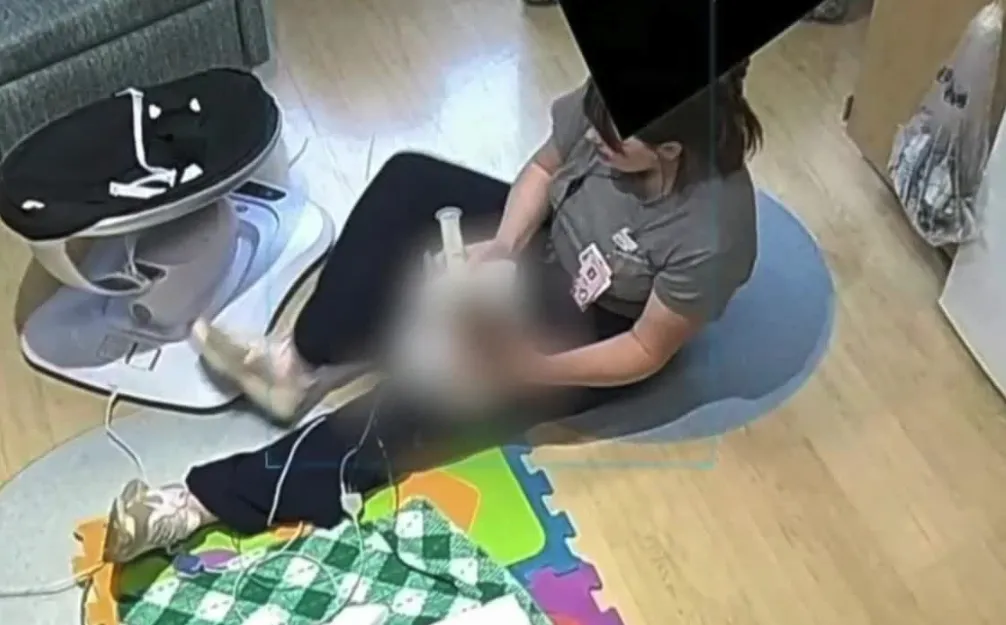
At the center of the investigation is Erin Elizabeth Ann Strotman, a former NICU nurse who worked at Henrico Doctors’ Hospital during the period when the injuries occurred. Strotman was entrusted with hands-on care of premature babies—feeding them, repositioning them, and performing routine but critical nursing tasks. These were moments when infants were most exposed, most defenseless.
5.
According to investigators, the fractures were not random. Medical reviews allegedly linked a pattern of injuries to times when Strotman was assigned to care for specific infants. Over time, the number of affected babies grew. What had once been explained away as medical fragility began to resemble something far more disturbing: intentional harm inflicted by a caregiver inside the NICU.
6.
The case escalated when law enforcement was brought in. Detectives reviewed medical records, staff schedules, and expert analyses of the injuries. Pediatric specialists reportedly determined that the fractures were inconsistent with accidental handling or routine medical care. Instead, they suggested deliberate force—force that could only have come from someone with direct physical access to the babies.
7.
Strotman was ultimately charged with multiple felony counts, including malicious wounding and child abuse. Prosecutors alleged that she intentionally caused physical injury to premature infants under her care. The charges stunned the local community and sent shockwaves through the medical profession. For families whose babies had been treated in that NICU, fear and anger quickly replaced trust.

8.
As the case moved through the courts, a startling argument emerged from the defense. In a 2023 court hearing, Strotman’s attorney claimed that hospital leadership had “offered opinion” to NICU staff that the babies’ broken bones were likely due to their fragility, not abuse. Because of that, the defense argued, Strotman was “not able to accurately assess her conduct” and therefore continued caring for infants “as she always had.”
9.
The implication of this argument was chilling. If accepted, it suggested that even as babies were being found with broken bones, no clear institutional alarm was sounded. Instead of halting care, escalating concerns, or removing staff from duty, the hospital allegedly reassured caregivers that nothing criminal—or even abnormal—was occurring.
10.
For families, that assertion was devastating. Parents of NICU babies already live in a state of constant anxiety, watching monitors beep while waiting for their child to survive another hour. To learn later that injuries were identified, discussed internally, and attributed to fragility—without full transparency—has left many parents questioning whether their babies were truly protected.
11.
Hospital NICU admissions were eventually paused as investigators examined the scope of the injuries. That decision alone underscored the seriousness of the situation. NICUs rarely suspend admissions unless patient safety is in question. The pause signaled that concerns had finally reached a level that could no longer be dismissed or internally managed.
12.
Court filings indicate that Strotman is now expected to plead guilty or no contest to multiple child abuse charges, avoiding a full trial. Sentencing is expected to be scheduled at a later date. While the plea may bring legal resolution, it does not answer the many questions that remain about institutional responsibility.
13.
Foremost among those questions is oversight. How were multiple unexplained fractures identified without triggering mandatory reporting mechanisms sooner? Why were alternative explanations emphasized instead of immediate protective action? And at what point does a medical institution’s effort to explain anomalies cross into failure to safeguard patients?
14.
Medical experts unaffiliated with the case have emphasized that while premature infants can have fragile bones, spontaneous fractures without trauma are rare and should prompt immediate investigation. In NICU settings, even minor injuries demand heightened scrutiny. Broken bones, they say, are never routine findings.
15.
The defense’s argument—that reassurances from hospital leadership impaired Strotman’s ability to assess her own behavior—has sparked outrage. Critics argue that it attempts to blur moral responsibility while redirecting focus away from the suffering of infants who could not speak, resist, or protect themselves.
16.
For the families affected, justice is not only about criminal accountability. It is about truth, transparency, and systemic reform. Many are now asking whether warning signs were missed, ignored, or minimized—and whether earlier intervention could have prevented further harm.
17.
The case has prompted renewed scrutiny of NICU protocols nationwide, particularly regarding injury reporting, staff monitoring, and whistleblower protections. Hospitals across the country are being forced to confront uncomfortable questions about how much trust is placed in internal assessments—and how quickly that trust must yield to external oversight when children are at risk.
18.
NICUs exist to give premature babies a chance at life. When harm occurs in such spaces, the betrayal cuts deeply. As this case moves toward sentencing, the community is left grappling with a painful reality: safety is not guaranteed by walls, credentials, or titles alone. It must be defended relentlessly, especially for those who cannot defend themselves.