

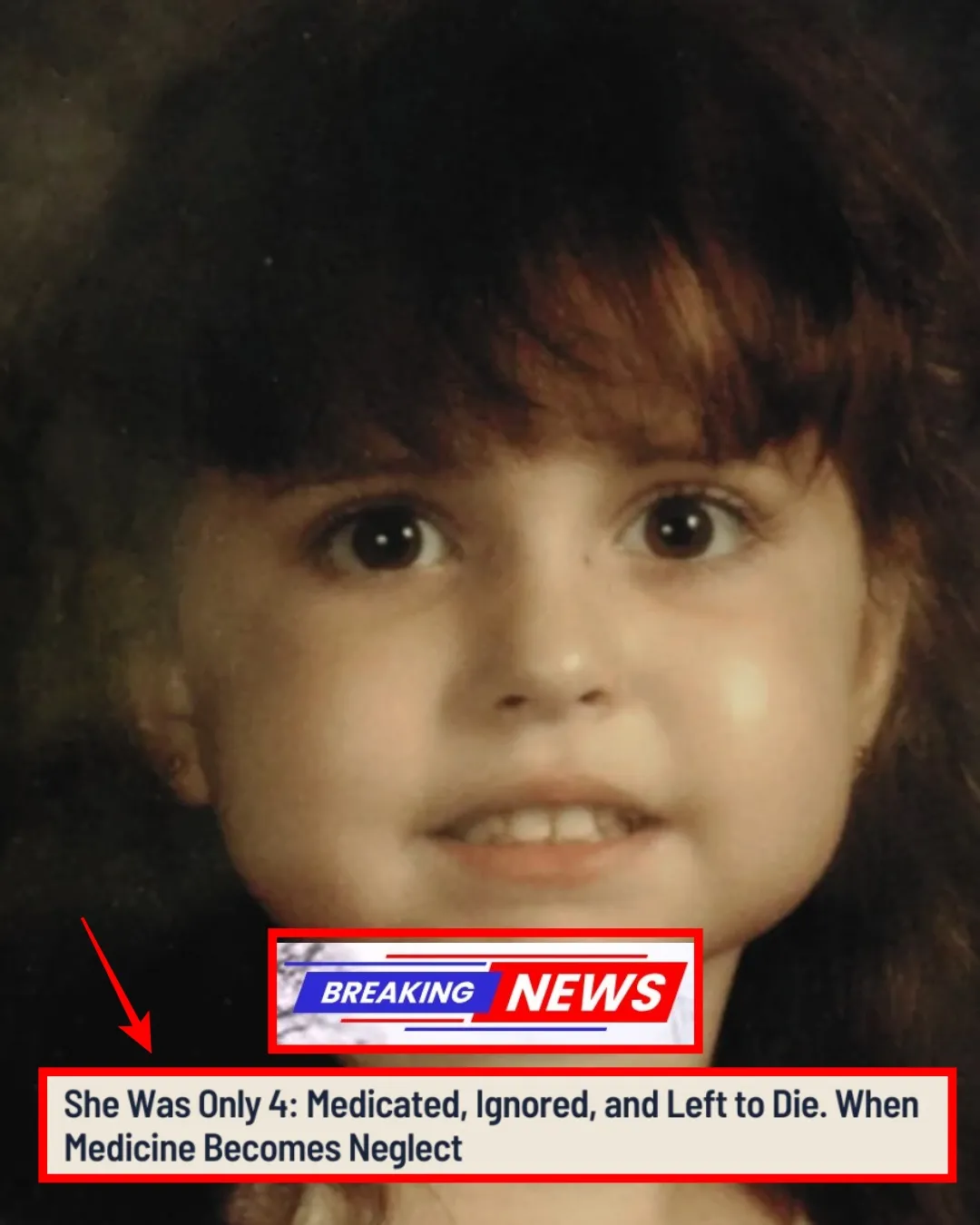
Rebecca Jeanne Riley was born into a world that was already unsteady long before her short life came to its tragic end. She entered a household in Springfield, Massachusetts, marked by poverty, chaos, untreated mental illness, and a deep reliance on medication as a substitute for stability. From the outside, the Riley home appeared like many others in struggling neighborhoods. Inside, however, it was a place where boundaries were blurred, judgment was impaired, and the most vulnerable person—four-year-old Rebecca—was repeatedly failed by the very adults meant to protect her.
Rebecca was the youngest child in a family where dysfunction was normalized. Both of her parents, Carolyn and Michael Riley, battled serious mental health issues and long-term unemployment. The home was crowded with children, most of whom were diagnosed at remarkably young ages with psychiatric conditions that are rare and controversial in early childhood. Medication bottles were everywhere, and powerful drugs were treated as routine solutions rather than last resorts. In this environment, Rebecca was not seen as a developing child, but as another problem to be managed.
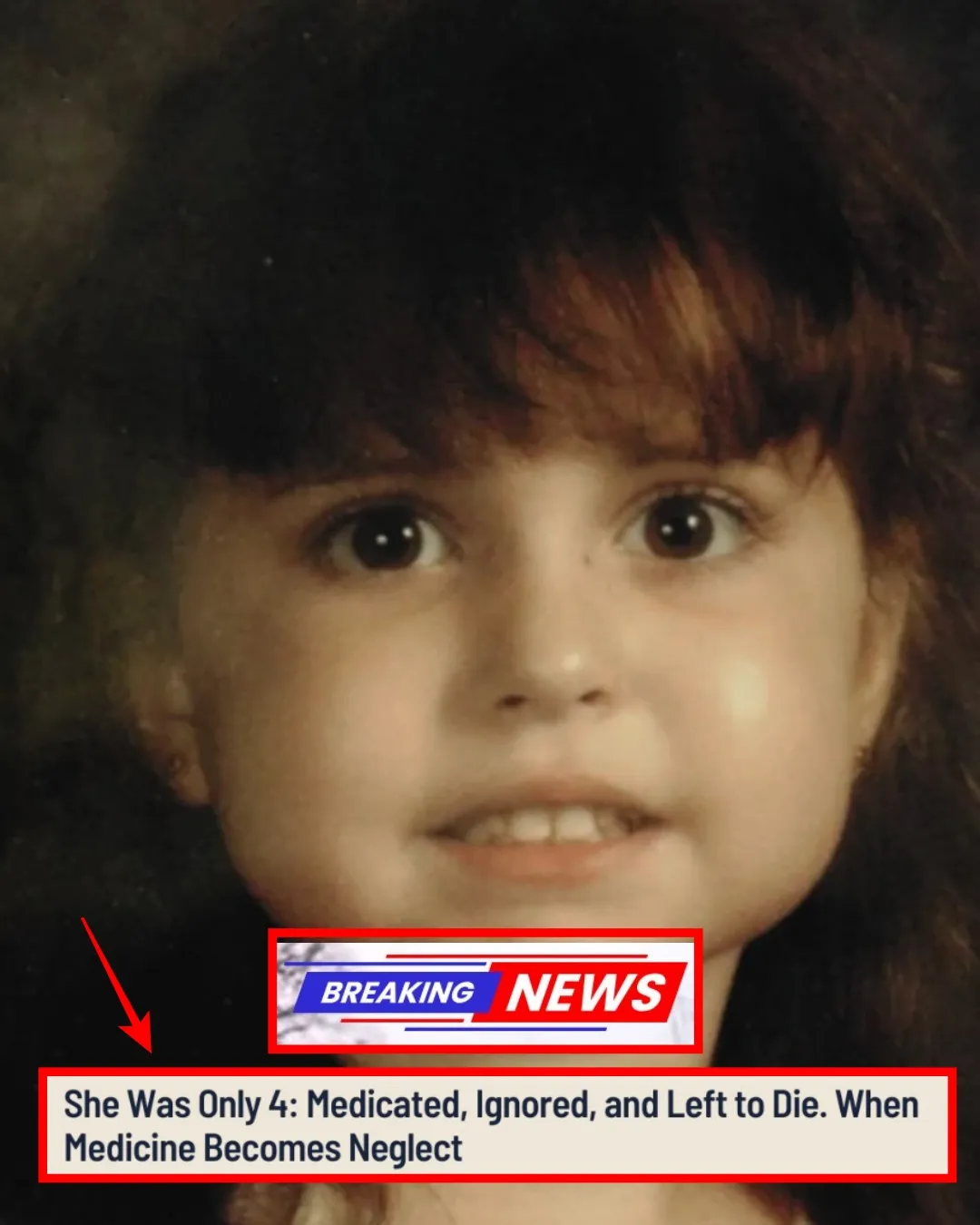
From infancy, Rebecca’s life was shaped by instability. She was described as energetic, emotional, and sometimes difficult to soothe—traits common in young children, but interpreted by her caregivers as symptoms of mental illness. Instead of receiving consistent nurturing, structure, and age-appropriate care, she was placed on a regimen of medications intended to sedate and control her behavior. These decisions were not made in isolation but were reinforced by a medical system that, at the time, allowed aggressive psychiatric treatment of very young children with minimal oversight.
Rebecca’s psychiatrist, Dr. Kayoko Kifuji, played a central and controversial role in her story. Under her care, Rebecca was prescribed clonidine, a drug typically used to treat high blood pressure in adults and sometimes prescribed off-label to manage behavioral issues in children. Rebecca was just four years old. The dosage and combination of medications she received would later raise alarm among medical experts and the public alike. What should have been extraordinary decisions became routine, and no one stepped in to slow the momentum.
As December 2006 approached, Rebecca’s health began to decline rapidly. In the days before her death, she became visibly ill. She developed a fever, began vomiting repeatedly, and showed signs of confusion and labored breathing. These were not subtle symptoms. They were clear indicators that a young child needed immediate medical attention. Other adults in the household noticed Rebecca’s condition worsening and urged her parents to take her to a hospital or call for emergency help.
Carolyn and Michael Riley refused. Distrustful of hospitals and convinced they could manage the situation themselves, they continued to administer medications at home. Instead of seeking professional medical care, they responded to Rebecca’s distress by increasing the very substances that were suppressing her nervous system. Cough syrup, antihistamines, Tylenol, and clonidine were given together, without medical supervision, in amounts that would later be deemed lethal.
On the night of December 12, 2006, Rebecca’s condition became critical. Witnesses later described her as cold to the touch, rigid, and barely responsive. She struggled to breathe, gasping for air, while vomiting repeatedly. Her small body was clearly failing. Yet even then, medical help was denied. Rather than calling 911 or rushing her to an emergency room, her parents gave her another dose of clonidine, believing—or claiming to believe—it would help her sleep.
That decision sealed Rebecca’s fate. Clonidine is a drug that suppresses the central nervous system. In combination with other medications, especially in a child already experiencing respiratory distress, it can slow breathing to fatal levels. Rebecca was placed in bed, alone, as her body shut down. No one monitored her breathing through the night. No one checked on her when the house fell quiet.
The next morning, Rebecca was found dead in her bed. Pink foam was visible around her nose and mouth, a classic sign of pulmonary edema and respiratory failure often associated with overdose. She was cold and unresponsive. Emergency services were finally called—but far too late. At just four years old, Rebecca Jeanne Riley was gone.
An autopsy revealed the truth that her small body could no longer hide. The medical examiner ruled her death a homicide caused by acute intoxication from a combination of prescription and over-the-counter medications. The levels of clonidine in her system were particularly alarming. This was not an accident, nor was it an unforeseeable tragedy. It was the result of repeated, conscious decisions to ignore her suffering and replace medical care with chemical sedation.
The investigation that followed exposed the full extent of the dysfunction in the Riley household. Investigators uncovered a pattern of extreme overmedication, neglect, and denial. Testimony revealed that Rebecca’s parents had been warned about the dangers of the medications they were administering. They had been advised to seek medical help when she became ill. They chose not to.
In court, Carolyn Riley was portrayed as a deeply troubled woman who nonetheless had countless opportunities to save her daughter’s life. The jury ultimately convicted her of second-degree murder. She was sentenced to life in prison with the possibility of parole after fifteen years. Michael Riley, whose actions were deemed even more deliberate, was convicted of first-degree murder and sentenced to life in prison without the possibility of parole.
Yet the outrage did not stop with the parents. As details of Rebecca’s medical history became public, the case ignited a national debate about the psychiatric treatment of young children. How could a four-year-old be prescribed such powerful drugs? Why were multiple children in the same household heavily medicated? Where were the safeguards meant to protect minors from experimental or excessive treatment?
Dr. Kayoko Kifuji voluntarily surrendered her medical license after Rebecca’s death, an action that many saw as an implicit admission of wrongdoing. However, years later, the Massachusetts Medical Board cleared her of criminal responsibility. Her license was reinstated, and she was allowed to continue practicing medicine. For many observers, this decision felt like another devastating failure of accountability.
A civil lawsuit was filed against the medical providers involved in Rebecca’s care. The case was eventually settled for $2.5 million. While the settlement acknowledged institutional responsibility, it could never undo the damage. No amount of money could return Rebecca’s life or erase the suffering she endured in her final days.
Rebecca’s story became a symbol of systemic collapse. Parents failed her by refusing medical care. Medical professionals failed her by normalizing extreme treatment without sufficient oversight. Institutions failed her by allowing warning signs to be ignored again and again. At every level, the systems designed to protect children instead enabled harm.
More than a decade later, Rebecca Jeanne Riley’s name still carries weight. Her case is cited in discussions about medical ethics, child welfare, and the dangers of unchecked authority in both families and institutions. She is remembered not only as a victim of abuse, but as a child who never had a chance to grow beyond the chaos she was born into.
What makes Rebecca’s story so unsettling is not just how she died, but how many opportunities existed to save her. At any point, a phone call could have changed the outcome. A single adult choosing caution over control could have interrupted the chain of events. Instead, silence, denial, and misplaced confidence prevailed.
Rebecca never had the language to describe her pain, never had the power to refuse what was given to her, and never had the protection she deserved. Her life ended quietly in a bed that should have been a place of comfort, not death.
Today, her story lingers as a warning—about what happens when children are treated as problems instead of people, when medication replaces care, and when systems meant to heal instead cause harm. Rebecca Jeanne Riley lived only four years, but the questions her death raised continue to echo, unresolved and deeply unsettling, long after her voice was silenced.