


The courtroom was quiet in the way storms are quiet right before they break,
a silence stretched thin over polished wood and waiting breath,
where a judge sat elevated above the room holding words that could never bring anyone back,
and somewhere far from that room, six little girls were living their first days inside a future that no longer included their mother.
Ashley Lockhart was thirty-two years old,
a mother of six daughters,
the living center of a home that never truly rested and never truly slept.
Her days were built from small hands reaching upward, from voices calling “Mom” from every room,
from the constant, invisible math of diapers, meals, school rides, doctor visits, and bedtime routines that blended together until exhaustion felt like love.
It was the kind of life that looks chaotic from the outside but sacred to the people living inside it,
the kind of life measured not in quiet but in care.
She had girls who needed braids before school,
stories before sleep,
lunches packed the right way,
and reassurance after the small heartbreaks that only children feel so deeply.
They measured time in cartoons and school days and how long it took for their mother to smile again after a hard moment,
believing, as children are meant to believe, that their mother was permanent,
that she was a fixed point in the universe that nothing could remove.

Then came a Saturday morning in early August when the story changed.
The air was already warm, the streets already moving,the city already awake.
And somewhere on the west side of Philadelphia,
a gold Honda Odyssey became the last place Ashley would ever sit.
Violence is difficult to explain without making it feel unreal.
A car is supposed to be a vessel for errands, school drop-offs, grocery runs,
music playing softly in the background as the world passes by outside the windows.
It is not supposed to be the place where love turns dangerous,
where trust collapses inward,
where a life ends by intention rather than accident.

What investigators later described was not confusion or a moment that went too far by surprise.
It was not a misunderstanding,
not an error corrected too late.
It was an act that ended a life deliberately,
leaving children behind with a silence that would never soften no matter how many years passed.
Surveillance footage became part of the story,
because modern tragedy so often comes with images.
Images strangers can watch while a family struggles to breathe.
Images that flatten a woman into a moment of violence,
forgetting that she was so much more than the way her life ended.
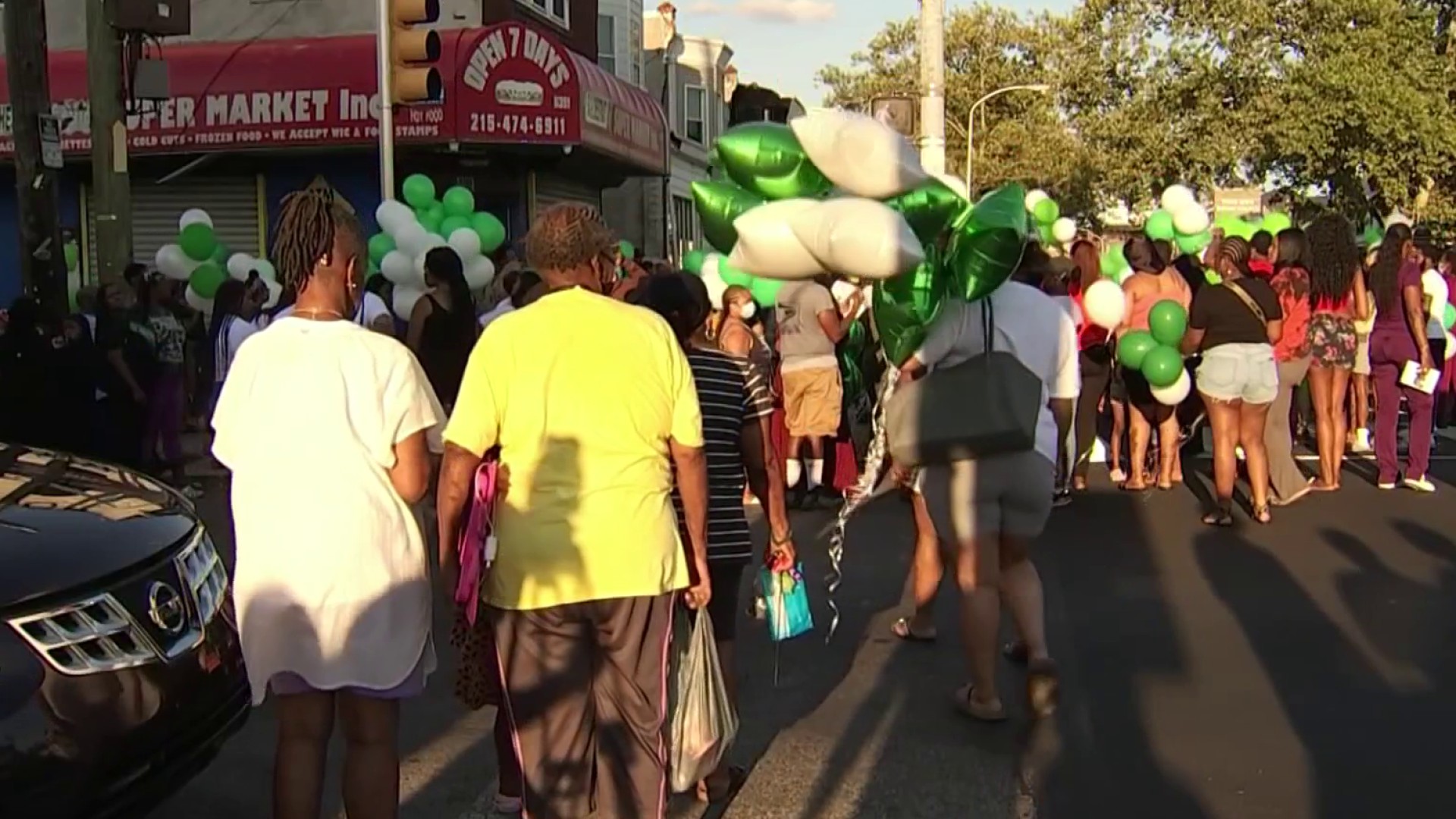
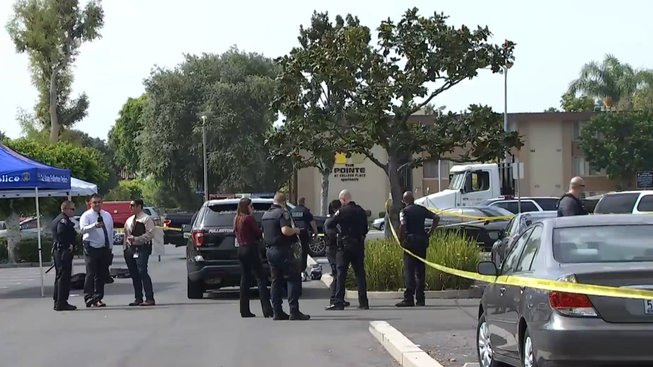
Police arrived after reports of a fight,
after witnesses described seeing a man and a woman struggling.
By the time help reached the vehicle,
Ashley’s life was already gone.
A mother of six was no longer a mother in the living sense,
only in the aching sense that never truly fades.
Raymond Thompson, thirty-four, was arrested.
Authorities said he was Ashley’s boyfriend and the father of her children,
a detail that carries its own unbearable weight,

because it means the danger did not come from outside the circle of trust,
but from within it.
The public heard the number—six children—and tried to understand what it meant.
Ten, eight, six, five, four,
and a baby only months old,
still at the age where a mother’s scent is the entire world.
Six different stages of childhood,
all depending on the same heartbeat that was suddenly gone.
People ask what happens next,
as if grief follows a checklist.
Who takes the children,

who pays the bills,
who explains the unexplainable.
How do you tell a child that the person who tucked them in last night is now a name on a news report.
In the days that followed, details traveled fast,
because the internet moves quickly with pain.
Comments appeared,
prayers appeared, anger appeared,
but none of it touched the real center of the tragedy.
That center was six girls waking up each morning to a world that no longer made sense.
Someone had to tell them.
Not all at once,
not with one brutal sentence,
but in fragments that still cut deeply.
Mom isn’t coming home.
Mom can’t answer.
Mom is gone.
The oldest may have heard the word “murder” and understood enough to be haunted by it.
The younger ones would understand it differently, like a toy that never reappears,
like a door that stays closed forever. And the baby would only know absence as a shape that forms before memory fully begins.
Adults like to believe children are resilient because the idea makes tragedy easier to face.
But resilience is not immunity,
and it is not magic.
It is what happens after damage,
not what prevents it.

Months turned into years as the legal system moved in careful, measured steps.
Court dates, filings, hearings, continuances,
paperwork stacking higher than the grief it represented.
And through it all, the children grew,
because children grow even when their world has broken.
Birthdays arrived with an empty chair.
School events came with a hollow ache where a mother’s face should have been in the crowd.
Holidays carried a new sadness hidden behind decorations and forced smiles.
Eventually, the case narrowed toward its end.
A guilty plea—third-degree murder—
words that sound clinical until they are attached to a mother’s name.
The plea did not rewrite the past,
but it ended the uncertainty about whether accountability would come at all.

Then June of 2024 arrived,
and with it, sentencing.
A judge would decide how many years a man would spend behind bars,
while the public measured whether it felt like enough.
But “enough” does not belong in a room like that,
because nothing is enough to return a mother to six children.
Ashley’s name entered the courtroom like an echo,
not as a living woman who could speak for herself,
but as a loss everyone circled carefully with formal language.
The air in such rooms is always strange,
too orderly for the emotions it contains.
Raymond Thompson stood before Diana Anhalt,
no longer simply a man with an address and a routine,
but a defendant with a number, a file, and a record of what he had done.
The state asked for years,
and the judge weighed what the law allowed against what the family had lost.
The sentence came down:
twenty-two to forty-five years.
Numbers landed heavy and final,
like doors closing one after another.
The judge said she wanted him to serve the full forty-five,
the maximum end of that range.
Some people hear forty-five years and think of punishment.
Others hear it and think of time stolen,
because Ashley did not get forty-five more years with her daughters.
She did not get one more ordinary morning,
one more bedtime story,
one more chance to watch them grow.
Time is strange.
A child can grow from kindergarten to adulthood in less than the span of that sentence.
By the time those years pass,
the baby will be grown,
the oldest will have built a life,
and their mother will still be missing.
That is what violence does.
It does not end one life.
It rearranges many lives around an empty space,
forcing children to grow around a wound they never asked for.
The courtroom could only offer years.
It could not offer the sound of Ashley’s footsteps in the hallway,
the warmth of her hand on a fevered forehead,
or the everyday miracles of a mother being there.
But telling her story offers something else.
It refuses the silence that lets violence hide.
It reminds the world that behind every sentence is a family still learning how to breathe.
Ashley Lockhart’s daughters deserved their mother.
Ashley deserved to grow older and watch them become who they were meant to be.
And now, all that remains is the truth held steady and spoken clearly.
This mattered.
She mattered.
And the children left behind matter most.