

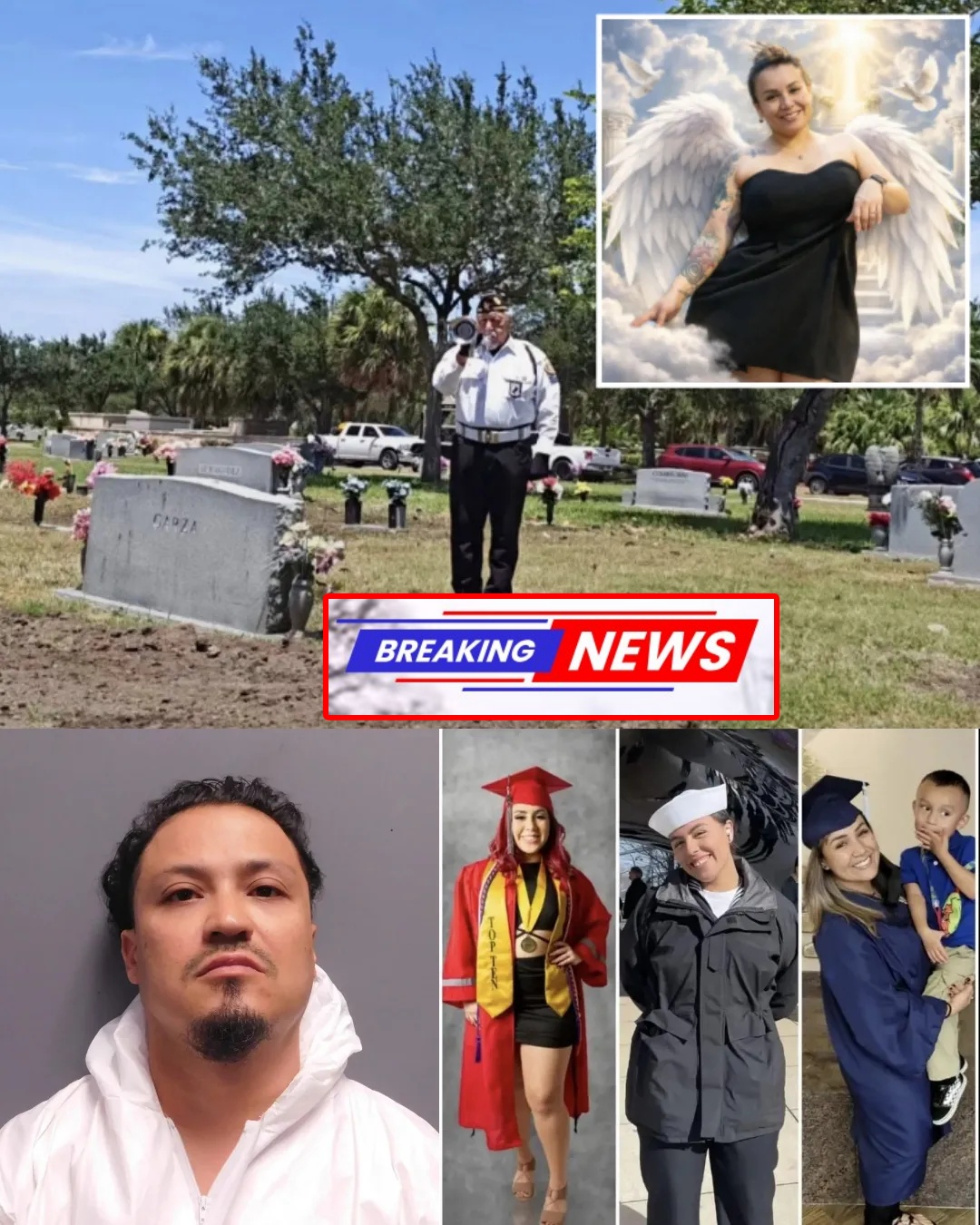
WESLACO, Texas — The morning of July 17, 2025, began like any other in the quiet neighborhoods of Weslaco. The streets were calm, the sun creeping over the horizon, and most families were stirring gently, preparing for another ordinary day.
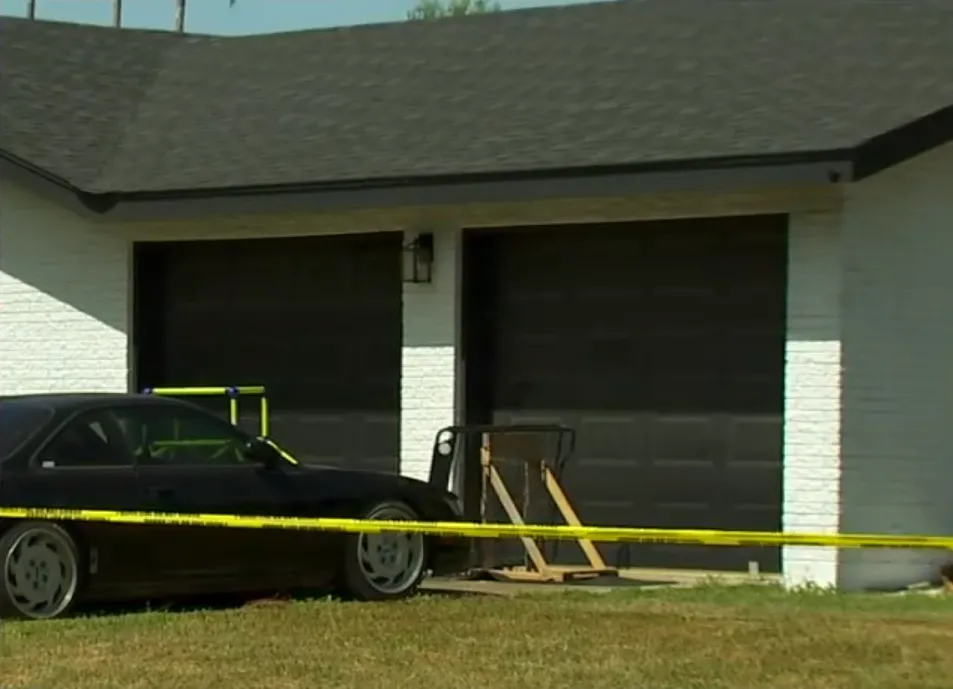
But for one home on the 600 block of West 11th Street, the day would never unfold as ordinary. A life was about to be taken, leaving behind grief, unanswered questions, and a community struggling to reconcile the normalcy of dawn with the horror that followed.
According to investigators, 39-year-old Rigoberto Garza walked into the Alamo Police Department early that morning. He did not arrive with hesitation. He did not deny his actions.
Instead, he confessed: he had shot his girlfriend,
38-year-old Jessica Mendez, inside their shared home. It was a statement so stark, so chilling in its clarity, that officers immediately knew they were dealing with a domestic tragedy of the gravest order.
At the same time, Weslaco police officers were responding to a welfare check at the residence. The call was routine in wording but would prove anything but routine in outcome.
Officers arrived to find Mendez’s body inside the locked master bedroom. She was covered with a blue comforter, her life extinguished in a place that should have been a sanctuary.
The room, once a private space of intimacy, safety, and domestic normalcy, had been transformed into a scene of violence, grief, and unanswerable questions.
An autopsy revealed the full extent of the horror. Mendez had been shot five times, one of the bullets striking the back of her head, which investigators later determined was fatal.
The medical examiner noted that she had aspirated blood into her airway, suggesting she may have remained alive for a short period after the initial shots—an agonizing period of vulnerability and fear that went unnoticed.
The brutality of her death was compounded by its setting: a home, a space that should have protected her, not ended her life.
At the time of the shooting, a child was also present in the home: Mendez’s seven-year-old son, who has autism. Despite witnessing the aftermath and being inside the house during the incident, the child was physically unharmed.
Still, the trauma of the moment—the fear, the confusion, and the sudden loss of his mother—would leave invisible scars that would require a lifetime to navigate. He was later placed in the care of family members, a temporary refuge amidst a life shattered by violence.

Investigators described the shooting as stemming from a domestic dispute, though they have not publicly released the specific details of what led to the deadly confrontation.
Authorities have also remained tight-lipped regarding whether the weapon used in the killing was recovered, leaving lingering questions about the circumstances and the choices that led to the fatal act. What is clear, however, is that this was not a random act of violence—it was personal, intimate, and devastating.
Garza was arrested and charged with murder, a first-degree felony in the state of Texas. During his arraignment, a judge set bond at $250,000, which he placed and was released.
Later, the case went before a grand jury, which formally indicted him, allowing prosecutors to move forward toward trial. If convicted, Garza could face decades in prison, but the legal process, slow and procedural, offers little solace to those grappling with immediate grief.
For the Weslaco community, the killing sent a shockwave through what is ordinarily a quiet city. The knowledge that a child had been present during the shooting heightened the horror and compounded the fear, leaving neighbors asking themselves how someone could commit such an act so close to a vulnerable child.

The case became a stark reminder of the pervasive danger of domestic violence, illustrating that the threats within a home can be as lethal as those on the streets.
Jessica Mendez was more than a victim in a police report. She was a mother, a daughter, a sister, and a professional whose life touched countless others. Mendez had been an RN in the Navy since 2007, dedicating herself to caring for others, saving lives, and providing a stable, nurturing environment for her children.
Her family and friends describe her as kind, compassionate, and devoted—a woman whose heart was as wide as it was generous. She celebrated her children’s milestones with joy, provided guidance and love without reservation, and embodied the essence of a caregiver in every sense of the word.
Her children, both adult daughters and her youngest son, had been the center of her world. Each decision she made, each long day of work and responsibility, was motivated by their welfare.
Her loss leaves a void that cannot be measured in words. The home that once resonated with laughter, bedtime stories, and the routines of family life is now silent, marked by absence, grief, and the echo of what was lost.
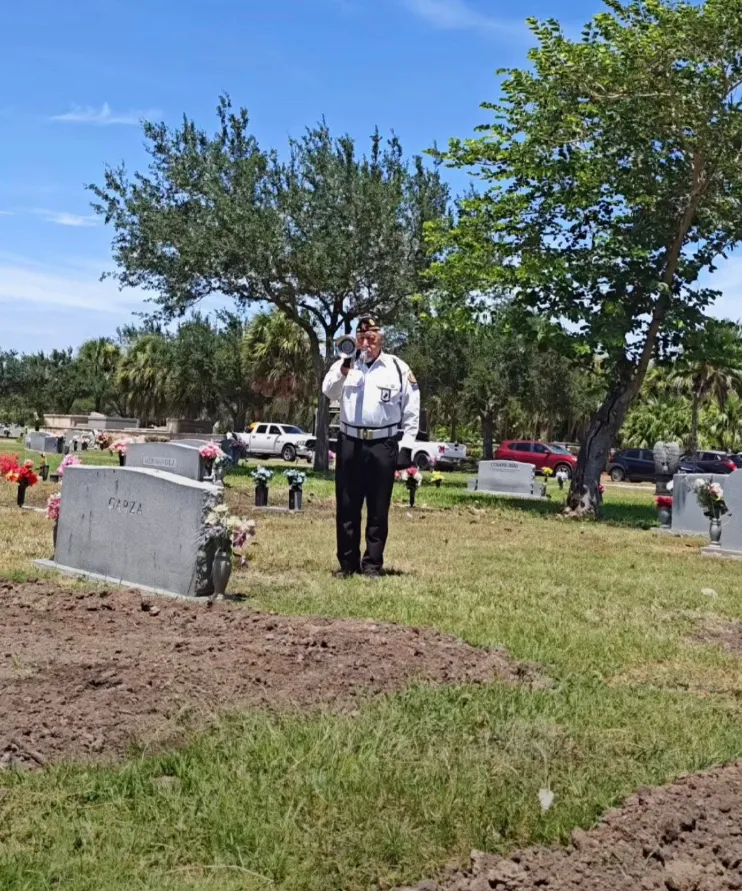
Garza’s claims of being “saved” and “changed” while working out of state add another layer of discomfort and disbelief to the narrative. For many in the community, these statements are cold comfort, unable to reconcile the enormity of the act with any purported personal transformation.
They do little to explain how a loving mother, a caretaker of children and patients alike, could be violently taken from her family in the sanctity of her home.
The presence of the child in the house underscores the chilling reality of domestic violence: the consequences extend far beyond the immediate victim. A child witnessing—or even knowing of—such violence is exposed to trauma that can shape emotional, psychological, and social development for years to come.
Even though he survived physically unharmed, the emotional and mental ramifications of losing his mother in such a violent and intimate way are profound.
While law enforcement works through the judicial process, the community and Mendez’s family are left to grapple with the immediate human cost. There are no simple answers.

There is no immediate remedy for the pain of losing someone so central to daily life, someone whose love and care formed the foundation of family routines and childhood memories.
The tragedy exposes the silent, often hidden danger that exists behind closed doors, where domestic disputes can escalate to lethal outcomes in a heartbeat.
Friends and family describe Mendez’s life as a testament to dedication, empathy, and resilience. Her colleagues remember her professionalism and her compassion in the workplace.
Her friends recall her laughter, warmth, and the quiet way she cared for those around her. She was a presence that illuminated every room, a life woven into the fabric of multiple communities, and a loss that resonates far beyond the walls of her home.

Her death, planned or impulsive, deliberate or fueled by rage, leaves enduring questions: Could the situation have been prevented? Was there any warning? How could a person capable of such violence have been allowed access to a vulnerable home and family?
These questions linger without easy answers, offering little solace but emphasizing the urgency of awareness and intervention in cases of domestic abuse.
As the legal process moves forward, Garza remains held accountable in the eyes of the law, but the emotional and communal aftermath cannot be undone.
Bonds between family members, friends, and the wider community are strained under the weight of grief, anger, and the painful process of coming to terms with what has occurred.
For those who knew Jessica Mendez, she was a life filled with purpose, a mother whose love was visible in every interaction with her children, a woman whose dedication shaped lives around her.

Her story is not just one of tragedy, but of humanity, devotion, and the loss of potential—the countless moments she would never share with her children, the milestones she will not witness, the ordinary joys that now exist only in memory.
The Weslaco community, too, must reconcile itself with the shocking reality that domestic violence can infiltrate any home. It is a stark reminder that safety is not guaranteed, even within walls built to shelter.
And it serves as a call to action: to recognize warning signs, to advocate for protection, and to intervene wherever possible before relationships escalate to irreversible violence.
While the case against Garza unfolds in the courts, the legacy of Jessica Mendez’s life persists in those who loved her.
Her children, family, and friends are left with memories, photographs, and stories that keep her alive in spirit even when her presence has been taken. Each act of remembrance, each narrative of her compassion and care, honors the life that was lost far too soon.

The shooting in Weslaco is a reminder that violence does not always arrive as a stranger; it often comes from someone known and trusted, and the aftermath is borne not only by victims but by families and communities who must continue living with the absence.
For Mendez’s children, each day will be a step into a world without their mother, guided by her memory, her teachings, and the love she instilled in them. For the community, it is a reminder of the human cost of domestic violence and the urgent need for awareness, prevention, and support for vulnerable individuals.
Jessica Mendez was 38 years old.
A mother, a daughter, a professional, and a life taken in a moment of unthinkable violence.
Her death is a tragedy that reverberates far beyond her home on West 11th Street.
Her story emphasizes the fragility of life, the weight of unchecked domestic conflicts, and the lasting impact that one act of violence can have on a family and a community.
Though she is gone, the memory of Jessica Mendez persists in the hearts of those who knew her, a testament to the power of love, compassion, and the devastating consequences when it is met with tragedy.
And as her children grow, her life, her devotion, and her story will remain an indelible part of the world she left behind—a reminder that even in loss, the imprint of love is eternal.