
The United Kingdom is standing at a historical crossroads, but according to one of its most respected military veterans, the path ahead leads directly to internal armed conflict. Retired Colonel Richard Kemp, a man whose career was forged in the heat of Afghanistan and the complexities of the “Herrick” era, has broken his silence on a topic most politicians refuse to touch: the inevitability of a physical civil war in Britain.
For years, many have spoken of a “cultural civil war” or a “war of words” on social media. However, Kemp is not interested in metaphors. He is warning of a tangible, kinetic struggle that he believes will pit the state, the indigenous population, and specific migrant communities against one another in a three-sided battle for the future of the nation.
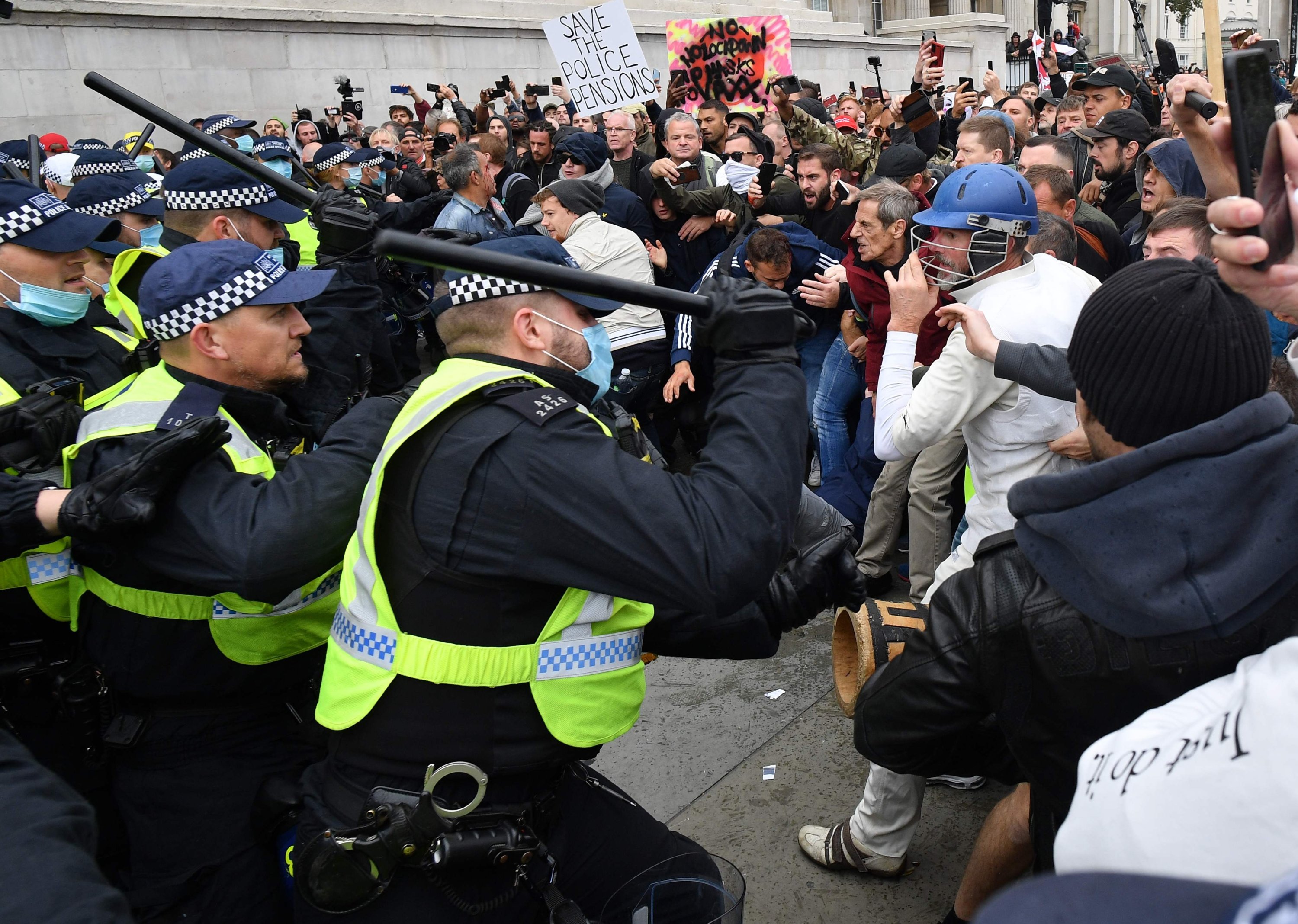
The “Northern Ireland” Template
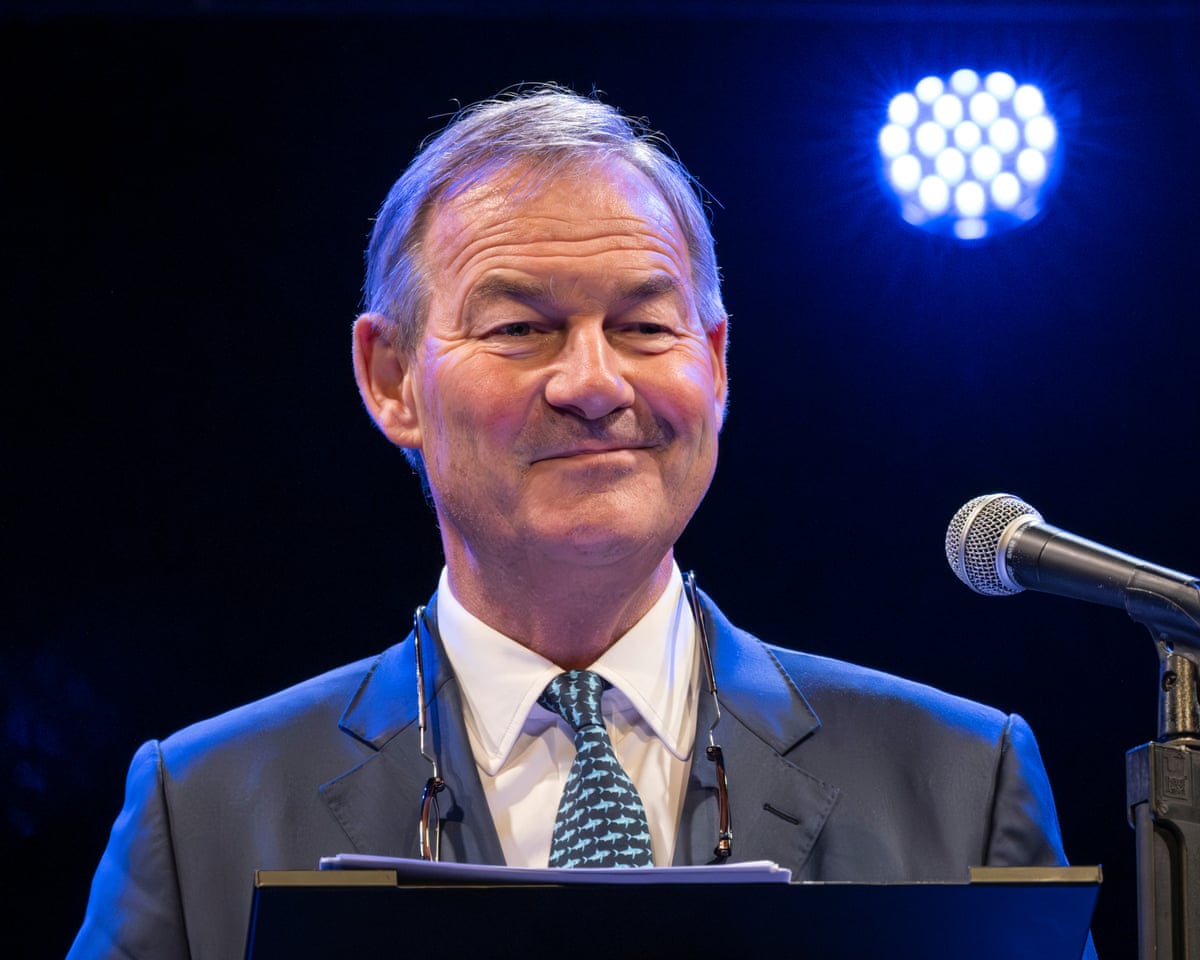
Colonel Kemp’s vision of this conflict does not involve two uniformed armies meeting on a traditional battlefield. Instead, he points to the “Troubles” in Northern Ireland as the likely template—but with a terrifying modern twist.
“I’m not talking about American civil war armies,” Kemp explained. “I’m talking about something more like Northern Ireland, but on a much more intensive scale.” This means a landscape defined by IEDs, bombings, and urban guerrilla warfare where the “enemy” is indistinguishable from the civilian population. In our current era, this threat is amplified by 50 years of technological advancement in weaponry, surveillance, and digital radicalization.
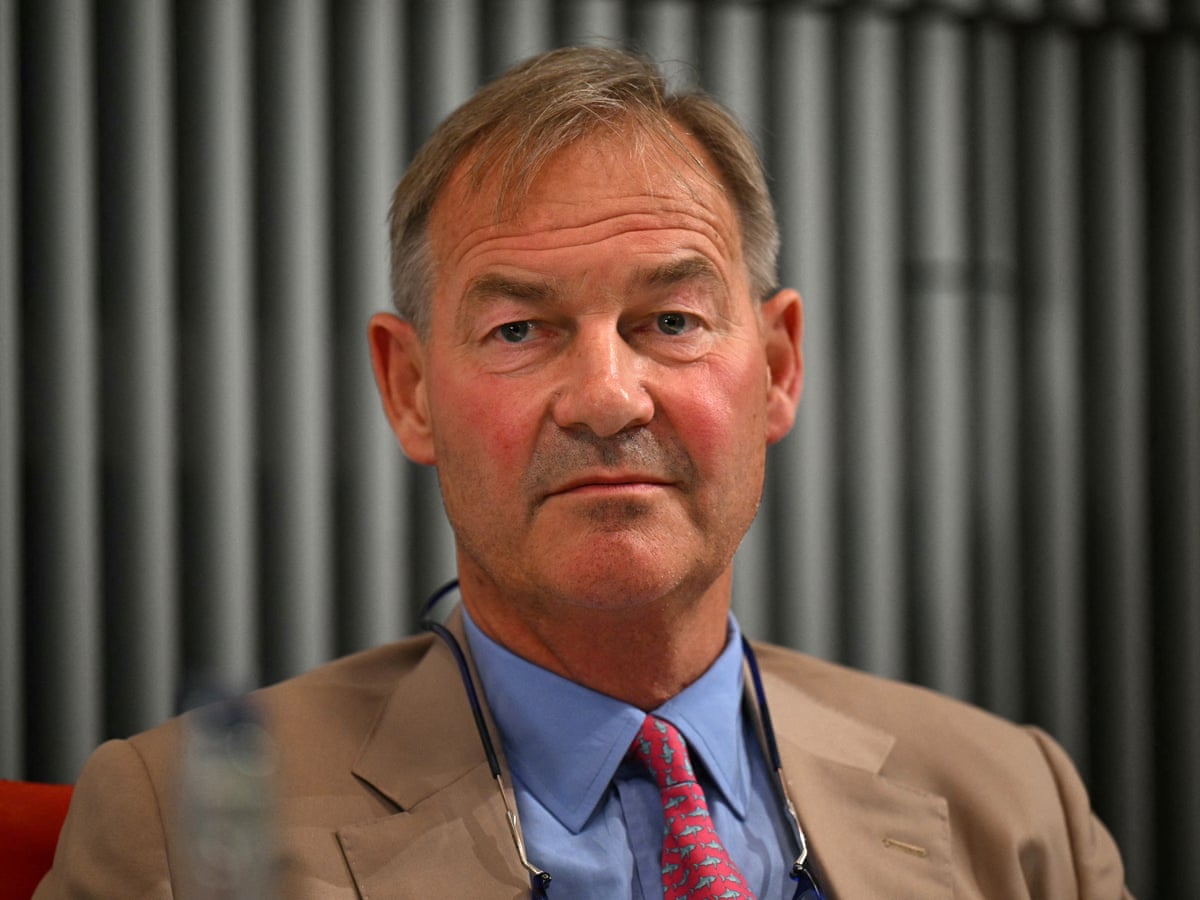
The comparison is sobering. While the Northern Ireland conflict was a tragedy that spanned decades, Kemp suggests that the coming British struggle could be even more intense, fueled by deeper cultural divides and a total lack of national unity.
A Government “Without the Guts”
According to Kemp, the primary driver of this coming catastrophe is political cowardice. He argues that current and prospective UK governments lack the “guts” to address the “Islamification” of the UK or the rapid erosion of social cohesion.
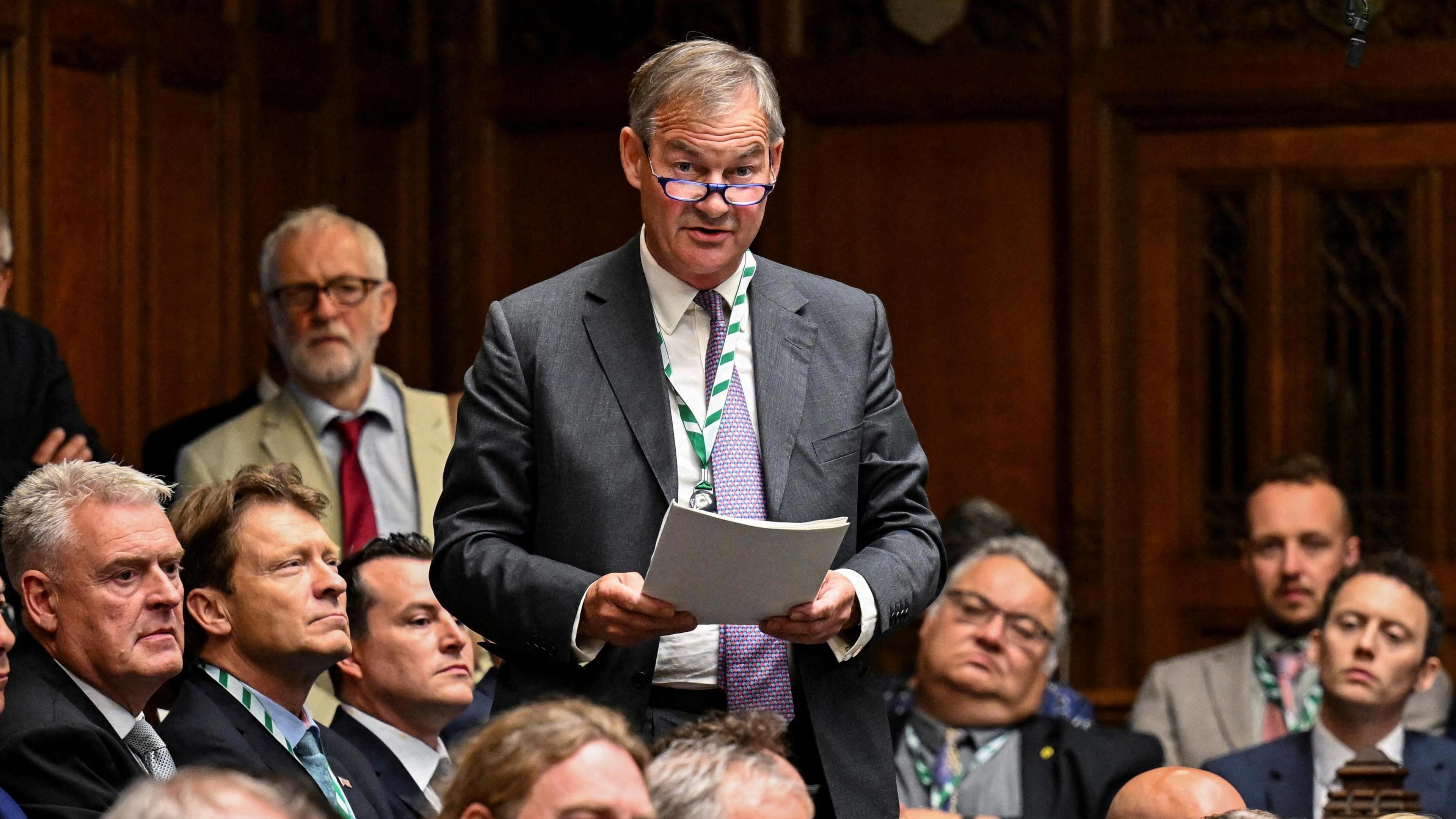
“They don’t want trouble,” Kemp remarked. “They look four years ahead… they will kick the can down the road to somebody else.” By failing to enforce strict borders and failing to integrate a rapidly growing and often self-segregated population, the state is effectively setting the stage for an explosion. Kemp believes the government has become a third party in this tension, often at odds with the very people it is supposed to represent.
The Rise of “Restore Britain”
This perceived betrayal by the political establishment has paved the way for a radical shift in British politics. Movements like “Restore Britain,” led by figures such as Robert Lowe, are seeing a surge in support from what Kemp describes as the “tolerant, patient, and disciplined” British public who have finally been “tipped over the edge.”
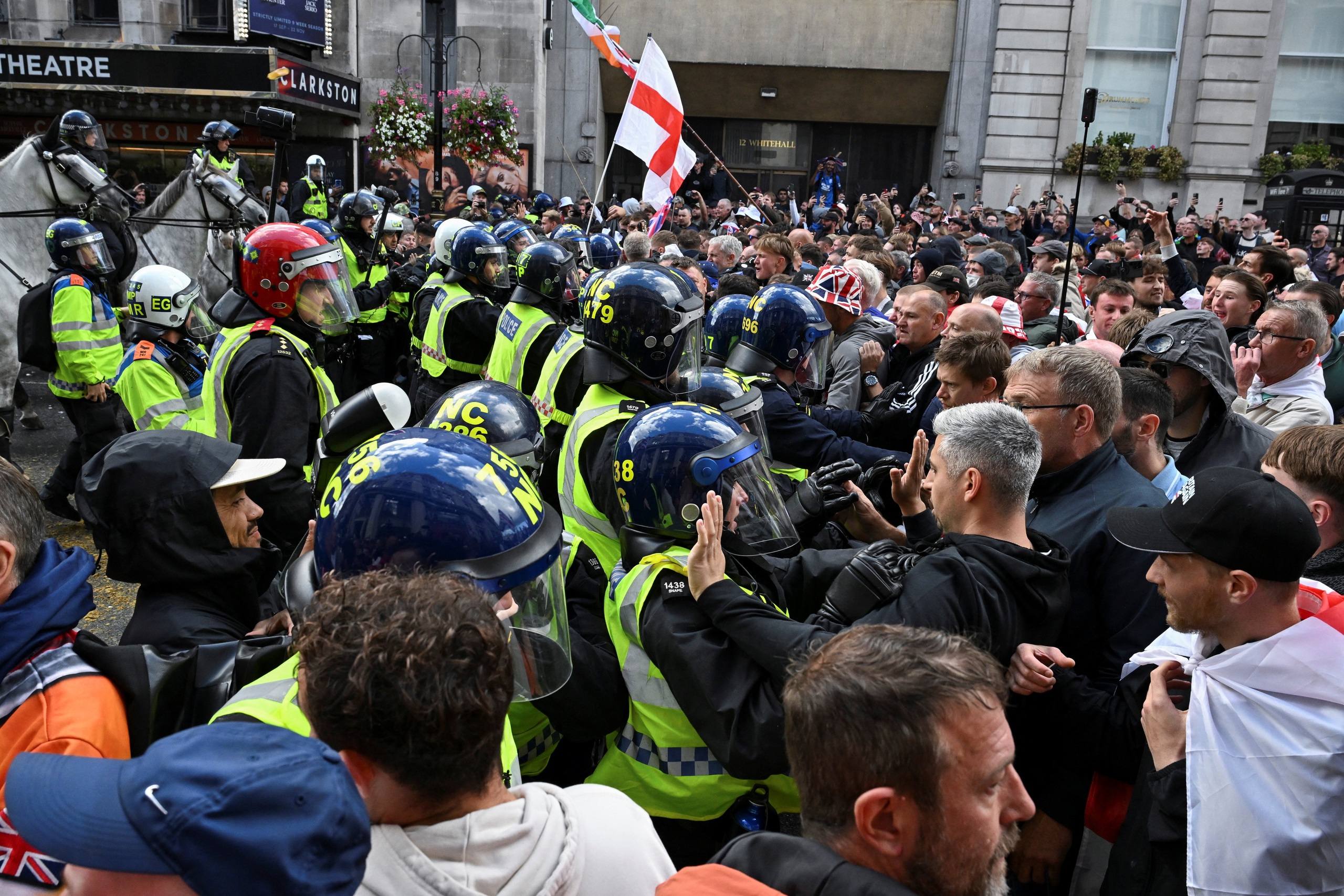
The statistics cited by military observers are equally alarming. Kemp famously pointed out that at the height of the conflict in Afghanistan, there were more British Muslims fighting alongside the Taliban than there were serving in the British Army. This disparity highlights a profound disconnect in national identity—a disconnect that is now manifesting in near-constant protests and increasingly violent riots on the streets of London and other major cities.
Global Triggers for Local Violence
Perhaps most dangerous is the fragility of the current peace. We are living in an era where events in other nations—such as the ongoing conflicts in Gaza or Iran—act as immediate triggers for civil unrest in the UK. The frequency and intensity of these “proxy protests” are growing, leading many to wonder if a single spark from a foreign land could be the final tip-over point for British society.
The scale of potential violence is not hypothetical. Analysts point to the recent uprisings in Iran, where possibly 30,000 people were killed in just a few weeks of civil unrest. In a densely populated, highly connected nation like the UK, a similar breakdown could lead to casualties on a scale the British Isles have not seen in centuries.
Are We Already in the Early Stages?
For many, the question is no longer “is it coming?” but “are we already in it?” The division is no longer just political; it is physical. High-street protests are becoming more frequent, mainstream media trust has evaporated, and the “reset” of British politics is already underway.
While the government continues to frame these issues through the lens of “diversity” and “inclusion,” military minds like Colonel Kemp see a different reality: a nation losing its grip on its own security. The Colonel’s warning is clear: unless the state finds the courage to act, the “can” that has been kicked down the road for decades is about to hit a dead end.
The British people have been patient, but as the Colonel warns, even the most disciplined population has its breaking point. Whether through a planned attack or a spontaneous eruption of communal violence, the “fragile time” we are in is nearing its conclusion.
SHOCKING CONFRONTATION: ‘DEPORT ALL MUSLIMS’ REMARKS IGNITE UPROAR IN WESTMINSTER
Westminster has been plunged into a storm of political controversy following explosive remarks calling for the deportation of all Muslims, triggering fierce condemnation, heated exchanges, and renewed debate over immigration, religious freedom, and the future of Britain’s multicultural society.
A shocking political confrontation has erupted in Westminster after remarks advocating the mass deportation of Muslims sparked widespread outrage and raised serious questions about the boundaries of political rhetoric in a democratic society. What might have been another controversial exchange in Britain’s increasingly polarised political environment has quickly developed into a much broader debate about discrimination, national identity, freedom of expression, and the responsibilities of elected representatives.
The alleged call to deport an entire religious community has sent shockwaves through political circles, with critics describing the language as deeply divisive, discriminatory, and fundamentally incompatible with the principles of equality and religious liberty. The controversy has also reignited concerns about the growing influence of extremist narratives in mainstream political discussions.
At the centre of the uproar is a statement targeting Muslims collectively, rather than addressing specific individuals based on their conduct or any established legal wrongdoing. The distinction is significant. In a democratic country governed by the rule of law, individuals are generally judged on their actions, not their religion, ethnicity, or cultural background. Calls for the removal of an entire religious population therefore raise profound questions about equal treatment and the fundamental rights protected under British law.
A POLITICAL FIRESTORM IN WESTMINSTER
Westminster has long been a stage for fierce ideological disagreements, particularly over immigration, national security, and Britain’s relationship with multiculturalism. However, the suggestion that all Muslims should be deported represents an especially inflammatory form of political rhetoric.
The controversy has placed political leaders under pressure to clarify their positions and demonstrate whether they are prepared to challenge language that targets entire communities.
For many observers, the central issue extends beyond the individual responsible for the remarks. It concerns the political atmosphere in which such statements can emerge, attract attention, and potentially become part of wider public debate.
Britain is home to millions of Muslims who contribute to its economy, public institutions, healthcare system, education sector, businesses, and cultural life. Muslim communities are not separate from British society; they are an established part of its social and national fabric.
A proposal to deport people simply because they belong to a particular religion would therefore affect countless British citizens, families, workers, students, and long-established residents.
It would also raise fundamental legal questions. Religious identity alone is not a lawful basis for stripping individuals of their rights or treating them as collectively responsible for the actions of others.
ANGER AND CONDEMNATION FROM COMMUNITY VOICES
The reaction to the controversial remarks has highlighted the anxiety felt by communities concerned about the normalisation of anti-Muslim hostility.
For many British Muslims, such statements are not merely provocative political slogans. They can reinforce feelings of insecurity, exclusion, and suspicion, particularly at a time when religious discrimination and hate incidents remain serious concerns.
Community representatives and civil rights advocates have consistently argued that political leaders have a responsibility to distinguish legitimate policy disagreements from rhetoric that portrays an entire religious group as a threat.
They stress that criticism of religious beliefs, immigration policies, or individual conduct can be part of democratic debate. However, advocating collective punishment or expulsion based on religious identity crosses a fundamentally different line.
The distinction is essential to protecting freedom of expression while ensuring that vulnerable communities are not subjected to intimidation or discrimination.
The controversy has also prompted questions about how political institutions should respond when public figures make statements that appear to challenge the principles of equality and social cohesion.
Silence, critics argue, risks allowing increasingly extreme language to become normalised. A clear response, on the other hand, can reaffirm the country’s commitment to democratic values.
IMMIGRATION AND NATIONAL IDENTITY: THE DEEPER DIVIDE
The confrontation comes against a backdrop of intense political debate over immigration, border security, asylum applications, and the pressures facing public services.
Across Britain, immigration remains one of the most emotionally charged political issues. Concerns about housing availability, employment opportunities, healthcare capacity, and the cost of living have contributed to public frustration.
These concerns deserve serious political discussion. Governments must be able to debate immigration levels, enforce immigration legislation, and address genuine failures in border management.
However, critics warn that political frustration can become dangerous when it is redirected towards religious or ethnic communities.
Immigration policy and religious identity are not interchangeable concepts. Muslims in Britain include people born in the United Kingdom, naturalised citizens, long-established families, international students, refugees, and individuals from a wide range of national and cultural backgrounds.
Treating these diverse individuals as a single group responsible for the country’s challenges oversimplifies complex social and economic problems.
More importantly, it risks transforming legitimate discussions about government policy into hostility towards ordinary people because of their faith.
THE LEGAL AND DEMOCRATIC QUESTIONS
The controversy also raises important questions about the legal framework governing equality and religious freedom in the United Kingdom.
British law provides protections against discrimination on the grounds of religion or belief. The Equality Act 2010 identifies religion or belief as a protected characteristic in relevant areas of public life, employment, and the provision of services.
Furthermore, the Human Rights Act 1998 incorporates important protections associated with the European Convention on Human Rights, including freedom of religion and freedom of expression.
These protections do not mean that every controversial political statement automatically constitutes a criminal offence. Freedom of expression remains an essential democratic principle, including the right to express unpopular or deeply controversial opinions.
Nevertheless, freedom of expression does not create a general entitlement to discriminatory treatment, nor does it remove the legal and political responsibilities attached to public office.
Any actual proposal to remove individuals from the United Kingdom would have to be assessed under applicable immigration law, nationality law, human rights protections, and individual legal circumstances.
A blanket policy targeting Muslims solely because of their religion would face profound legal and constitutional obstacles.
This is why the controversy has become more than a political argument. It touches the foundations of the legal order that protects citizens and residents from arbitrary treatment.
THE DANGER OF POLITICAL POLARISATION
Perhaps the most concerning aspect of the confrontation is the possibility that increasingly aggressive political rhetoric could deepen divisions within British society.
In an environment shaped by social media, sensational headlines, and rapid political reactions, provocative statements can spread far beyond the original audience. A single controversial remark can generate thousands of responses, intensify existing disagreements, and create an atmosphere in which communities feel increasingly alienated from one another.
Political polarisation can also make constructive debate more difficult. Instead of examining evidence, discussing practical solutions, and holding governments accountable, public conversations can become dominated by accusations and competing narratives.
For Muslim communities, the danger is that individual acts of extremism or criminality may be used to justify suspicion towards millions of people who have no connection to such conduct.
For the wider public, the danger is that complex national challenges may be reduced to simplistic explanations that offer emotional satisfaction without delivering meaningful solutions.
A responsible political debate must recognise that national security and civil liberties are not necessarily opposing objectives. Governments can address extremism, enforce immigration laws, and protect public safety without abandoning the principle that individuals should be treated according to their actions and legal circumstances.
WHAT DOES THIS MEAN FOR BRITAIN’S FUTURE?
The Westminster controversy presents British political leaders with an important test.
They must demonstrate that difficult conversations about immigration, integration, national security, and social cohesion can take place without turning entire religious communities into political targets.
The challenge is not to prevent disagreement. Democracy depends on disagreement, scrutiny, and the ability to question government decisions. The challenge is to ensure that political debate remains grounded in facts, individual responsibility, and respect for fundamental rights.
Britain’s multicultural society has never been free from tensions. Different communities have sometimes struggled to understand one another, and questions about integration, identity, and shared values remain legitimate subjects of national discussion.
But the country’s democratic strength depends partly on its ability to manage these differences without denying the dignity or rights of particular groups.
Muslim citizens and residents are part of Britain’s story. Their contributions to public life, commerce, education, healthcare, science, and culture cannot simply be separated from the broader development of modern Britain.
Equally, the country’s political institutions must remain capable of addressing genuine public concerns, including immigration pressures and security threats, through lawful and proportionate policies.
A MOMENT THAT DEMANDS RESPONSIBILITY
The uproar surrounding the alleged call to deport all Muslims is a stark reminder of how quickly political language can become a source of national division.
Whether the controversy ultimately results in political apologies, institutional investigations, or further parliamentary confrontations, the underlying questions will remain.
What limits should govern political rhetoric? How can Britain protect freedom of expression while confronting religious discrimination? And how can a country maintain public confidence in immigration policy without encouraging hostility towards people based on their faith?
These are questions that cannot be answered through outrage alone.
The responsibility rests with political representatives, community leaders, journalists, and members of the public to distinguish legitimate criticism from collective condemnation.
Britain can debate immigration. It can challenge extremism. It can demand accountability from political leaders and public institutions. But those discussions must take place within a framework that recognises the equal dignity and rights of individuals.
Ultimately, the Westminster confrontation is about much more than one explosive statement. It is about the kind of country Britain wants to become: a democracy governed by equal rights and the rule of law, or a society increasingly divided by fear, suspicion, and religious hostility.
The answer will not be determined by inflammatory slogans alone. It will be determined by how Britain’s institutions, leaders, and citizens respond when the fundamental principles of their democracy are put to the test.