
“THE €210 BILLION SHOWDOWN: MELONI CHALLENGES BRUSSELS AS EUROPE FACES A DEFINING POWER STRUGGLE OVER SOVEREIGNTY AND FINANCIAL CONTROL”
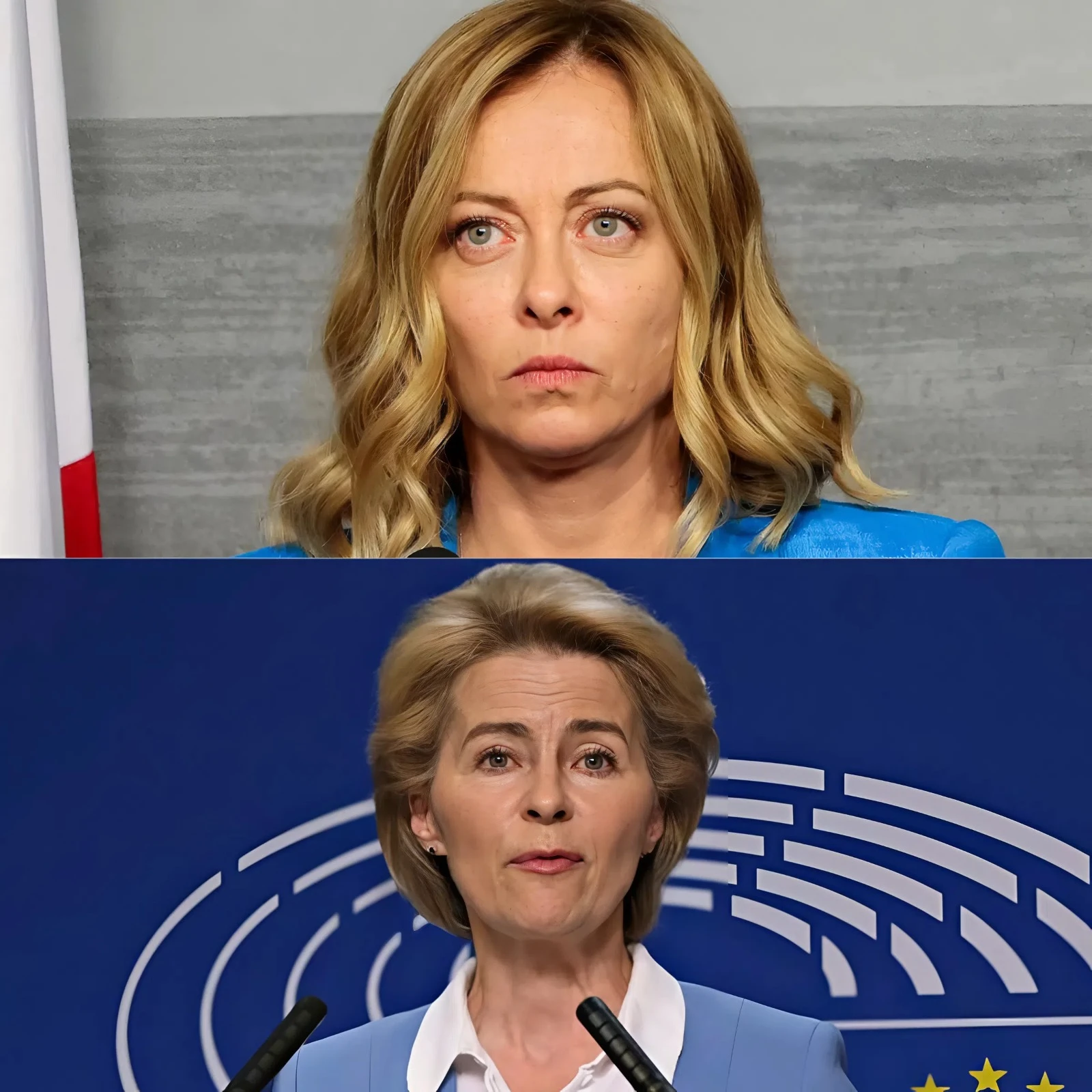
A political storm is sweeping across Europe after Giorgia Meloni openly challenged a controversial financial proposal associated with Ursula von der Leyen and the European Commission’s expanding authority.
What initially appeared to be a technical dispute over frozen Russian assets has rapidly transformed into a broader confrontation about sovereignty, institutional power, and the future direction of the European Union itself.
At the center of the controversy lies a proposed €210 billion framework involving the management and potential use of assets linked to Russia, a move framed by some officials as necessary.
Supporters argue that leveraging such funds could help stabilize economies affected by geopolitical tensions, while also demonstrating Europe’s ability to act decisively during moments of international crisis and uncertainty.
However, critics warn that the mechanisms behind the proposal raise serious legal and constitutional questions, particularly regarding how decisions of this magnitude should be approved within the European Union’s framework.
For Meloni, the issue is not only about financial strategy but about protecting the role of individual member states in shaping decisions that could have long-lasting consequences across the continent.
Her firm opposition has been interpreted by supporters as a defense of national sovereignty, reflecting growing concern among some governments about the centralization of power within Brussels institutions.
Others, however, view her stance as potentially disruptive, arguing that unity is essential during periods of geopolitical instability and that internal divisions could weaken Europe’s position on the global stage.
The debate has intensified as details surrounding the proposal continue to emerge, with legal experts examining whether existing treaties allow for such actions without unanimous consent from all member states involved.
Some analysts suggest that the controversy highlights long-standing tensions within the European Union, where the balance between collective decision making and national autonomy remains a persistent challenge.
The situation has also drawn attention to the evolving role of the European Commission, which has taken on increasing responsibility in coordinating responses to crises ranging from economic shocks to security concerns.
While many see this as a necessary evolution, others argue that it risks blurring the lines of accountability, raising questions about who ultimately holds decision-making power in critical situations.
Meloni’s position has resonated with several political figures across Europe who share concerns about institutional overreach, leading to discussions about potential alliances aimed at redefining governance structures.
These developments suggest that the current dispute could extend beyond a single policy disagreement, potentially influencing broader debates about the future architecture of the European Union.
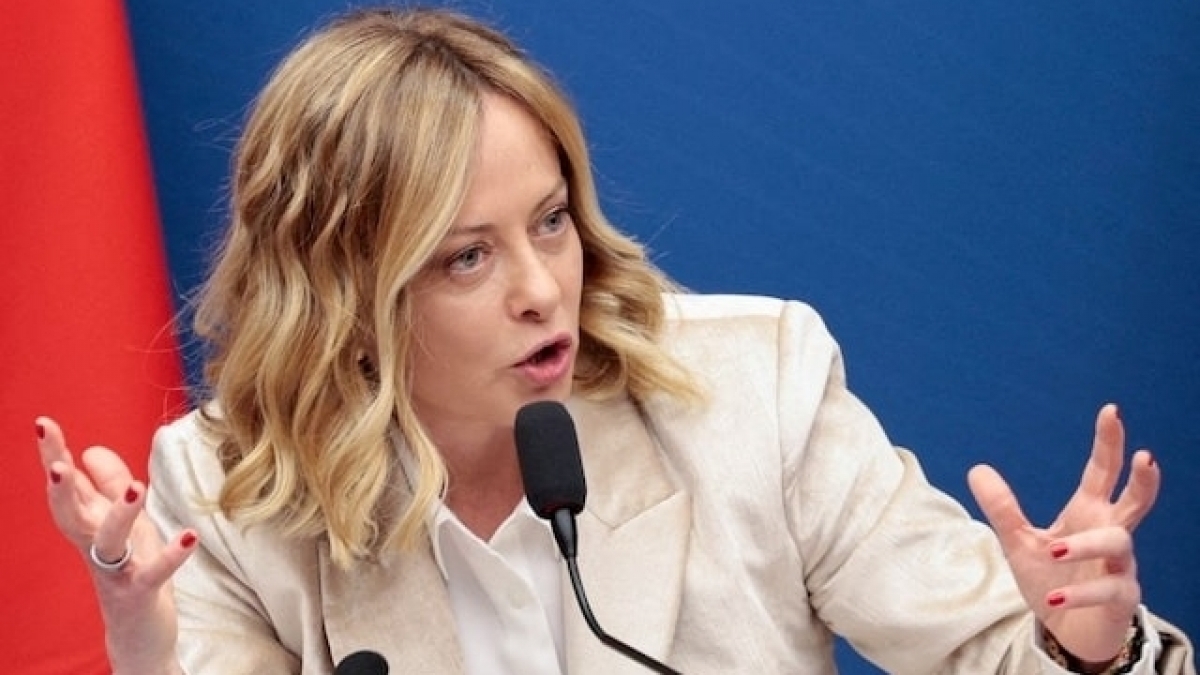
Meanwhile, financial markets are closely monitoring the situation, aware that uncertainty surrounding such a significant proposal could have ripple effects across investment strategies and economic stability.
Investors and policymakers alike are seeking clarity, recognizing that decisions made in this context could set precedents for how similar situations are handled in the future.
The legal dimension of the debate is particularly complex, involving questions about treaty interpretation, emergency powers, and the limits of executive authority within the European Union’s institutional framework.
Some legal scholars argue that extraordinary circumstances may justify unconventional measures, while others insist that bypassing established procedures could undermine the rule of law.
Public opinion across Europe appears divided, with some citizens supporting stronger centralized action to address global challenges, while others express concern about losing democratic control at the national level.
This divide reflects broader societal trends, where globalization and regional integration are increasingly being reassessed in light of recent economic and political developments worldwide.
In Italy, Meloni’s stance has sparked intense domestic debate, with supporters praising her willingness to confront powerful institutions and critics questioning the potential economic implications of her opposition.
The government has emphasized that its position is not about rejecting cooperation but about ensuring that decisions are made transparently and with full participation from all member states involved.
Back in Brussels, officials have defended the proposal, arguing that it operates within legal boundaries and is designed to address urgent challenges that require coordinated action across the European Union.
They maintain that the initiative reflects a pragmatic approach to complex geopolitical realities, balancing legal considerations with the need for timely and effective responses to evolving situations globally.
Despite these assurances, skepticism remains, particularly among those who fear that temporary measures could evolve into permanent shifts in how authority is exercised within the European Union structure.
This concern is amplified by historical examples where emergency powers introduced during crises were later expanded or normalized beyond their original scope and intent over time.
As tensions rise, discussions about potential legal challenges are gaining momentum, with some governments reportedly considering formal avenues to contest the proposal if it moves forward.
Such actions could lead to significant legal battles, potentially involving high-level courts and setting important precedents for the interpretation of European Union law in future cases.
The geopolitical context adds another layer of complexity, as Europe navigates its relationship with global powers while attempting to maintain internal cohesion and strategic independence.
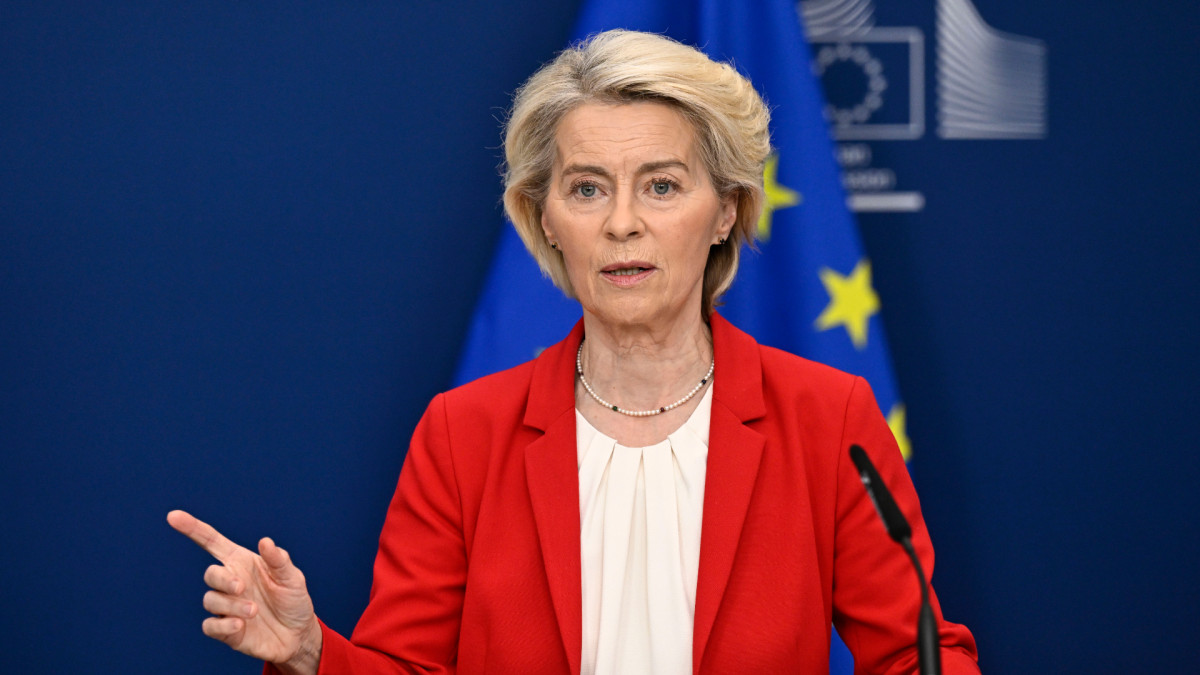
Decisions regarding Russian assets, in particular, carry significant implications, influencing not only economic policy but also diplomatic relations and international legal standards.
For many observers, the current situation underscores the delicate balance that Europe must maintain between unity and diversity, cooperation and autonomy, integration and sovereignty in a rapidly changing world.
It also highlights the challenges of governing a multi-national entity where differing priorities, perspectives, and political cultures must be reconciled within a shared institutional framework.
As the debate continues, the outcome remains uncertain, with multiple scenarios possible depending on how negotiations, legal interpretations, and political dynamics evolve in the coming weeks and months.
Some analysts believe that a compromise could emerge, incorporating elements of both centralized coordination and national oversight to address the concerns raised by various stakeholders involved.
Others warn that failure to reach consensus could deepen divisions, potentially weakening the European Union’s ability to respond effectively to future crises and challenges collectively.
In this high-stakes environment, leadership will play a crucial role, as political figures navigate competing pressures while attempting to maintain stability and public confidence in their decisions.
The coming period is likely to be decisive, not only for the specific proposal under discussion but for the broader trajectory of European governance and institutional development moving forward.
Ultimately, the question facing Europe is not just about one financial plan, but about the principles that will guide its evolution in an increasingly complex and interconnected global landscape