

The comments have added fuel to an ongoing political debate regarding the Labour government’s approach to national security and defense funding.
Speaking in a recent television interview, Streeting prompted viewers to reflect on their practical preparations for emergencies.
“I think we do need to have a national conversation about our resilience as a country and our preparedness,” he stated.
Before addressing the hypothetical scenario of the country being under attack, Streeting pointed to more immediate domestic vulnerabilities, noting a summer of wildfires and the approaching winter weather.

“I’d ask people watching actually on a really practical level, in the event you have a power cut, would you know where you keep a torch?
Have you even got matches or candles?” Streeting asked.
While presented as practical advice for civil contingencies, the remarks were quickly seized upon by critics who view the call for household readiness—particularly amid warnings from defense planners about potential geopolitical conflicts by the end of the decade—as incongruous with the government’s current military funding strategy.
The timing of Streeting’s comments has amplified scrutiny of the government’s defense priorities.
They follow closely on the heels of Prime Minister Andy Burnham’s controversial statement during Prime Minister’s Questions, where he declared that national security funding “can’t come at the expense of social security.”
Burnham committed to reaching a defense spending target of 3.5% of GDP by 2035, a timeline critics argue is too slow given the current state of the armed forces and escalating global threats.
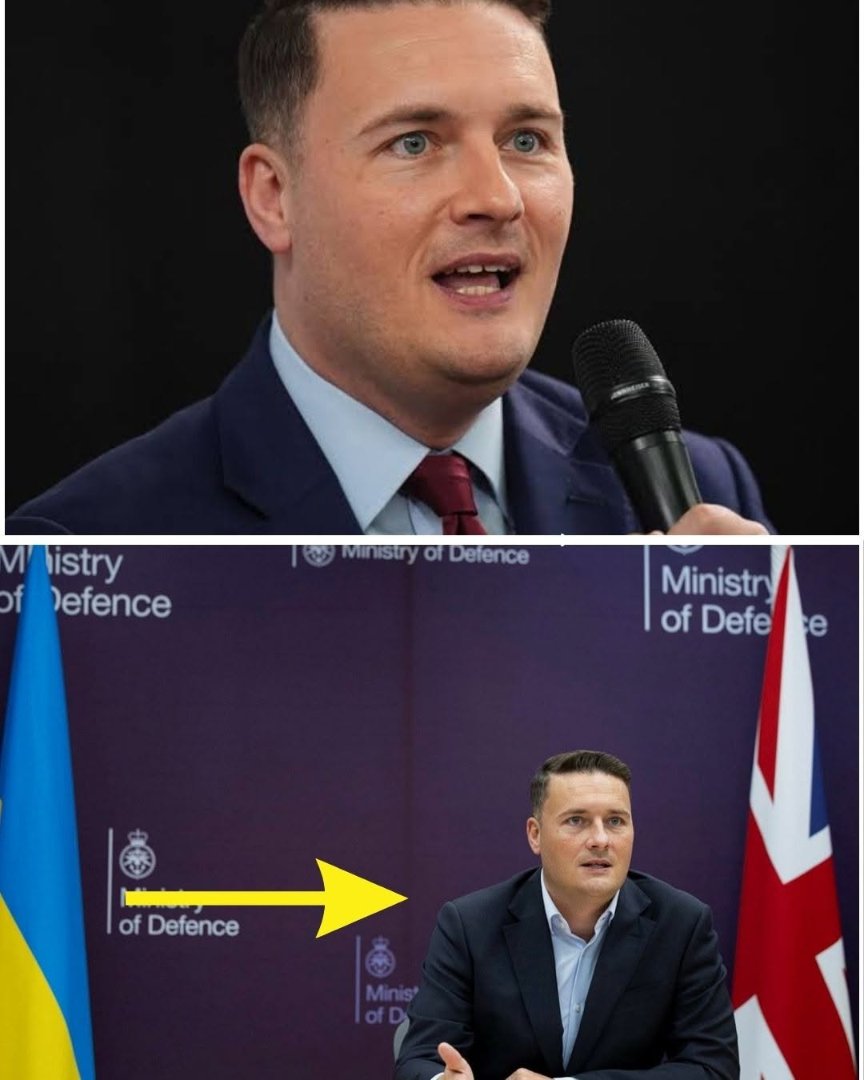
Critics highlight a perceived contradiction: ministers are warning the public about increasing global threats while simultaneously delaying immediate, large-scale increases to the UK’s defense budget.
Commentators have pointed out that the regular British Army currently sits at around 71,000 personnel—its smallest size in over two centuries—and that certain military training programs have faced recent funding constraints.
Furthermore, the domestic defense debate is occurring alongside continued financial commitments abroad.
Streeting used a separate appearance to announce an additional £100 million in UK funding for Ukrainian air defense ahead of the winter season.
“Ukraine’s front line is our front line for freedom and democracy,” Streeting declared, emphasizing that supporting Ukraine is in the UK’s “own national self-interest” and collective security.
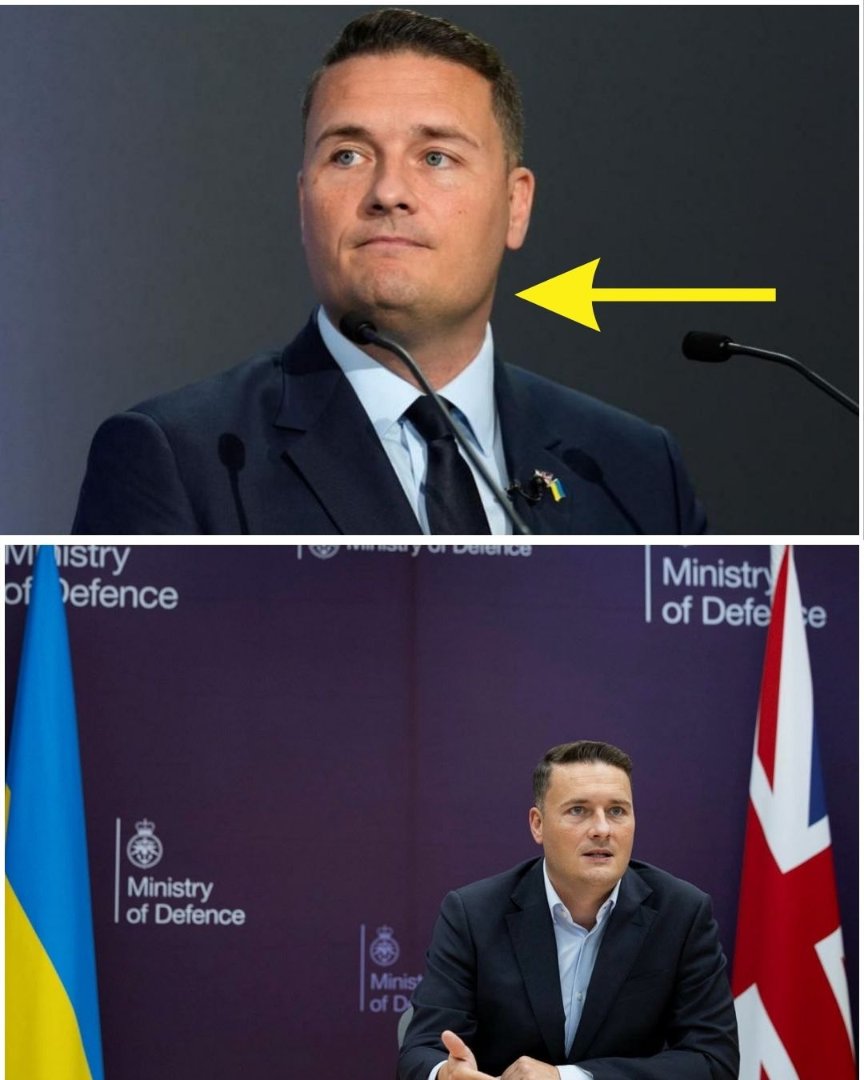
However, for domestic critics, the juxtaposition of allocating significant funds to foreign military aid while domestic armed forces face constraints—and citizens are advised to locate their flashlights—highlights a disjointed national security strategy.
As the government prepares for its upcoming spending review, the tension between civil resilience, welfare spending, foreign aid, and domestic military readiness continues to dominate the political landscape.
PANIC WARNING: ARE WE UNDER THREAT?! CABINET MINISTER WARNS BRITISH PUBLIC TO PREPARE FOR EMERGENCIES AS GOVERNMENT LAUNCHES SHOCK NEW SURVIVAL CAMPAIGN!
Britain has been plunged into a major national debate after senior government ministers urged households to prepare for emergencies by keeping essential supplies at home, including bottled water, tinned food, torches, batteries, and battery-powered radios.
The announcement has raised an uncomfortable question for millions of people: what does the government know about the risks facing Britain, and why is it suddenly placing so much emphasis on emergency preparedness?
The issue attracted enormous attention after Defence Secretary Wes Streeting appeared on BBC Question Time on 22 October 2026 to defend the government’s new Be Ready campaign.
Facing questions from members of the audience, Streeting insisted that the public should be alert but not alarmed.
He explained that the government was not responding to one specific impending attack but wanted British households to become better prepared for potential emergencies.
Nevertheless, his comments have reignited discussions about cyberattacks, hostile foreign states, infrastructure failures, extreme weather, and the possibility of major disruptions to everyday life.
For many viewers, the message was a reminder that modern national security threats are no longer limited to traditional military conflicts.
THE GOVERNMENT’S NEW WARNING: BE READY FOR THREE DAYS
The government’s Be Ready campaign asks households to consider how they would manage if essential services were temporarily disrupted.
The central recommendation is that people should have enough basic supplies to manage for approximately 72 hours.
This does not mean the government expects Britain to experience an imminent national disaster.
Instead, officials argue that households should be able to cope independently for a short period while emergency services concentrate on helping those most vulnerable.
The campaign covers several potential emergencies, including severe weather, flooding, power cuts, cyberattacks, and disruption to essential infrastructure.
It also recognises that modern society depends heavily on digital systems.
If electricity, telecommunications, banking services, or water supplies are interrupted, everyday activities could become considerably more difficult.
The government believes that basic preparation can help families respond more effectively.
WHY ARE MINISTERS TALKING ABOUT TORCHES AND CANDLES?
One particularly striking aspect of the discussion concerns something most British households rarely think about: having reliable lighting without electricity.
During a major power failure, ordinary household lighting may stop working.
Mobile phones can provide temporary illumination, but relying on them continuously could quickly drain their batteries.
The government therefore recommends keeping a battery-powered or wind-up torch, together with spare batteries.
A battery-powered or wind-up radio is also recommended because internet and mobile communications may become unavailable during certain emergencies.
Candles can provide an additional source of light, although government guidance emphasises that torches are safer.
The message is relatively straightforward: households should not assume that electricity and digital communications will always be available.
It is a practical precaution rather than proof that a major blackout is about to happen.
WES STREETING FACES QUESTIONS ABOUT POSSIBLE THREATS
During his BBC Question Time appearance, Streeting faced criticism from an audience member who questioned whether the government was creating unnecessary public anxiety.
The concern was understandable.
Telling millions of people to prepare emergency supplies can sound alarming, particularly when the country is already dealing with international tensions and economic uncertainty.
Streeting defended the campaign by explaining that other European countries had already developed more extensive public preparedness arrangements.
He argued that Britain needed to catch up rather than wait until an emergency exposed weaknesses in its preparations.
He also pointed out that the advice could prove useful during relatively ordinary incidents, including power cuts or disruptions affecting local shops.
His central message was that preparedness should become a normal part of household planning.
The government wants people to understand potential risks without assuming that the worst-case scenario is about to happen.
RUSSIA, CYBERATTACKS AND THE NEW SECURITY ENVIRONMENT
One reason emergency preparedness has become more prominent is the changing international security environment.
Russia’s invasion of Ukraine has demonstrated how modern conflicts can affect countries far beyond the immediate battlefield.
Cyber operations, sabotage, attacks on infrastructure, and disruption to supply chains have become important concerns for governments across Europe.
Britain has also warned repeatedly about hostile state activity and the need to protect critical national infrastructure.
Potential targets include electricity networks, communications systems, transport infrastructure, financial institutions, and essential public services.
A serious cyber incident could create disruption even without a conventional military attack.
For example, problems affecting digital payment systems could make it difficult for people to purchase essential goods.
A communications outage could prevent families from receiving important updates.
These possibilities help explain why ministers are encouraging households to maintain basic emergency supplies.
However, the government has not announced that a specific attack against Britain is imminent.
WHAT SHOULD BRITISH FAMILIES KEEP AT HOME?
The official Be Ready guidance recommends preparing a small collection of everyday essentials.
The objective is not to build an expensive survival bunker or purchase enormous quantities of supplies.
Instead, households should gradually assemble items that would be useful during a temporary emergency.
Important recommendations include:
- Bottled water, with approximately three litres per person per day for drinking over three days.
- Long-life food that does not require refrigeration or cooking.
- A torch and spare batteries.
- A battery-powered or wind-up radio.
- A charged power bank for mobile phones.
- Essential prescription medicines and basic first-aid supplies.
- Warm clothing, blankets, and sleeping bags.
- Hand sanitiser and basic hygiene products.
- Some cash in case electronic payments become unavailable.
- Copies of important documents and emergency contact information.
Families with young children, elderly relatives, pets, or people requiring medical equipment may need additional supplies.
The government also recommends considering individual circumstances rather than purchasing unnecessary products.
The idea is to build preparedness gradually through ordinary shopping.
BRITAIN’S DEPENDENCE ON DIGITAL TECHNOLOGY COULD BECOME A WEAKNESS
Another important part of this discussion concerns Britain’s dependence on digital technology.
Millions of people now use smartphones for banking, shopping, communication, navigation, and access to essential information.
Businesses depend on digital payment systems and internet connectivity to operate.
Public services also rely on computer networks and communications infrastructure.
These systems provide enormous benefits, but they can create vulnerabilities when something goes wrong.
A significant outage could affect multiple services simultaneously.
This is why the government’s guidance includes physical cash, printed documents, battery-powered radios, and written emergency contact details.
These may appear old-fashioned, but they can provide alternatives when digital systems are unavailable.
The lesson is not that technology should be abandoned.
It is that households and businesses should have backup arrangements when essential technology fails.
ARE BRITISH SUPERMARKETS PREPARING FOR A CRISIS?
The campaign has also generated questions about food availability and household supplies.
Following the government’s announcement, several retailers reported increased demand for emergency products.
Sales of torches, power banks, radios, bottled water, and tinned food increased, according to reports from retailers.
Maplin reported a particularly sharp rise in torch sales, while some specialist preparedness retailers experienced substantial increases in demand.
However, this does not mean Britain is running out of food or that supermarkets are preparing for an imminent national emergency.
Retailers have stressed that general food supplies remain strong.
The government is also not instructing people to empty supermarket shelves.
In fact, the guidance encourages households to build their supplies gradually and purchase food they would normally eat.
Panic buying would be counterproductive because it could create unnecessary shortages and make essential products harder to obtain for vulnerable people.
WHY EUROPEAN COUNTRIES TAKE EMERGENCY PREPAREDNESS SERIOUSLY
Britain is not alone in encouraging its population to prepare for emergencies.
Several European countries have developed public guidance covering prolonged power failures, military threats, severe weather, and disruptions to essential services.
Sweden and Finland, for example, have longstanding traditions of civilian preparedness.
Their governments encourage households to understand how they would respond if normal services were interrupted.
Other European countries have also strengthened public information campaigns following Russia’s invasion of Ukraine.
These initiatives reflect a broader recognition that national resilience involves more than the armed forces and emergency services.
Ordinary citizens, businesses, local authorities, and community organisations also have important roles.
Britain’s Be Ready campaign is intended to strengthen that wider approach.
POLITICAL REACTIONS: RESPONSIBILITY OR UNNECESSARY FEAR?
The campaign has inevitably become a political talking point.
Supporters argue that preparing households for emergencies is a sensible responsibility for any government.
They believe that people should not wait until a crisis occurs before thinking about water, food, medicine, and communication.
Critics, however, have questioned whether the government has communicated the risks clearly enough.
They worry that dramatic warnings about hostile states and potential attacks could generate unnecessary anxiety.
Opposition politicians have also argued that ministers should concentrate on strengthening Britain’s infrastructure rather than placing too much responsibility on individual households.
These disagreements highlight an important distinction.
Emergency preparedness should not replace government responsibility.
The state must continue investing in resilient infrastructure, effective emergency services, national security, and reliable public communications.
Household preparation is intended to complement those responsibilities, not replace them.
CONCLUSION: BRITAIN IS BEING TOLD TO PREPARE, NOT TO PANIC
The government’s new emergency preparedness campaign has sparked a significant national conversation about Britain’s vulnerability to unexpected disruptions.
Wes Streeting’s appearance on BBC Question Time brought the issue into the public spotlight, particularly after he defended the recommendation that households should prepare for three days without normal access to essential services.
The potential risks include severe weather, flooding, cyberattacks, power failures, and wider infrastructure disruption.
Although international security concerns form part of the discussion, ministers have not identified a specific imminent attack that requires the public to panic.
The message is ultimately about resilience.
Keeping drinking water, long-life food, essential medicines, a torch, spare batteries, and a radio at home is a relatively straightforward way to prepare for unexpected situations.
Britain’s government wants households to think ahead rather than discover they are unprepared when something goes wrong.
The bigger question is whether the country is doing enough to protect the infrastructure on which millions of people depend.
Because while individual families can prepare for a few days of disruption, protecting Britain’s electricity networks, communications systems, transport infrastructure, and essential services remains a responsibility that government cannot avoid.
The message from Westminster is clear: stay informed, prepare sensibly, and do not panic.