

The conflict centers on a disagreement between senior party figures over the timeline for foreign nationals to secure British citizenship.
According to political commentators and emerging reports, tensions flared after it was revealed that Home Secretary Shabana Mahmood is proposing plans to retrospectively double the waiting period for foreign workers to gain permanent residence and naturalization, extending the timeline from the current five years to ten years.
Advertisement
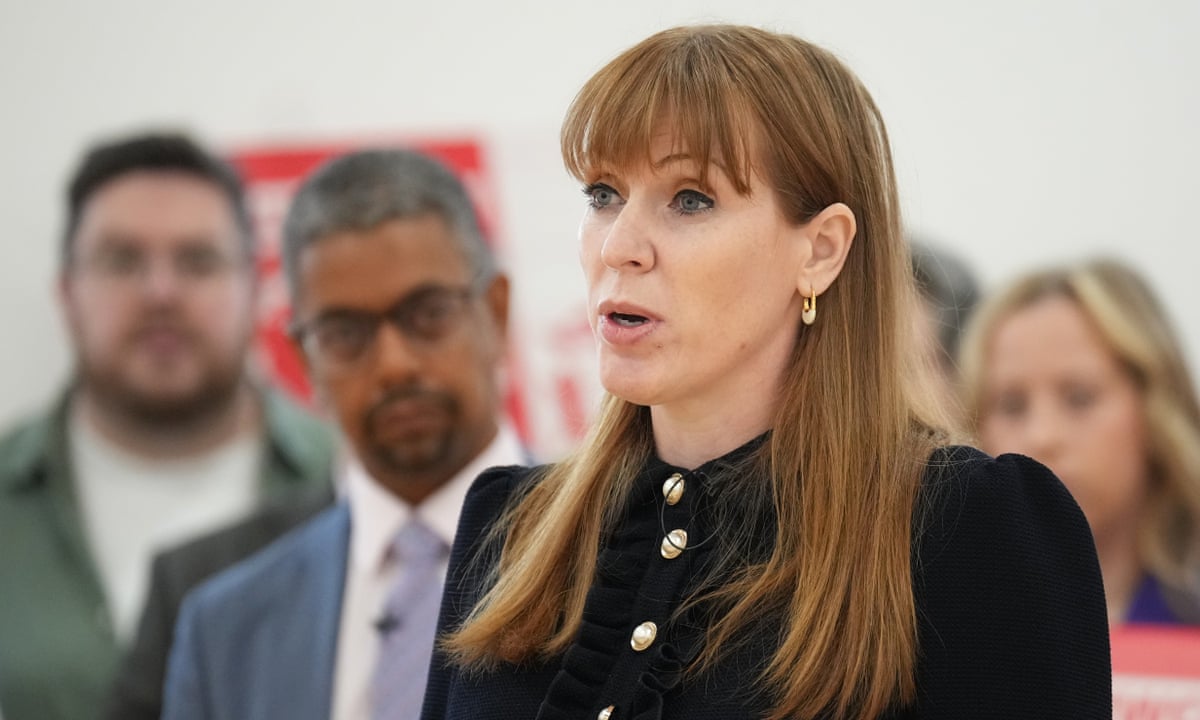
Deputy Leader Angela Rayner has strongly pushed back against Mahmood’s proposal, reportedly describing the plan to double the waiting time as “un-British” and “very disruptive” .
Rayner has expressed concerns over the fairness of the measure, advocating that migrants and foreign workers who come to the UK should have a more accessible and quicker path to citizenship rather than facing extended delays .
The internal debate highlights a broader ideological divide within the Labour Party regarding immigration strategy.
Proponents of Mahmood’s proposed 10-year timeline argue that it represents a necessary, tougher approach to migration management, responding to what they perceive as public demand for stricter controls .
Critics aligned with this perspective suggest that maintaining the shorter five-year path is politically motivated to quickly naturalize individuals who may subsequently vote for the Labour Party in future general elections.
They also argue that the focus should be on training and hiring domestic workers for key sectors like healthcare and social care rather than relying on foreign labor .
Conversely, Rayner’s faction within the party argues that heavily restricting the path to citizenship for contributing foreign workers undermines British values and disrupts the lives of those already working within the UK.
Advertisement

The public disagreement threatens to overshadow the Labour Party conference, where leadership traditionally aims to project unity and showcase policy successes .
Political analysts note that this rift echoes ongoing factionalism within the party, contrasting those pushing for stricter measures on issues like immigration and domestic energy with more progressive voices .
Separately, addressing widespread rumors of an impending early general election in the coming spring or November, senior Labour figure Andy Burnham explicitly shut down the speculation.
In an interview yesterday, Burnham stated he wanted to “knock that dead on its head,” confirming there are no plans for an early contest and that the next general election will take place as scheduled in 2029 .
Advertisement
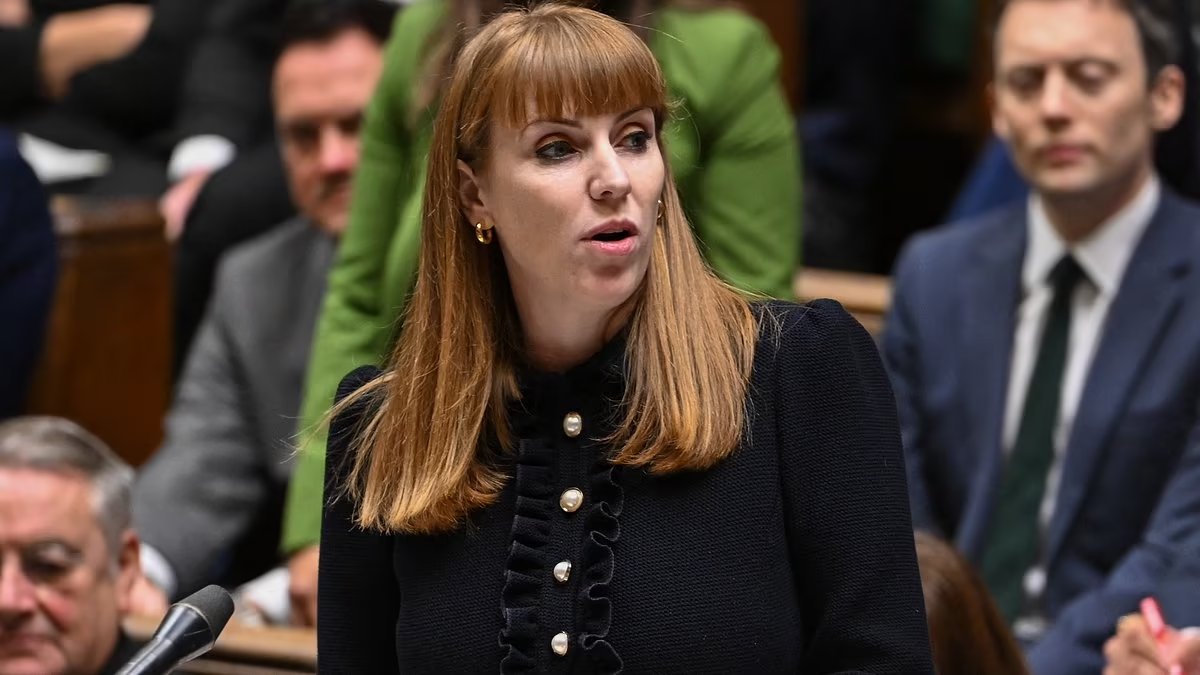
The Labour Party has yet to release an official joint statement resolving the public disagreement over the citizenship timeline proposal.
LABOUR CIVIL WAR EXPLODES AT CONFERENCE! SHABANA MAHMOOD FACES BACKLASH OVER PLAN TO DOUBLE UK CITIZENSHIP WAITING TIMES FROM FIVE TO TEN YEARS!
Britain’s immigration debate has erupted into another major political confrontation after Home Secretary Shabana Mahmood reportedly proposed significantly tougher rules for migrants seeking to settle permanently in the United Kingdom. The controversial proposal, which could increase the standard waiting period for citizenship from five years to ten years for certain foreign workers, has raised serious questions about Labour’s immigration strategy and the future of Britain’s approach to legal migration.
The announcement has the potential to create deep divisions within the Labour Party. While some politicians and supporters believe stricter immigration rules are necessary to restore public confidence, others are concerned that extending the route to citizenship could punish people who have spent years working, paying taxes, and building their lives in Britain.
The controversy is particularly sensitive because Labour has traditionally presented itself as a party committed to fairness, equal opportunities, and protecting workers’ rights. Now, the government faces the difficult task of explaining why people who have legally contributed to British society might have to wait considerably longer before becoming citizens.
SHABANA MAHMOOD’S TOUGHER IMMIGRATION MESSAGE
Shabana Mahmood has become one of the most prominent figures in the government’s efforts to reshape Britain’s immigration system.
Her approach reflects growing political pressure to reduce migration, strengthen immigration enforcement, and establish clearer expectations for people seeking permanent settlement.
The proposed increase from five years to ten years would represent a significant change for affected migrants.
Under the existing system, many people on eligible work visas can generally apply for indefinite leave to remain after completing five years of qualifying residence, provided they meet the relevant requirements.
Indefinite leave to remain is not the same as British citizenship. It gives an individual permission to live and work in the UK without a time limit.
Citizenship normally requires an additional application and satisfaction of further legal conditions.
Any proposal to extend the settlement qualifying period would therefore have important consequences for migrants planning their long-term future in Britain.
WHY DOES LABOUR WANT TO CHANGE THE RULES?
The government faces increasing pressure over immigration figures, housing shortages, public-service capacity, and the cost of supporting people who need assistance.
Ministers argue that the immigration system must be sustainable and that permanent settlement should involve clear expectations and responsibilities.
A longer qualifying period could be presented as a way to encourage migrants to demonstrate sustained economic and social contributions before receiving permanent status.
Supporters of stricter rules also argue that immigration policy must maintain public confidence.
They believe that people who move to Britain should understand that permanent settlement is a significant privilege accompanied by legal responsibilities.
However, critics question whether extending the waiting period would actually address the main pressures facing the country.
They argue that immigration policy must distinguish between people who follow the rules, work legally, and contribute to the economy and those who enter or remain in Britain unlawfully.
ANGER AND DIVISIONS WITHIN THE LABOUR PARTY
Perhaps the biggest political challenge for Labour is the possibility of internal disagreement.
The party includes MPs with very different views about immigration.
Some believe the government must adopt a considerably tougher approach to demonstrate that it understands public concerns.
Others worry that increasingly restrictive policies could damage Britain’s international reputation and undermine the contributions of migrant workers.
There are also concerns about the impact on industries that depend heavily on overseas recruitment.
Healthcare, social care, hospitality, construction, and agriculture all employ significant numbers of foreign workers.
If settlement becomes more difficult, employers could face additional recruitment and retention challenges.
Labour therefore faces a complicated balancing act: demonstrating control over immigration while maintaining an economy that depends on a skilled and reliable workforce.
FOREIGN WORKERS COULD FACE YEARS OF UNCERTAINTY
For migrants already living and working in Britain, the possibility of a ten-year settlement route could create enormous uncertainty.
Many foreign workers arrive with carefully planned expectations.
They may accept employment, pay substantial visa fees, rent accommodation, bring family members, and invest years of their lives in the country.
Their decisions are often based on the immigration rules in force when they apply.
Changing those rules could affect their financial planning, family arrangements, and long-term security.
For someone hoping to settle after five years, an additional five-year wait could mean postponing major life decisions.
It could also affect families whose children are growing up in Britain and whose parents want certainty about their future.
The government would therefore need to explain whether existing visa holders would be protected by transitional arrangements or whether new requirements could affect people already working towards settlement.
This question could become one of the most controversial aspects of any reform.
BRITAIN’S HEALTHCARE AND CARE SECTORS COULD FEEL THE IMPACT
Another important concern involves the British labour market.
The NHS and social care sector have historically relied on international recruitment to fill vacancies.
Foreign workers contribute as doctors, nurses, care assistants, researchers, technicians, and other essential professionals.
A longer route to permanent settlement could make Britain less attractive to some international applicants.
Other countries compete for the same skilled workers, often offering different immigration arrangements and employment opportunities.
Employers may therefore worry that additional uncertainty could make recruitment more difficult.
Supporters of reform counter that Britain should reduce its reliance on overseas labour by investing in domestic training and improving wages and working conditions.
That argument has considerable political appeal, but building a stronger domestic workforce takes time.
The government must therefore consider the immediate consequences for employers alongside its longer-term immigration objectives.
THE DIFFERENCE BETWEEN SETTLEMENT AND BRITISH CITIZENSHIP
One important distinction has become confused in the public debate.
Indefinite leave to remain allows eligible migrants to live in Britain permanently without needing to renew an ordinary time-limited immigration visa.
British citizenship provides additional rights, including the right to hold a British passport and participate fully in national democratic life.
The two processes are connected but are not identical.
Under the traditional rules, many migrants become eligible for indefinite leave to remain after five years on qualifying routes.
People who obtain indefinite leave to remain can generally apply for naturalisation after holding that status for twelve months, subject to the relevant requirements. Different rules apply to certain applicants, including spouses of British citizens.
Consequently, a proposal to change the qualifying period for settlement could have a much broader effect than simply adding five years to a citizenship application.
It could delay the point at which eligible migrants obtain permanent immigration status in the first place.
WHAT ABOUT FAMILIES AND CHILDREN?
The potential impact on families is another major concern.
Many foreign workers move to Britain with spouses and children, hoping to establish stable lives.
Children may attend British schools, develop friendships, and become closely connected to their local communities.
Parents may also make long-term financial commitments, including renting or purchasing property.
If settlement becomes more difficult, families could face additional uncertainty about their immigration status.
Questions could also arise about dependants, family applications, and whether different members of the same household would be affected in the same way.
These issues require careful consideration before any major changes are implemented.
A successful immigration system must provide clear rules that families can understand and plan around.
COULD THE PROPOSAL HELP LABOUR WIN BACK VOTERS?
There is also a significant political calculation behind the immigration debate.
Immigration has become one of the most important issues influencing voting behaviour across Britain.
Reform UK, led by Nigel Farage, has repeatedly argued that traditional parties have failed to control immigration effectively.
Labour faces pressure to demonstrate that it can respond to public concerns without simply adopting the policies of its political opponents.
A tougher settlement system could help ministers show that they are prepared to make significant changes.
However, there is a risk that restrictive policies could alienate sections of Labour’s traditional support base.
The party must balance the concerns of voters demanding lower migration with those who believe migrants should be treated fairly when they have followed the rules and contributed to British society.
This is not an easy political calculation.
WHAT HAPPENS NEXT?
The government’s next steps will be crucial.
Any major changes to settlement rules would require detailed policy proposals, clear implementation arrangements, and an explanation of how existing migrants would be affected.
Important questions remain about eligibility, exemptions, transitional protection, family members, and the treatment of people already approaching the five-year qualifying period.
Employers, immigration lawyers, migrant organisations, and political representatives are likely to examine the proposals closely.
The government will also need to explain whether the changes are intended to apply to all qualifying immigration routes or only particular categories of foreign workers.
Until the final rules are published and implemented, the precise impact should not be treated as settled.
CONCLUSION: LABOUR FACES A MAJOR TEST OVER IMMIGRATION REFORM
Shabana Mahmood’s reported proposal to extend the settlement waiting period from five to ten years has opened another difficult chapter in Britain’s immigration debate.
For supporters, tougher requirements could help restore confidence in the immigration system and ensure that permanent settlement involves long-term commitment.
For critics, the proposal risks creating unnecessary uncertainty for people who have legally worked, paid taxes, supported public services, and built families in Britain.
The consequences could extend across the NHS, social care, businesses, universities, and local communities.
For Labour, the challenge is not simply to introduce tougher immigration rules. It is to demonstrate that those rules are fair, practical, economically sustainable, and consistent with the country’s wider interests.
The coming debate could reveal just how divided the party is over the future of migration policy.
And one question will remain at the centre of the controversy: should foreign workers who have spent years contributing to Britain really have to wait twice as long before securing permanent settlement?
That is the question Shabana Mahmood and the Labour government will have to answer.