

The debate has resurfaced amidst escalating tensions between NATO and Russia, with European security officials publicly discussing preparedness for potential conflicts.
The UK military has reportedly been exploring new recruitment strategies, and discussions have emerged regarding extending the age limit for the reserve list of veterans from 55 to 65.
Advertisement
The issue was thrust to the forefront following comments made by prominent Conservative figure Jacob Rees-Mogg.
In a recent video, Rees-Mogg suggested that the UK may face a war in the coming years requiring significant sacrifices.
“We may even face circumstances where people have to die to save their country, as they did in the First and Second World Wars,” Rees-Mogg stated.
He argued that a willingness to fight and perform one’s duty is essential for national survival, drawing a historical parallel to the fall of ancient Rome, which he attributed to a reliance on mercenaries when citizens were no longer willing to fight.
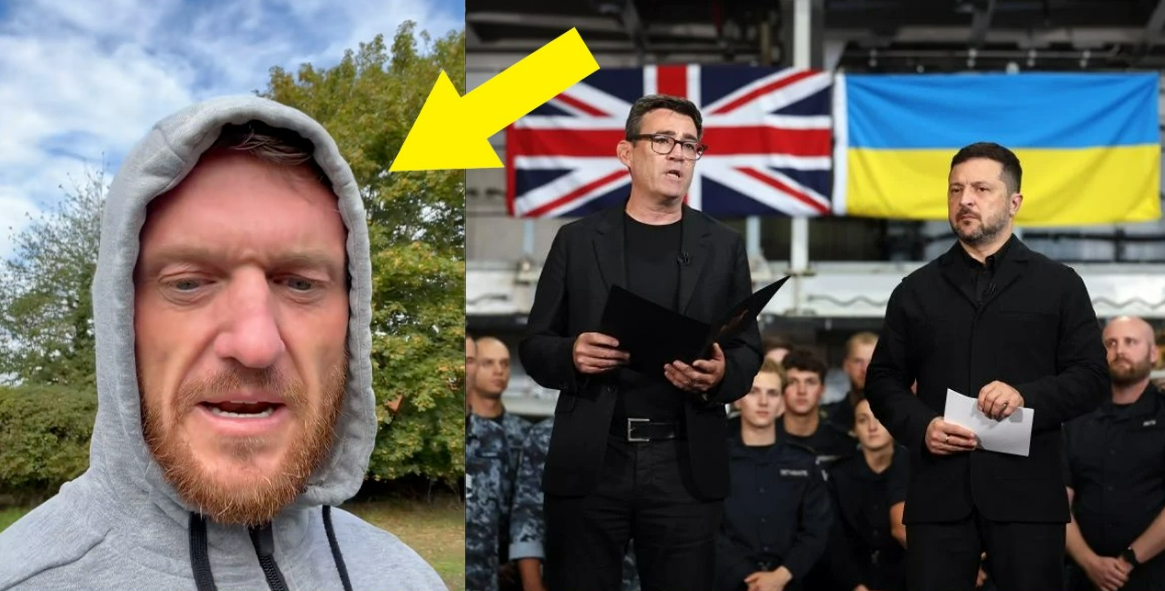
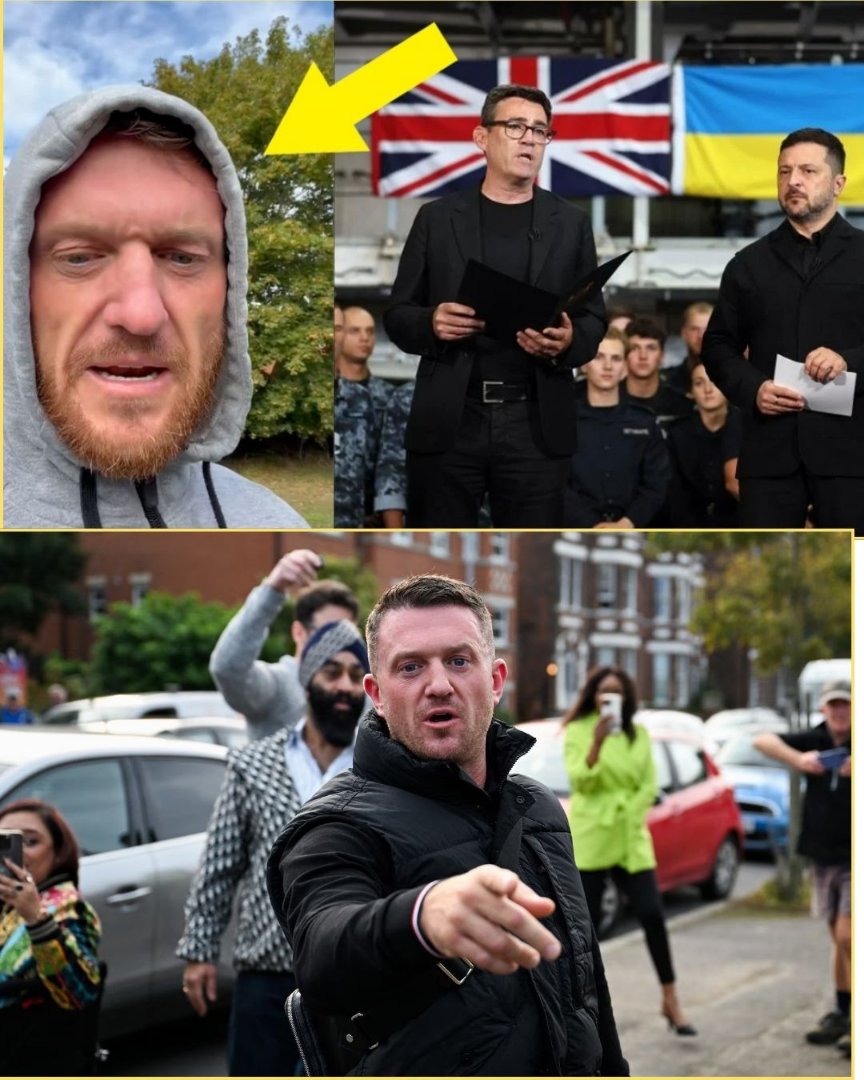
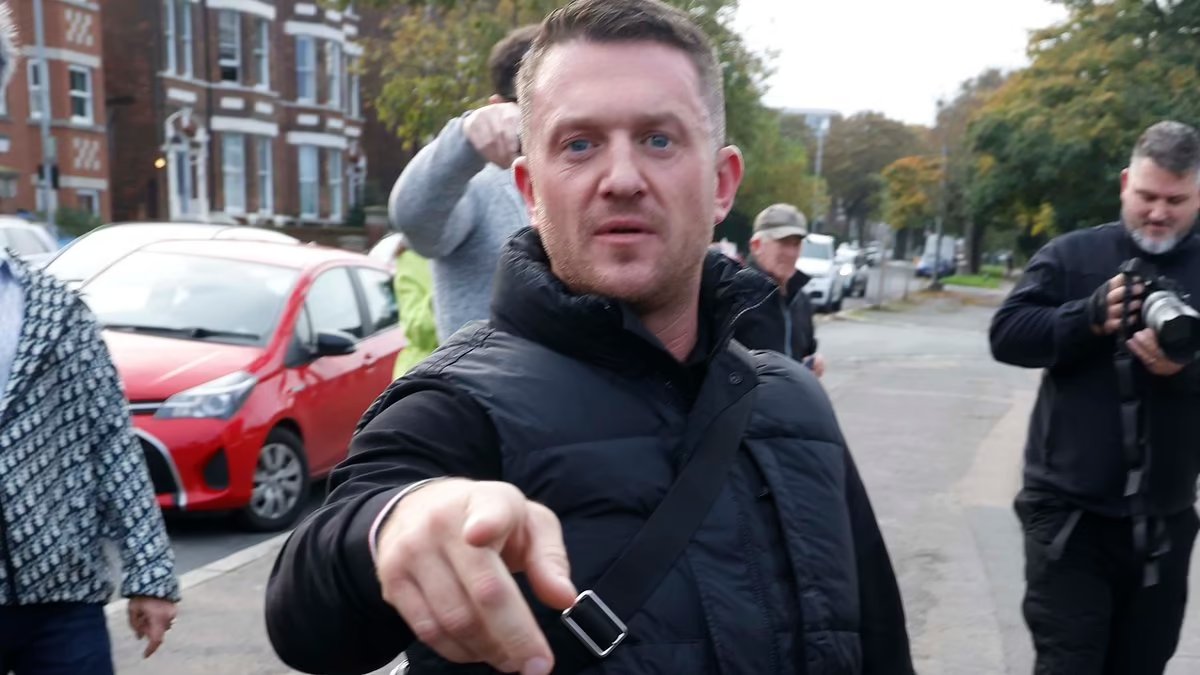
Rees-Mogg’s comments were met with immediate and explosive condemnation from right-wing activist Tommy Robinson.
In a video response, Robinson delivered an expletive-laden tirade against Rees-Mogg and the broader political establishment.
Advertisement
Robinson vehemently rejected the idea that British men should fight a war against Russia on behalf of the current government.
“We ain’t fighting Russians, we’ll be fighting you, the establishment. That’s who people are willing to fight,” Robinson declared.
Advertisement
He argued that the government has eroded national pride and alienated the working class, specifically criticizing immigration policies.
“You think you’re going to send our sons to die for national pride when anytime we’ve showed national pride you’ve called us racists, you’ve imported the third world into our country who won’t have to fight,” Robinson argued.
He framed the potential conflict with Russia as a “globalist war” and stated that British men have “0% chance” of signing up to fight for the Labour government.
The sentiment was echoed by Restore Britain leader Rupert Lowe, who also sharply criticized the concept of conscription under the current political climate.
Lowe argued that politicians pushing for conscription in foreign wars should be “forced to the front of the queue.”
Lowe questioned why young white men should be expected to fight for a country where they feel “insulted, mocked, discriminated against,” and treated like “second-class citizens purely because of their skin color.”
He accused the British state of being “anti-white racist” and argued that working-class men have seen their communities transformed and are labeled bigots if they complain.
“I want a Britain that millions of young British men would be proud to defend and even die for if it came to [it].
We sadly are an awful long way from that,” Lowe stated.
Advertisement
The fierce backlash highlights a profound disconnect between the political establishment’s discussions of national defense and a significant segment of the electorate that feels deeply alienated and hostile toward the current state of the nation.
The government has not formally announced any plans to reinstate conscription.
UK CONSCRIPTION DEBATE HEATS UP — TOMMY ROBINSON & RUPERT LOWE SPEAK OUT! BRITAIN DIVIDED OVER MILITARY SERVICE AND THE FUTURE OF NATIONAL DEFENCE!
Britain is facing another heated political debate as questions about military recruitment, national security, and the possibility of compulsory military service attract growing public attention. With international tensions continuing to dominate headlines and concerns about Britain’s defence capabilities increasing, the question of whether the country should introduce conscription has become an increasingly controversial subject.
Among the voices attracting attention are political activist Tommy Robinson and politician Rupert Lowe, both associated with outspoken positions on national identity, immigration, and Britain’s future.
Their involvement has added another dimension to the debate, which is no longer restricted to military experts and politicians. It has become a wider discussion about national responsibility, individual freedom, patriotism, and the obligations citizens should have towards their country.
But does Britain really need compulsory military service? And would young people accept such a dramatic change?
WHY IS BRITAIN DISCUSSING CONSCRIPTION AGAIN?
The debate comes at a time when European security has become increasingly uncertain.
Russia’s invasion of Ukraine, continuing tensions between NATO and Moscow, and instability in several international regions have forced European governments to reconsider their military capabilities.
Britain remains one of NATO’s most important members, but questions have repeatedly been raised about the size of its armed forces, recruitment difficulties, equipment availability, and the ability to sustain prolonged military operations.
Military experts have warned that modern warfare requires more than sophisticated aircraft, ships, and missiles.
It also requires trained personnel, effective logistics, reserves, and the ability to expand military capabilities when necessary.
These concerns have encouraged discussions about whether Britain should strengthen its reserve forces or introduce some form of national service.
However, strengthening the armed forces does not automatically mean bringing back compulsory conscription.
TOMMY ROBINSON ENTERS THE DEBATE
Tommy Robinson has become a controversial figure in British political discussions, particularly surrounding immigration, national identity, and national sovereignty.
His involvement in the conscription debate reflects wider questions about patriotism and what citizens owe their country.
Supporters of compulsory national service often argue that young people should develop a stronger understanding of national responsibilities, discipline, teamwork, and civic participation.
Some also believe that military training could help strengthen social cohesion and encourage greater respect for Britain’s armed forces.
However, there are important questions about whether military service should be compulsory and whether forcing people into uniform would genuinely achieve those objectives.
There is also a distinction between encouraging patriotism and requiring individuals to undertake military service against their wishes.
A modern democratic society must consider both national security and individual liberty.
RUPERT LOWE AND THE QUESTION OF NATIONAL DEFENCE
Rupert Lowe has also become an influential voice in debates about Britain’s political direction and national security.
As leader of Restore Britain and a former Reform UK MP, Lowe has repeatedly emphasized the importance of national sovereignty, stronger borders, and a more assertive approach to government policy.
The conscription debate raises an important question for politicians with these priorities: should Britain rely entirely on voluntary military recruitment, or should citizens have a greater formal responsibility for national defence?
There are several possible approaches.
One proposal is to expand the armed forces’ voluntary recruitment programmes.
Another is to improve military training opportunities for young people through cadet organizations and reserve programmes.
A more controversial option would be compulsory national service, potentially involving military training or civilian service.
These proposals are very different and should not be treated as interchangeable.
Any suggestion that Britain is preparing to introduce compulsory military service would require clear evidence from the government.
DOES BRITAIN ACTUALLY HAVE CONSCRIPTION?
Britain does not currently operate compulsory military service.
The country’s armed forces rely on voluntary recruitment, supported by regular personnel and reserve forces.
The last period of peacetime national service ended in 1960, although men who had already been called up continued serving until 1963.
Since then, successive governments have maintained a professional volunteer military.
This model has allowed the armed forces to recruit people who specifically choose military careers.
However, recruitment and retention remain important challenges.
The government must attract sufficient personnel while ensuring that existing service members receive adequate training, equipment, accommodation, and support.
A return to compulsory service would represent a major change in Britain’s military and social arrangements.
It would require extensive political debate, legislation, funding, and decisions about eligibility and exemptions.
WOULD YOUNG BRITONS ACCEPT NATIONAL SERVICE?
Perhaps the most important question concerns the generation that would be affected.
For many young people, the idea of compulsory military service could be deeply controversial.
Students may worry about interruptions to university education and career plans.
Young workers may be concerned about financial consequences, family responsibilities, and the loss of personal freedom.
Others might welcome the opportunity to gain practical skills, develop discipline, and contribute to national defence.
Some supporters of national service argue that military-style training could help address problems involving social isolation, declining physical fitness, and a lack of opportunities for young people.
However, critics question whether compulsory military service would be the most effective way to address these issues.
They also argue that a professional military depends on motivation, specialist training, and a willingness to serve.
Forcing people into military roles could create significant administrative and financial difficulties.
THE COST OF BRINGING BACK CONSCRIPTION
Another major issue is the financial cost.
Compulsory military service would require the government to accommodate and train potentially hundreds of thousands of additional people.
That would mean additional spending on:
- Training facilities and instructors.
- Accommodation and food.
- Uniforms and protective equipment.
- Medical services and insurance.
- Transport and administrative support.
- Salaries or financial allowances.
The government would also need to determine whether conscripts would receive full military training or participate in a more limited national-service programme.
Either approach would require substantial planning.
Britain would need to decide whether the financial commitment would provide greater security than investing directly in professional recruitment, modern equipment, and reserve capabilities.
This is one reason why the conscription debate remains complicated.
NATO, RUSSIA AND THE FUTURE OF EUROPEAN SECURITY
Britain’s defence debate cannot be separated from the wider European security situation.
NATO members have been increasing their attention to military preparedness following Russia’s invasion of Ukraine.
European governments are reviewing their defence spending, military reserves, weapons production, and ability to respond to potential security emergencies.
Countries such as France, Germany, Poland, and several Nordic states have taken different approaches to military service and national preparedness.
Their experiences are frequently discussed when British politicians consider possible reforms.
However, Britain’s geographical position, military structure, population, and defence priorities are different.
A policy that works in one European country would not necessarily be appropriate for the United Kingdom.
The real question is whether Britain can maintain credible military capabilities through its existing professional armed forces and reserve system.
CONSCRIPTION OR A STRONGER VOLUNTARY MILITARY?
There are two broad positions in this debate.
Supporters of compulsory national service argue that Britain should take national preparedness more seriously.
They believe that a wider pool of trained personnel could improve resilience during an international emergency.
Opponents argue that Britain should concentrate on improving the armed forces it already has.
They point to recruitment, retention, equipment, housing, and military pay as areas that require attention.
A stronger professional military could arguably provide better value than introducing a compulsory system that would require enormous additional resources.
There may also be opportunities to expand voluntary reserve programmes and improve cooperation between the military and civilian sectors.
Ultimately, any decision must be based on Britain’s actual defence requirements rather than political slogans.
CONCLUSION: IS BRITAIN READY FOR A NEW NATIONAL SERVICE DEBATE?
The growing discussion about conscription highlights an important question about Britain’s future.
As international tensions increase and European governments reconsider their defence capabilities, Britain must decide how best to protect its national interests.
Tommy Robinson and Rupert Lowe’s involvement reflects the wider political interest in patriotism, national identity, and the responsibilities citizens have towards their country.
However, the debate must go beyond personalities and political performances.
Britain needs to examine whether its current military recruitment system is sufficient, whether its reserves are adequately prepared, and whether additional national-service programmes would genuinely improve security.
Conscription would represent a fundamental change to the relationship between citizens and the state.
It should not be introduced without detailed public debate, clear evidence of necessity, and careful consideration of its financial and social consequences.
For now, Britain has no compulsory military service.
But as questions about national defence become increasingly prominent, one issue is becoming harder to ignore: how should a modern democratic country prepare its population for an uncertain future while protecting individual freedom?
That is the real debate facing Britain.