
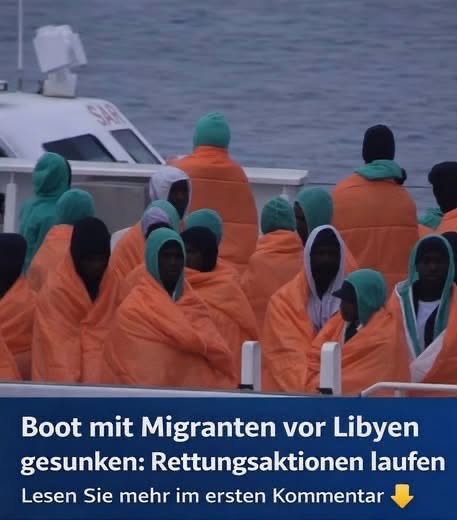
Lowe’s comments, delivered with palpable intensity, reflect a growing sentiment among certain factions in Britain.
He argued that allowing convicted criminals to remain in the UK due to human rights claims is unacceptable.
“What is cruel is allowing foreign killers to walk amongst us,” he stated, dismissing the moral implications of his stance.
His speech cited several high-profile cases of foreign criminals who avoided deportation, claiming their human rights were at risk.
Advertisement
“I don’t care,” he repeatedly asserted, emphasizing his belief that the safety of British citizens should take precedence over the rights of convicted offenders.
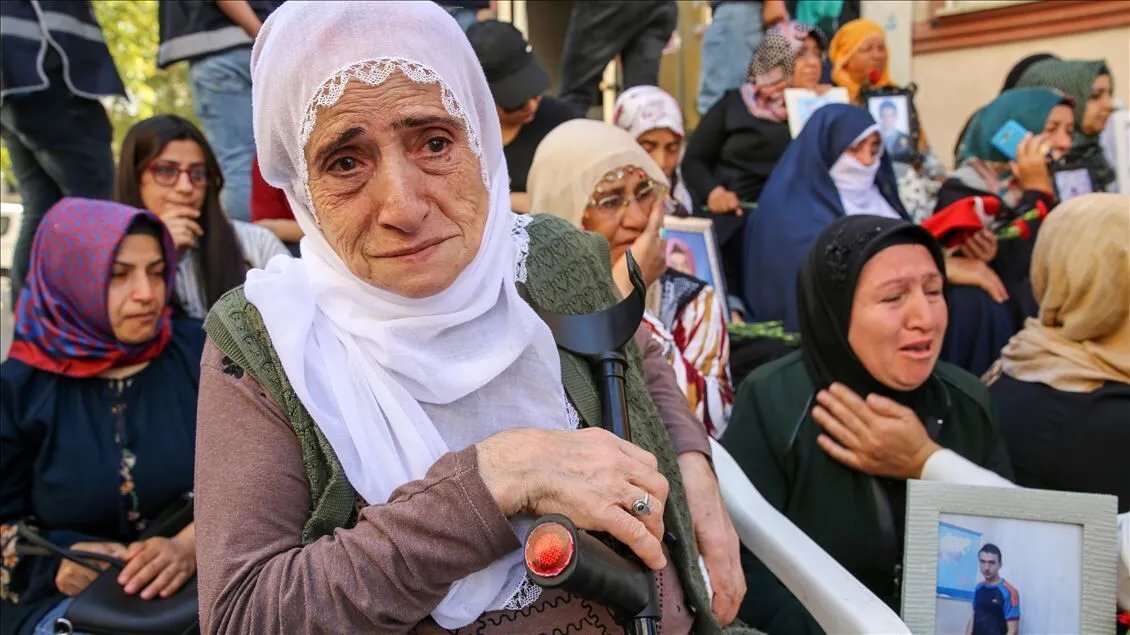
The backlash was immediate, with critics labeling Lowe’s rhetoric as dangerously xenophobic.
Advertisement
Many are questioning the implications of such extreme views on social cohesion and the political landscape in the UK.
The debate has reignited discussions about the balance between human rights and national security, a contentious issue that has long divided the nation.
Calls for a parliamentary debate on mass deportations have intensified, with Lowe suggesting a three-step plan to facilitate the removal of illegal migrants.
His proposals include leaving the European Convention on Human Rights and establishing secure detention facilities to expedite deportations.
As the discourse heats up, the government faces pressure to respond to the growing public outcry over immigration policies.
The urgency of the matter is underscored by ongoing investigations into the activities of foreign criminals in the UK, which have raised alarm among citizens.
Advertisement
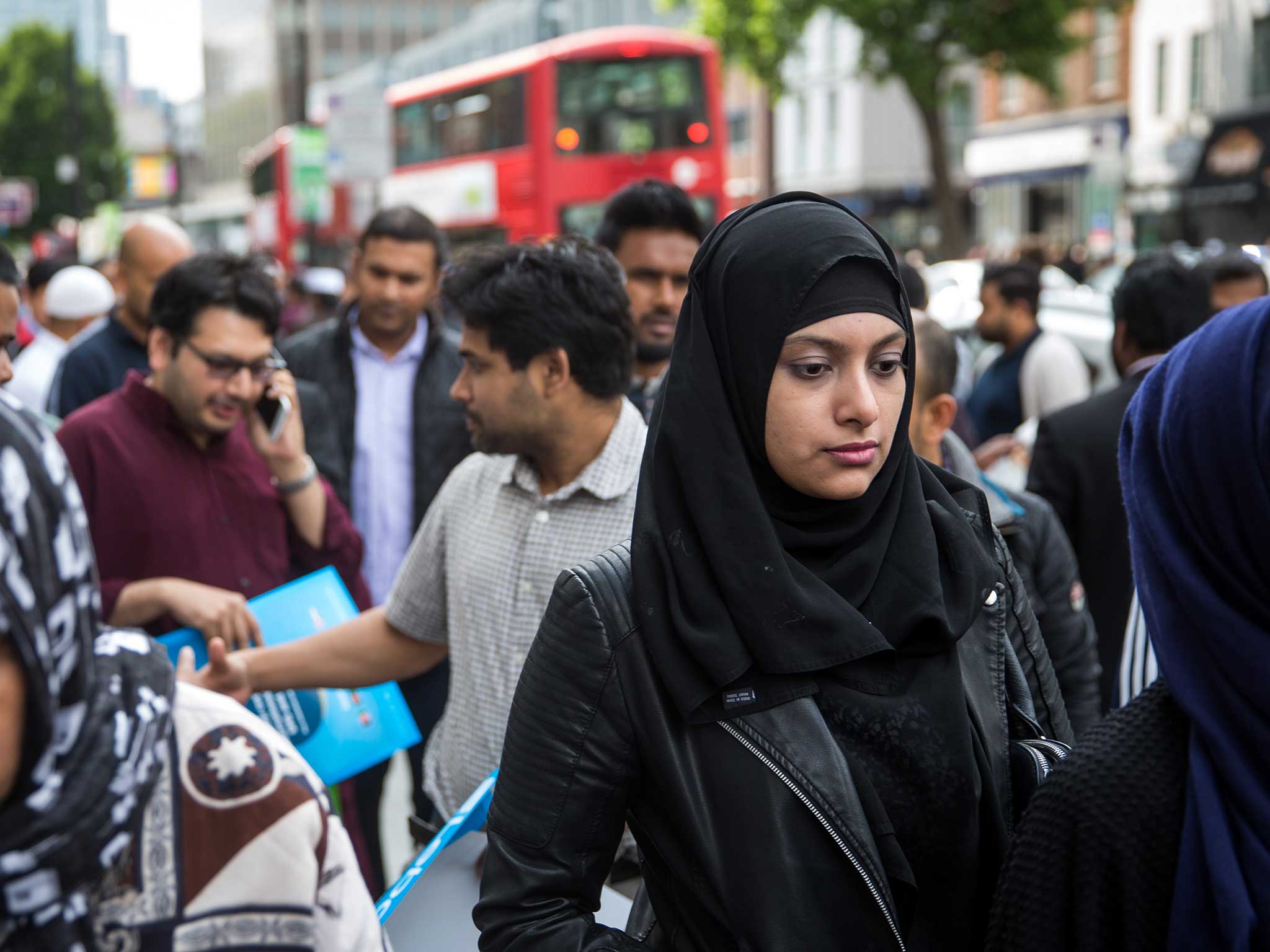
This incident marks a pivotal moment in the ongoing conversation about immigration in Britain.
With public sentiment shifting, politicians are being forced to confront the realities of their stances and the potential consequences for the future of the nation.
Advertisement
The ramifications of Lowe’s statements could be profound, influencing not only public opinion but also the policies that govern immigration and criminal justice in the UK.
As the debate unfolds, the nation watches closely, aware that the outcome could redefine the landscape of British politics for years to come.
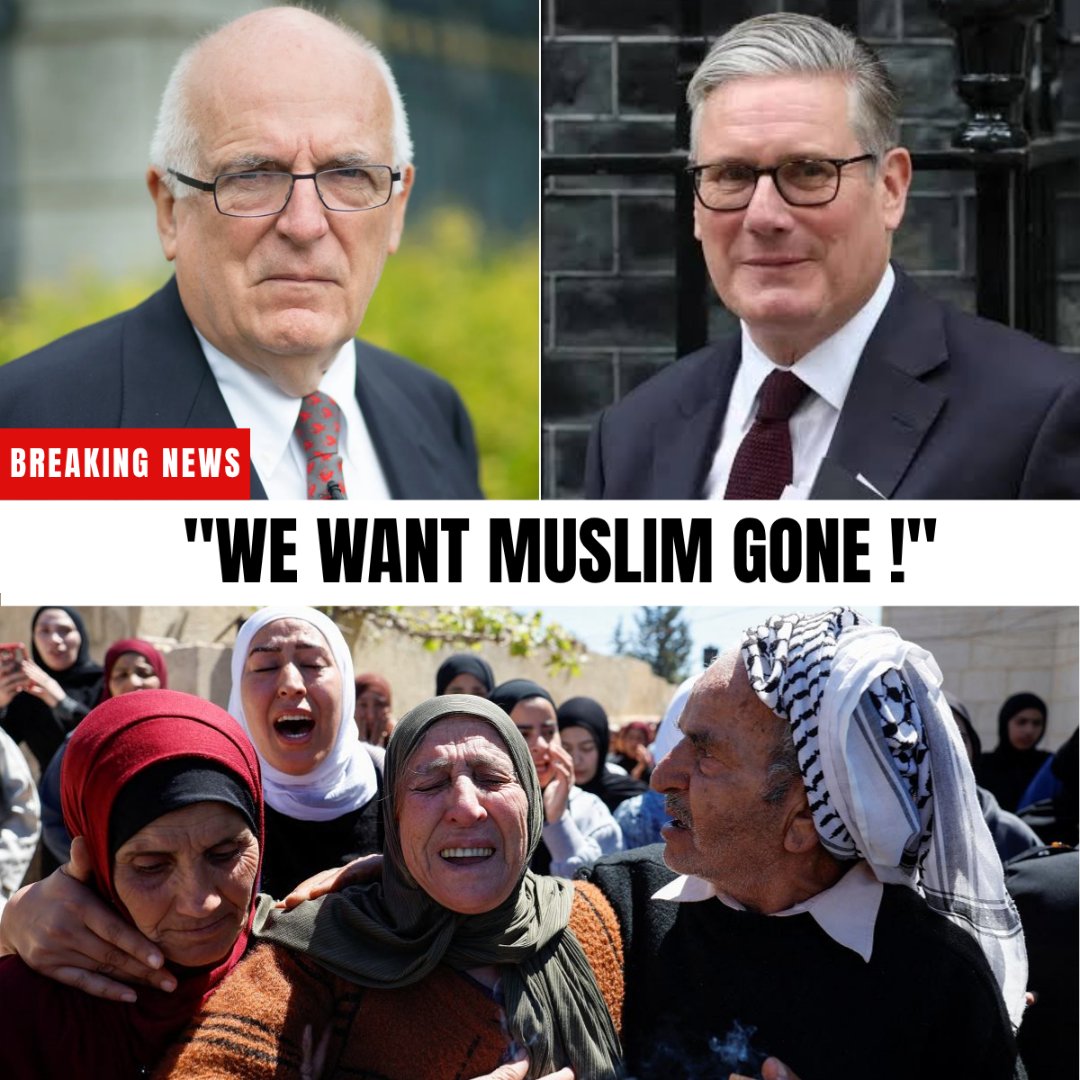
In the wake of this controversy, it remains to be seen how the government will navigate the complex issues surrounding immigration and national security.
The stakes are high, and the urgency for decisive action is palpable as citizens demand answers and accountability from their leaders.
STREET CHAOS ERUPTS ACROSS EUROPE! DRAMATIC SCENES AND CONFRONTATIONS IN SEVERAL LOCATIONS ARE DRAWING HUGE ATTENTION ONLINE!
Europe is facing renewed attention as dramatic scenes of street demonstrations, confrontations, and public disorder circulate across social media. Videos showing crowds gathering, police officers responding, and heated exchanges between opposing groups have sparked discussions about public safety, political divisions, immigration, and the growing challenges facing European governments.
From major metropolitan centres to smaller towns, public demonstrations have become an increasingly visible feature of Europe’s political landscape. While many protests remain peaceful, some gatherings have developed into confrontations that require police intervention and raise concerns among local residents.
The images circulating online have attracted millions of views and generated sharply different reactions. Some people see the demonstrations as an expression of legitimate public frustration, while others worry that growing political polarization is making European streets increasingly unpredictable.
But behind the dramatic footage lies a much bigger story about economic pressures, immigration debates, political dissatisfaction, and public confidence in government institutions.
A CONTINENT EXPERIENCING GROWING POLITICAL TENSIONS
Europe is home to dozens of countries with different political systems, economic conditions, and social challenges. Nevertheless, several issues have become common subjects of public debate across the continent.
Immigration remains one of the most controversial topics. Questions about border management, asylum applications, integration, housing, and public services have influenced political discussions in countries including Britain, France, Germany, Italy, and the Netherlands.
At the same time, rising living costs, housing shortages, unemployment concerns, and dissatisfaction with political leadership have contributed to public frustration.
For some demonstrators, taking to the streets is a way to demand government action. For others, protests represent opposition to political movements or policies they believe threaten their communities.
These different motivations can bring opposing groups into the same public spaces, creating situations that require careful management.
FRANCE: PROTESTS AND PUBLIC ORDER CHALLENGES
France has a long history of large-scale demonstrations, with street protests playing an important role in its political culture.
Issues including pension reform, taxation, employment conditions, immigration, and government policy have repeatedly brought large crowds into public spaces.
French authorities must balance the constitutional right to demonstrate with their responsibility to protect public safety.
In some demonstrations, confrontations between protesters and police have resulted in arrests, property damage, and injuries.
However, it is important to distinguish peaceful demonstrators from individuals involved in violence. The actions of a small number of people should not automatically be attributed to everyone participating in a protest.
GERMANY: DEBATES OVER IMMIGRATION AND NATIONAL IDENTITY
Germany has also experienced intense political discussions surrounding immigration, national identity, and the future of its social policies.
Large demonstrations have taken place both in support of migration and against government immigration policies.
These events reflect disagreements about integration, border security, labour shortages, and the responsibilities of a country receiving people seeking protection.
Germany’s political environment has become increasingly competitive, with different parties offering contrasting approaches to immigration and national security.
The challenge for German authorities is to protect freedom of expression while preventing intimidation, discrimination, and violence.
ITALY AND THE PRESSURE OF MEDITERRANEAN MIGRATION
Italy occupies a particularly important position in Europe’s migration debate because of its geographical location in the Mediterranean.
The country has faced continuing challenges involving maritime arrivals, asylum applications, migrant accommodation, and cooperation with other European governments.
Public demonstrations over immigration policy have reflected disagreements about how responsibility should be shared among European Union members.
Some campaigners demand stricter border controls, while humanitarian organizations emphasize the need to protect people escaping conflict and persecution.
These debates are particularly sensitive because they involve national sovereignty, international obligations, and the protection of human life.
WHY ARE THESE VIDEOS GOING VIRAL?
Social media has fundamentally changed how people experience political demonstrations.
In the past, most viewers depended on television news organizations and newspapers for information about events taking place in distant cities.
Today, anyone with a smartphone can record a confrontation and distribute it internationally within minutes.
A video showing a large crowd, police intervention, or a dramatic argument can attract enormous attention.
However, viral footage does not always provide a complete picture.
A short recording may show the moment a confrontation begins without revealing what happened beforehand. Some videos are also reposted without their original dates or locations.
This creates a serious challenge for viewers trying to distinguish recent events from older footage.
The public should therefore examine the original source, location, date, and independent reporting before accepting claims about what happened.
THE ECONOMIC FACTOR BEHIND PUBLIC FRUSTRATION
Political demonstrations are rarely driven by one issue alone.
Economic pressures can influence how people view government decisions and the future of their communities.
Across Europe, households have faced concerns involving housing affordability, energy costs, food prices, employment opportunities, and access to public services.
When people believe their economic circumstances are deteriorating while political leaders appear unable to provide convincing solutions, frustration can grow.
This does not mean economic difficulties automatically lead to street violence. Millions of people express dissatisfaction peacefully through elections, demonstrations, petitions, and public discussion.
Nevertheless, economic uncertainty can become an important factor in a wider atmosphere of political dissatisfaction.
THE RESPONSIBILITY OF EUROPEAN GOVERNMENTS
European governments face a difficult balancing act.
They must protect the right to peaceful protest while ensuring that public spaces remain safe for residents, businesses, visitors, and emergency personnel.
Police forces must respond proportionately to genuine threats without unnecessarily restricting legitimate demonstrations.
Political leaders also have a responsibility to communicate clearly and avoid language that encourages hostility between communities.
Immigration, national identity, economic inequality, and public security are legitimate subjects for political debate.
However, disagreements must not become excuses for threats, assaults, intimidation, or attacks against people because of their backgrounds or political opinions.
Public confidence depends on the ability of institutions to enforce the law fairly and consistently.
COULD THE SITUATION BECOME MORE SERIOUS?
The future of public demonstrations across Europe will depend on several factors, including economic conditions, political developments, government decisions, and the ability of authorities to maintain public order.
It would be misleading to suggest that every European country is experiencing the same level of unrest.
Different demonstrations have different causes, and many remain peaceful.
Nevertheless, the circulation of dramatic footage demonstrates how quickly local events can become international talking points.
European governments will need to address the underlying concerns driving public dissatisfaction while ensuring that democratic freedoms are protected.
CONCLUSION: EUROPE FACES A TEST OF PUBLIC CONFIDENCE
The dramatic street scenes circulating online have once again highlighted the political and social challenges facing Europe.
Immigration, economic pressure, national identity, public services, and political accountability remain important subjects of debate.
For ordinary residents, the priority is straightforward: they want safe neighbourhoods, functioning public services, economic opportunities, and confidence that their governments are listening.
For protesters, the right to express disagreement peacefully must remain protected.
For authorities, maintaining public order while respecting democratic freedoms is an essential responsibility.
Ultimately, the future of Europe’s political stability will not be determined by viral videos or dramatic headlines alone.
It will depend on whether governments can address legitimate public concerns, whether political leaders can encourage constructive debate, and whether communities can disagree without turning to violence.
The streets may attract the cameras, but the real story is happening much deeper within European society.