
The incident occurred during a campaigning session in the Holborn and St Pancras constituency, where a by-election is currently underway.
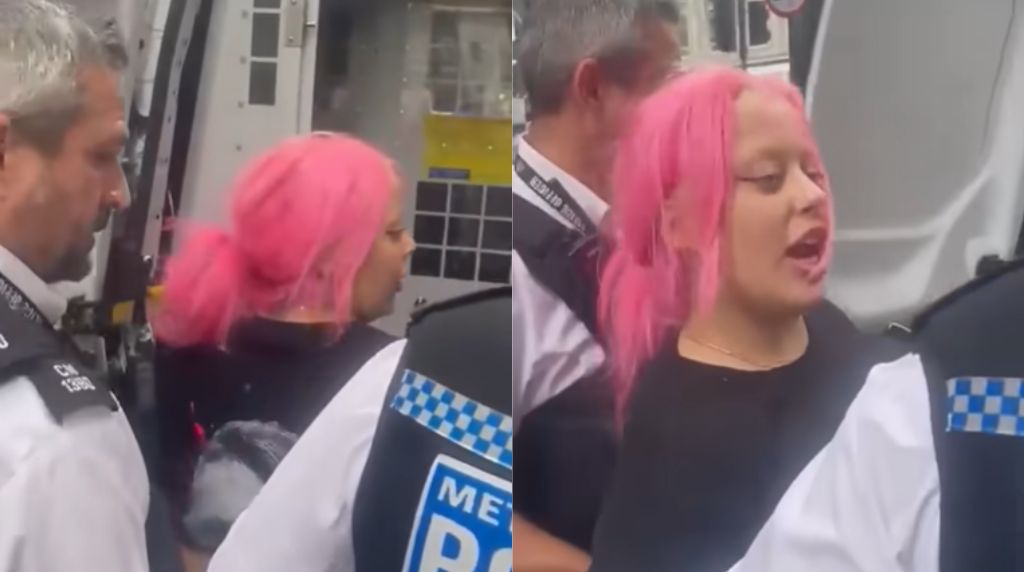
Video footage circulating online shows an individual being detained by police officers in connection with the attack, while onlookers jeer the suspect.
The attack has prompted a swift and angry response from Restore Britain’s leadership.
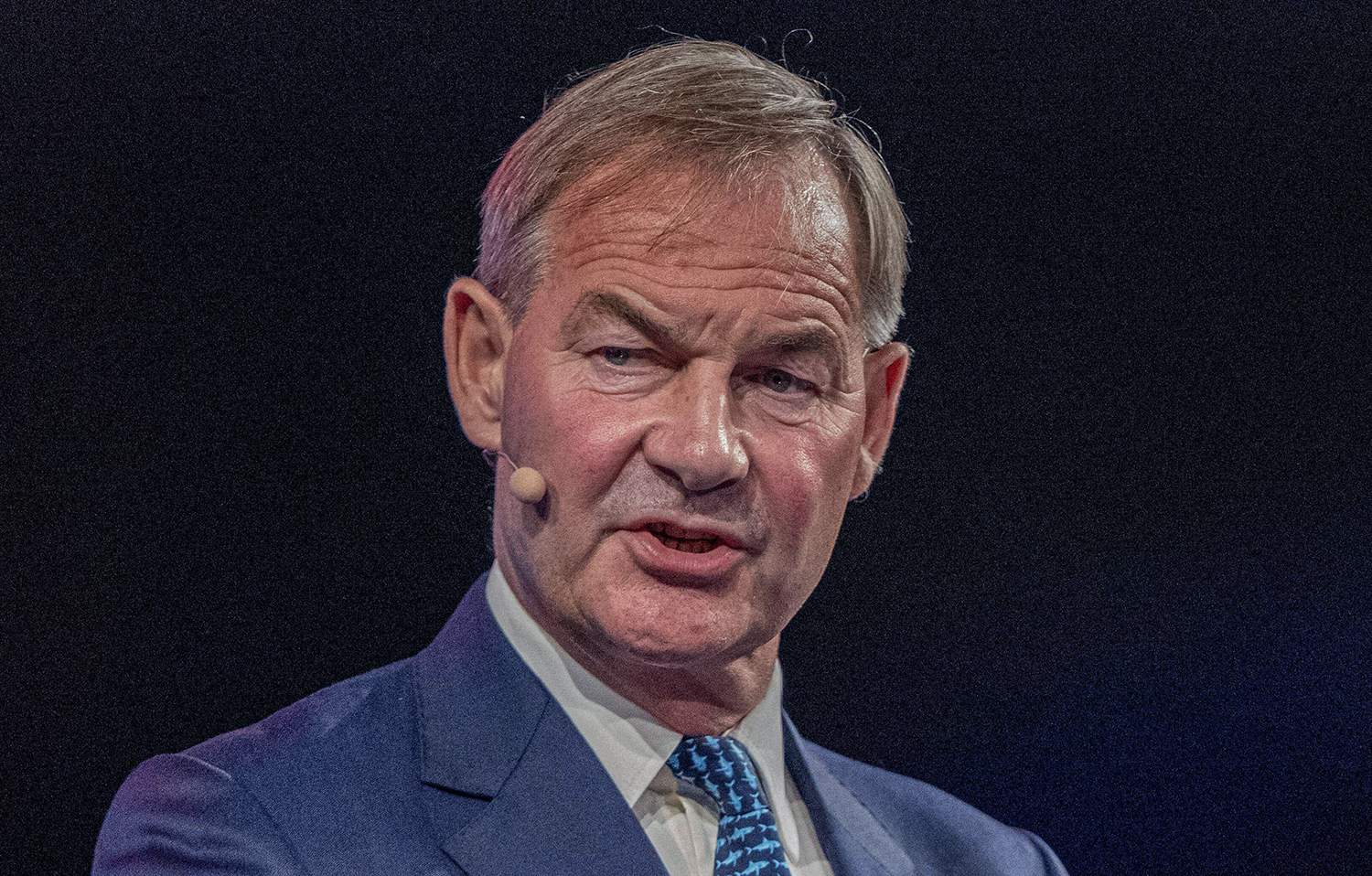
Party leader Rupert Lowe released a statement directly attributing the violence to the rhetoric used by mainstream politicians and media outlets.
Advertisement
“I’m calling on various parts of the establishment to now ease off their rhetoric about Restore Britain,” Lowe stated.
He specifically named “the Telegraph, Labour MPs, Farage, the Daily Mail, Lib Dems, [and] the Guardian,” accusing them of “putting our people at risk… and endangering others.”
Lowe argued that repeatedly framing the right-wing party’s platform—which includes a push for mass deportations—as “Nazi” or fascist is directly inciting violence.
“Pushing for mass deportations is mainstream politics backed by millions and millions of Britons. This is not Nazism.
Nobody, and I mean nobody, should be physically attacked in the street for peacefully campaigning,” he declared.
In response to the attack, Restore Britain has announced significant changes to its campaign strategy.
Advertisement
Lowe confirmed the cancellation of an upcoming campaign session in Holborn and St Pancras, stating that the party is not prepared to put members in harm’s way.
“Remarkably, we are now in a position where our campaigners can’t congregate in our capital city without the fear of being scalded with boiling liquid,” Lowe said.
Advertisement
He announced that a private donor has offered to fund the delivery of the party’s leaflets instead, and that from next week, Restore Britain will arrange private security for all campaigning events in the by-election.
Lowe also indicated his intent to formally escalate the matter with law enforcement, stating he is personally writing to the Metropolitan Police regarding the handling of the incident and the conduct of “anti-racist groups.”
Advertisement
He went as far as suggesting that proscribing such groups as terrorist organizations is “looking increasingly justified.”
Right-wing commentators have seized on the incident as evidence of a double standard in political and media responses to violence, arguing that an attack on a left-wing campaigner would have resulted in immediate national outrage and parliamentary intervention.
Critics argue that the mainstream political establishment has consistently ignored or downplayed violence originating from far-left groups.
Advertisement
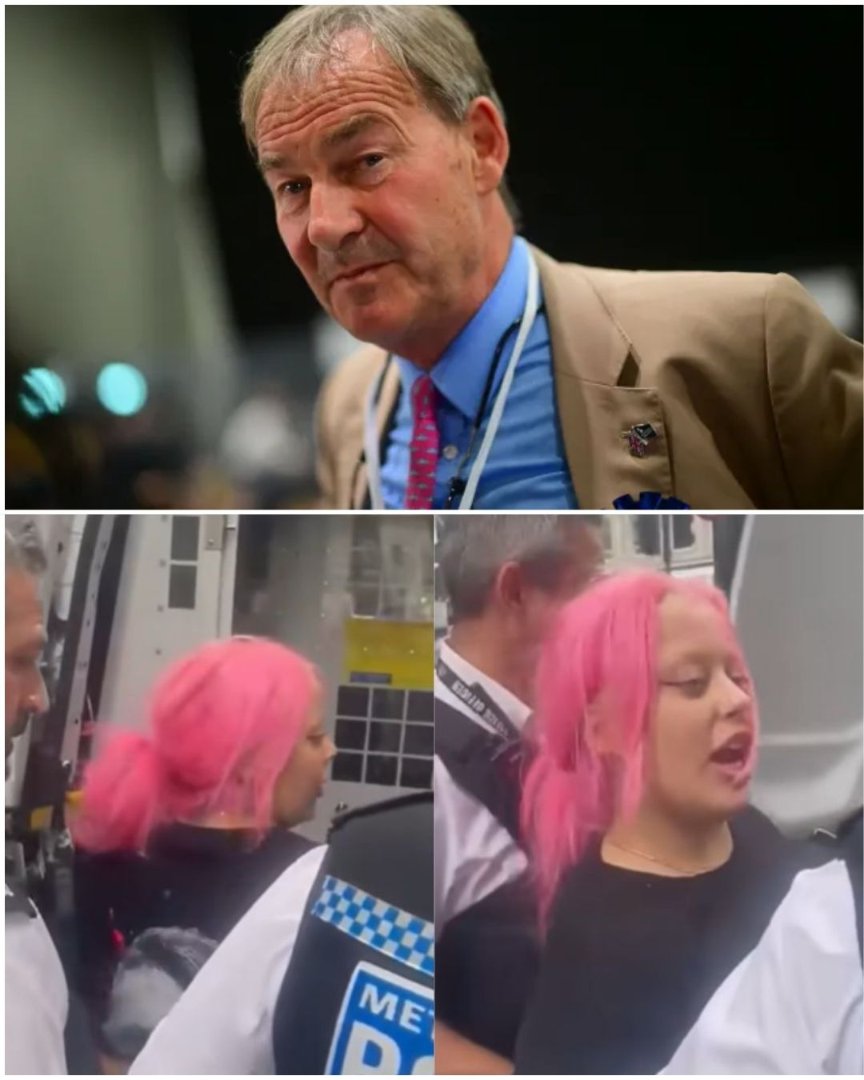
The Metropolitan Police have not yet released the identity of the arrested suspect or confirmed specific charges related to the attack.
The major political parties have not yet issued formal statements condemning the violence against the Restore Britain campaigner.
BOILING WATER ATTACK IN LONDON CAUGHT ON TAPE! The UK Election Just Took a TERRIFYING and Violent Turn!
British politics is facing renewed questions about political intimidation, public safety, and the increasingly hostile atmosphere surrounding election campaigns. A confrontation involving political campaigners and protesters in Camden, London, has drawn attention to the risks faced by people participating in democratic activities. What began as a political disagreement reportedly developed into a physical confrontation, raising concerns about whether political differences in Britain are becoming increasingly difficult to express peacefully.
The incident has also generated sensational headlines suggesting that campaigners were targeted with boiling water. However, the available reporting requires an important distinction: police accounts describe an alleged punch and a separate incident in which coffee spilled onto a campaigner’s leg after his hand was struck. There is no established confirmation that boiling water was deliberately thrown at anyone during this confrontation. Nevertheless, the reported violence deserves serious attention.
A Political Campaign Turns Into a Confrontation
The incident reportedly occurred in Camden, north London, during campaigning involving supporters of Restore Britain and members of Stand Up To Racism.
According to reports, approximately 15 Restore Britain supporters had gathered near Camden Town Underground station to campaign for their party’s candidate. A group of around 30 counter-protesters subsequently approached them, creating an increasingly tense atmosphere.
Political campaigning is an essential part of democratic society. Supporters of different parties have the right to distribute leaflets, communicate their policies, engage with voters, and explain why they believe their political programme deserves public support.
Equally, members of the public have the right to disagree, organize peaceful demonstrations, and challenge political movements they oppose.
However, these democratic freedoms depend on an important principle: disagreement must not become physical intimidation.
Reports surrounding the Camden confrontation described an alleged assault in which a campaigner was punched. Police also received a report concerning another individual whose hand was allegedly struck, causing coffee he was holding to spill onto his leg.
A woman was reportedly arrested on suspicion of assault.
These details are important because they distinguish the documented allegations from the more dramatic descriptions circulating online. Political violence should never be minimized, but it is equally important not to exaggerate the evidence.
Why Has Political Tension Become Such a Serious Concern?
Britain has experienced increasingly intense political disagreements in recent years. Questions surrounding immigration, national identity, economic inequality, public services, and the future direction of the country have created significant divisions.
Political parties are competing for the attention of voters who often feel frustrated with the traditional political establishment.
The rise of alternative political movements has added another dimension to this environment. Parties and organizations outside the traditional political mainstream have attracted supporters who believe existing institutions are failing to represent their interests.
However, political polarization can create an atmosphere in which opponents are increasingly viewed as enemies rather than fellow citizens with different opinions.
This is dangerous for democracy.
A healthy political system requires competing viewpoints. People must be able to support conservative, progressive, nationalist, liberal, socialist, or other political positions without fearing physical attacks.
The same protection must apply to those who oppose these movements.
Nobody should be forced to abandon peaceful political participation because of intimidation or threats.
The Controversy Surrounding Restore Britain
Restore Britain has attracted attention through its political messaging and campaigning activities. Its supporters argue that the country needs significant changes in areas such as immigration, national sovereignty, and national identity.
Its opponents strongly disagree with aspects of its political programme and have challenged its presence in public campaigning spaces.
These disagreements reflect wider debates about the boundaries of political expression and the responsibilities of campaign organizations.
Peaceful protest is a fundamental democratic right. People must be free to criticize political parties, challenge controversial statements, and organize demonstrations.
But the right to protest does not include the right to assault individuals or deliberately endanger their safety.
Likewise, political campaigners have a responsibility to conduct themselves lawfully and respect the rights of people who disagree with them.
Democracy cannot function properly if one group believes it has the authority to silence another through intimidation.
The Boiling Water Allegation: What Do We Actually Know?
One particularly alarming element of the online coverage is the suggestion that campaigners were attacked with boiling water.
Such an incident would represent an extremely serious act of violence. Deliberately throwing boiling liquid at another person can cause devastating injuries and potentially permanent physical damage.
However, the available reporting about the Camden incident does not establish that such an attack occurred.
Instead, the reported account describes coffee spilling onto a campaigner’s leg after his hand was struck.
The distinction matters enormously.
Journalism must separate confirmed facts, witness allegations, political statements, and speculation. A dramatic headline cannot replace evidence.
If video footage exists, it should be examined in its entirety and in context. A short clip may reveal part of an incident without showing what happened immediately beforehand or afterward.
The public deserves accurate information, especially when allegations involve serious violence and politically motivated attacks.
A Wider Warning About Violence During Election Campaigns
The Camden confrontation is not the only incident to raise questions about the safety of political candidates and campaigners.
In June 2024, Nigel Farage was targeted with a milkshake during an election campaign event in Clacton-on-Sea. The woman responsible later pleaded guilty to assault by beating and criminal damage. She received a suspended prison sentence in December 2024.
The Crown Prosecution Service emphasized that attacks against election candidates and political representatives should not be tolerated.
This incident demonstrated that hostility toward political figures can develop into criminal behaviour, regardless of the political opinions held by those involved.
Political representatives are public figures, and they should expect difficult questions, criticism, demonstrations, and intense scrutiny. However, none of these activities justifies physical violence.
The same principle applies to ordinary campaign volunteers, protesters, journalists, and members of the public.
Everyone participating in democratic life deserves protection under the law.
The Responsibility of Political Leaders
Political leaders have an important responsibility when tensions rise.
Their language can influence how supporters understand political disagreements. When leaders consistently portray opponents as existential threats, enemies, or people who should be driven out of public life, they risk contributing to an increasingly hostile political environment.
This does not mean politicians must avoid strong criticism.
On the contrary, political debate should be energetic, challenging, and honest. Leaders must be able to expose policy failures, criticize government decisions, and question the actions of their opponents.
But there is a difference between criticizing political ideas and encouraging hostility toward individuals.
Leaders across the political spectrum should clearly reject physical intimidation, regardless of which political organization is involved.
They should also avoid making unverified allegations simply because those allegations benefit their political arguments.
The public needs leadership that encourages democratic participation rather than deepening divisions.
What Does This Mean for Britain’s Democracy?
The incident raises several important questions about the future of political campaigning in Britain.
Will political parties be able to organize public events without fearing confrontation? Can protesters express disagreement without threatening the safety of others? Are political organizations doing enough to discourage aggressive behaviour among their supporters?
These questions deserve serious consideration.
Election campaigns are supposed to provide opportunities for citizens to evaluate competing ideas and decide which representatives they want to support.
They should not become environments where physical intimidation determines who can speak and who must remain silent.
The police also have an important role in maintaining public order, investigating allegations, and ensuring that criminal behaviour is addressed through proper legal procedures.
However, policing alone cannot solve political polarization. Political organizations, community leaders, media outlets, and ordinary citizens all have responsibilities.
The media must report incidents accurately. Political parties must establish clear expectations for their supporters. Protest organizations must ensure that demonstrations remain peaceful. And voters must be willing to challenge misinformation, even when it supports their preferred political position.
Conclusion: Political Disagreement Must Never Become Physical Violence
The confrontation in Camden should serve as an opportunity for Britain to reflect on the condition of its political culture.
The allegations surrounding the incident deserve proper investigation, and anyone responsible for criminal behaviour should be held accountable through the legal system.
At the same time, sensational claims about boiling water should not be repeated as established facts without supporting evidence.
Britain’s democracy depends on the freedom to disagree. Citizens must be able to support political movements, criticize government policies, challenge controversial organizations, and participate in peaceful demonstrations.
Those freedoms are meaningful only when everyone can exercise them safely.
An election should be decided through public debate, political accountability, and the votes of citizens—not through intimidation, threats, or physical confrontation.
The cameras may capture a dramatic moment, and political arguments may dominate the headlines for days. But the more important question is what happens afterward.
Can Britain’s political leaders restore an environment in which disagreement remains peaceful? Can campaigners and protesters recognize each other’s democratic rights? And can the country protect the principle that political differences must be resolved through debate rather than violence?
These are questions that extend far beyond Camden.
Ultimately, democracy is not measured by how aggressively people defend their political beliefs. It is measured by whether people with fundamentally different beliefs can coexist, participate, and express themselves without fear.