
THE OPERATION THAT PROTECTED POWER
Police ordinarily convene Gold command operations for terror attacks and disasters with bodies in the street. Yet in August 2019, Greater Manchester Police and Oldham Council convened one because they stood accused of covering up the gang rape of children. The operation was aimed at the man exposing their crimes and those that dared to ask questions.
Pakistani Rape gangs were working the town. Their leaders included powerful individuals with direct links to the Labour Party. Children were being sold from care homes. Little girls were being dragged into cars outside school gates. Rooms in shisha bars were being rented out by the hour where girls were lured into.
Instead of launching an investigation into those that facilitated the rape and trafficking of children the Gold command hunted the people campaigning to stop it.
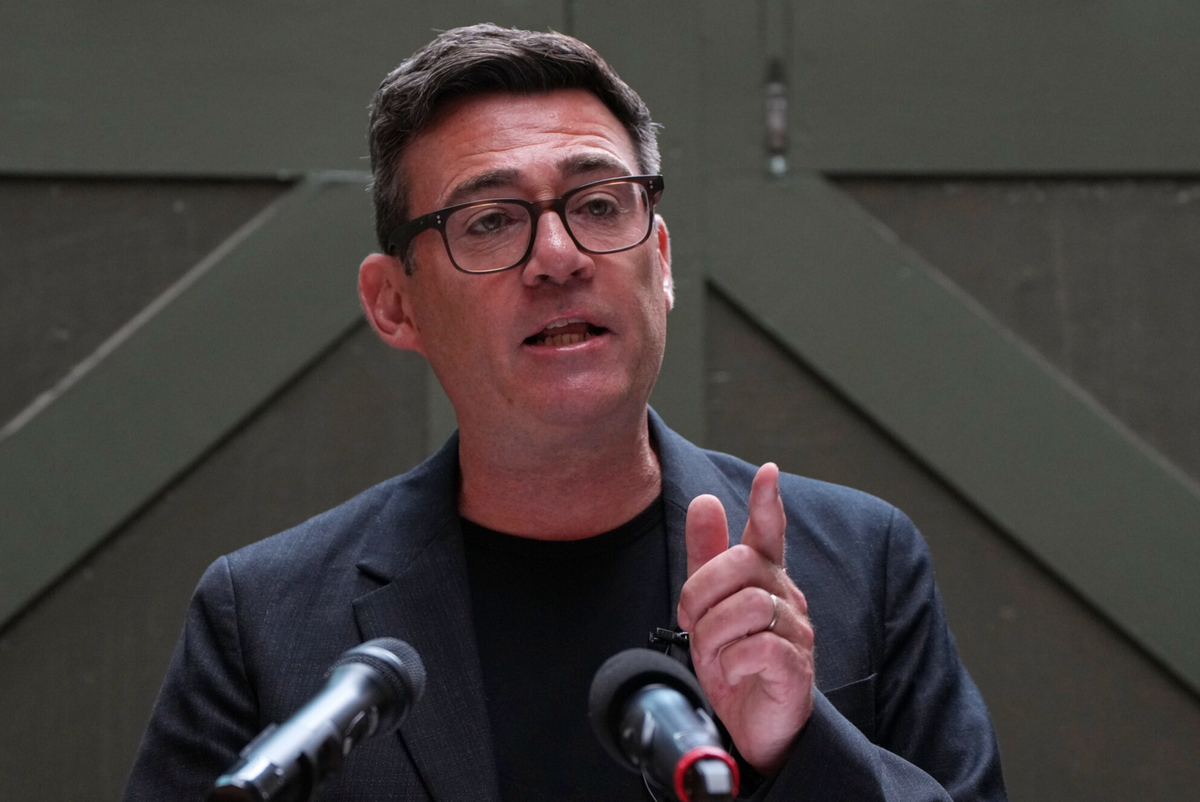
It didn’t just stop with the council and the police. Andy Burnham, then Greater Manchester Mayor and now about to become Prime Minister is directly incriminated. His own assurance review in Oldham, the one that claimed there was no cover up, names Hexagon twice in its terms of reference.
Take a moment to understand what this means. The review commissioned to clear the institutions was fed, by written agreement, by the operation those institutions built to hunt their accusers. Hexagon supplies the review. The review is forbidden from examining Hexagon. The whitewash drank from the surveillance, and the surveillance sat safely beyond the whitewash’s reach. Nobody stumbles into an arrangement like that. Someone drafted it, someone approved it, and someone has been counting on nobody ever reading the small print to understand it.
Stand back and see the whole machine. A police force, a council, its leaders, sitting Labour MPs, the Mayor’s office and now would be Prime Minister, moving as one organism, every part pointed in the same direction. Away from the men who raped children. Away from those that covered it up. And instead, towards the people who tried to stop these barbaric crimes.
Even the local press was mobilised. When the first dawn raid came, reporters were fed the line that the arrest was connected to a child sexual exploitation investigation. They eagerly printed it and dressed up the whistleblower as the abuser. In a town where the Labour Party held a mafia like grip, the warning to anyone else was clear. Speak out and we will destroy you. Which is why Pakistani gangsters, under the protection of the police force, printed details of my home address online.
Had Hexagon succeeded, the campaign for a national inquiry would have died too. The cover up would have held and what we now know as the truth would have remained a far right conspiracy. The whole country came within one collapsed prosecution of never knowing the truth. That little White girls were gang raped, on an industrial scale, by gangs of Pakistani men. And how, instead of arresting these men, those in power helped cover up their crimes. Some even benefitted from turning away from the screams of little girls being gang raped by men whose votes they relied on to stay in power.
In the end, Operation Hexagon is as simple as this. They built a Gold command to bury the truth about gang raped children. The man who presided over it is about to become Prime Minister. Read those two sentences again. Everything that is broken in this country lives in the space between them.
Sign up for Red Wall & the Rabble
I’m Raja Miah. For over seven years, I have led a small team that exposed how politicians protected the rape gangs. Before that, I spent over a decade trying to stop violent extremists exploiting abandoned communities.
This work is free because the truth must circulate. But truth without numbers is easy to crush. The government does not fear facts. It fears scale.
Burnam and the Establishment fear thousands reading, sharing, and backing the same work because numbers mean witnesses, pressure, and consequences. That’s why this matters.
🔴 Subscribe to the newsletter. It’s free. Every subscriber is a number they can’t erase. Every reader widens the circle they can’t control. If you can afford it, please support for 75p a week (£3/month or £30/year).
Numbers with backing become power. A few supporters can be ignored. Thousands cannot. This is how this campaign survive. This is how we see this through. This is how voices like ours stops being managed and starts being feared.
The controversy surrounding Andy Burnham, Operation Hexagon and the historical grooming gang scandal in Oldham has raised deeply troubling questions about police accountability, political transparency and the protection of vulnerable children. At the heart of the dispute is an uncomfortable question: why did allegations of organised child sexual exploitation remain unresolved for so long, and were the authorities more concerned about managing public criticism than investigating the full extent of the abuse? Although some accusations remain unproven, the documented failures of public institutions and the continuing questions surrounding Operation Hexagon deserve serious independent scrutiny.
Oldham, in Greater Manchester, has been associated with serious cases of child sexual exploitation involving vulnerable young girls. For years, survivors and campaigners have described how children were groomed, sexually abused and exploited by groups of men. Some victims reported being taken to different locations, threatened, assaulted and passed between perpetrators. Their experiences exposed serious weaknesses in the way police officers, social services and local authorities identified and responded to allegations of organised abuse.
The scandal was particularly disturbing because warnings had reportedly been raised over an extended period. Vulnerable children were not always believed, and some victims were treated as though they were responsible for their own exploitation. These failures created an environment in which offenders could continue abusing children while institutions struggled to recognise the scale of the problem.
Andy Burnham became closely associated with the issue in his capacity as Mayor of Greater Manchester. In 2019, he commissioned an independent assurance review into the historical response to child sexual exploitation in Oldham. The review was intended to examine whether police and local authorities had fulfilled their responsibilities and whether lessons had been learned from previous failures.
However, the publication of the review did not end the controversy. Critics questioned its terms of reference, its independence and whether it had examined every relevant aspect of institutional conduct. Some campaigners argued that a review commissioned through existing public institutions could not provide the level of transparency required by survivors and the wider public.
The debate became more controversial following the emergence of information about Operation Hexagon, a Greater Manchester Police initiative that operated between September 2019 and February 2022. According to an official explanation provided to Oldham Council, the operation examined the community impact of historic child sexual exploitation allegations being circulated online. The council confirmed that it supported the police initiative.
However, campaigners have questioned why such an operation was necessary and whether its activities extended beyond monitoring online threats and community tensions. Raja Miah, an Oldham campaigner, has alleged that the operation was used to investigate people who were exposing failures surrounding the grooming gang scandal rather than concentrating exclusively on the original crimes.
His allegations have attracted considerable attention because of the wider history of institutional failures in Oldham. If police intelligence was collected or used to intimidate legitimate campaigners, whistleblowers or witnesses, that would raise serious questions about the appropriate use of police powers.
Nevertheless, it is important to distinguish between allegations and established findings. Publicly available information does not demonstrate that Burnham personally ordered Operation Hexagon to target whistleblowers. Nor does it establish that the operation was deliberately created to protect grooming gang offenders. The police have described its purpose in terms of the community impact of online allegations, while critics continue to demand a fuller explanation of its objectives and activities.
The central concern is whether the operation was properly authorised, proportionate and consistent with the police’s responsibilities. An independent investigation should establish who was monitored, what information was collected, how that information was used and whether any individuals were treated unfairly because of their criticism of public institutions.
Another important issue concerns the relationship between Operation Hexagon and the independent assurance review. Critics argue that the operation was referenced in the review’s documentation without being examined in sufficient depth. They question whether this created a conflict between the review’s responsibility to investigate institutional failures and its reliance on information supplied by the same institutions under scrutiny.
This is a legitimate question for independent investigators. A review cannot provide complete public confidence if important decisions, intelligence arrangements or institutional relationships remain unexplained. Transparency is particularly important when the subject involves allegations of child abuse and the possible mistreatment of people who raised concerns.
The 2022 independent assurance review into Oldham did identify serious failures. It examined historical child sexual exploitation between 2004 and 2017 and found that children had not always received the protection and support they deserved. The report also considered the conduct of police officers, council departments and other organisations involved in safeguarding.
However, the reviewers concluded that they had found no evidence that senior council managers or elected councillors had deliberately covered up the existence of child sexual exploitation or the difficulties involved in addressing it. This conclusion is important and should not be ignored simply because campaigners disagree with the review’s methodology.
At the same time, the absence of evidence of a deliberate cover-up does not mean that every institutional failure has been explained. Poor decision-making, inadequate investigations, insufficient communication and failures to protect children can occur without a coordinated conspiracy. Those failures can still have devastating consequences and demand accountability.
Burnham has previously acknowledged that children were let down by public institutions. He has argued that the authorities must focus on identifying offenders, following up allegations and securing prosecutions rather than becoming trapped in endless arguments about previous reviews.
His position has been that the police should investigate every credible allegation brought forward by survivors. He has also supported further police activity intended to identify offenders and examine historical cases.
However, critics believe that political assurances are not enough. They want a comprehensive explanation of the decisions made by Greater Manchester Police and Oldham Council, including the purpose of Operation Hexagon and the treatment of people who challenged the official response.
The involvement of former police detective Maggie Oliver has also been significant. Oliver became a prominent whistleblower after raising concerns about the treatment of vulnerable children and the handling of sexual exploitation cases in Greater Manchester. Her experience illustrates the difficulties faced by professionals who challenge established institutions when they believe that children are not being protected.
Sara Rowbotham, who worked with vulnerable young people in Rochdale, similarly helped expose the failures of public authorities. Their efforts demonstrated the importance of listening to people who have direct experience of safeguarding failures rather than dismissing uncomfortable criticism.
The national debate has since developed considerably. Baroness Louise Casey’s 2025 audit into group-based child sexual exploitation and abuse highlighted serious historical problems in the way institutions responded to organised abuse. It called for stronger investigations, better information sharing and improved support for survivors.
In 2026, the statutory Independent Inquiry into Grooming Gangs began examining institutional responses to group-based child sexual exploitation across England and Wales. Oldham was selected as one of the first areas for a local investigation. The inquiry has powers to require documents and witness evidence, making it an important opportunity to examine unresolved questions.
This development is particularly significant because the inquiry is independent of Oldham Council, the government and the organisations whose conduct it is examining. It can consider what institutions knew, when they knew it, whether opportunities to protect children were missed and how survivors were treated when they came forward.
The inquiry should also examine the wider relationship between police investigations, political oversight and the treatment of whistleblowers. If Operation Hexagon was entirely legitimate, the authorities should be able to explain its objectives and demonstrate that its activities were lawful and proportionate. If evidence of improper conduct emerges, those responsible should face appropriate accountability.
Burnham’s responsibility must also be examined within the correct constitutional framework. As mayor, he had an important role in overseeing Greater Manchester’s policing arrangements and holding the police leadership accountable. However, operational policing decisions are the responsibility of the chief constable, and the mayor does not personally direct individual criminal investigations. Any allegation that Burnham ordered or knowingly facilitated the targeting of campaigners would therefore require specific documentary evidence.
Ultimately, the most important people in this controversy are the survivors. Their experiences should not become secondary to political arguments between Labour and Conservative politicians or competing campaign groups. They deserve to be believed, treated with dignity and given access to effective investigations and appropriate support.
The authorities must also ensure that the ethnicity or background of suspects does not become a reason to avoid investigating serious crimes. Every allegation should be assessed according to evidence, and every offender should be treated equally under the law. Equally, collective blame against entire ethnic or religious communities is unjustified and does nothing to help victims obtain justice.
In conclusion, the controversy involving Andy Burnham, Operation Hexagon and the Oldham grooming gang scandal raises important questions about institutional accountability and the protection of whistleblowers. Serious historical safeguarding failures have been documented, while allegations that Operation Hexagon was used to target campaigners remain matters requiring further evidence and independent examination. The 2022 review found no evidence of a deliberate council cover-up, but this should not prevent investigators from examining unresolved questions about policing and intelligence gathering. The new statutory inquiry provides an opportunity to establish a fuller account of what happened, identify those responsible for any wrongdoing and ensure that survivors receive justice. The ultimate test of public institutions is not how effectively they defend their reputations, but whether they protect vulnerable children, investigate crimes impartially and tell the truth even when the findings are uncomfortable.