

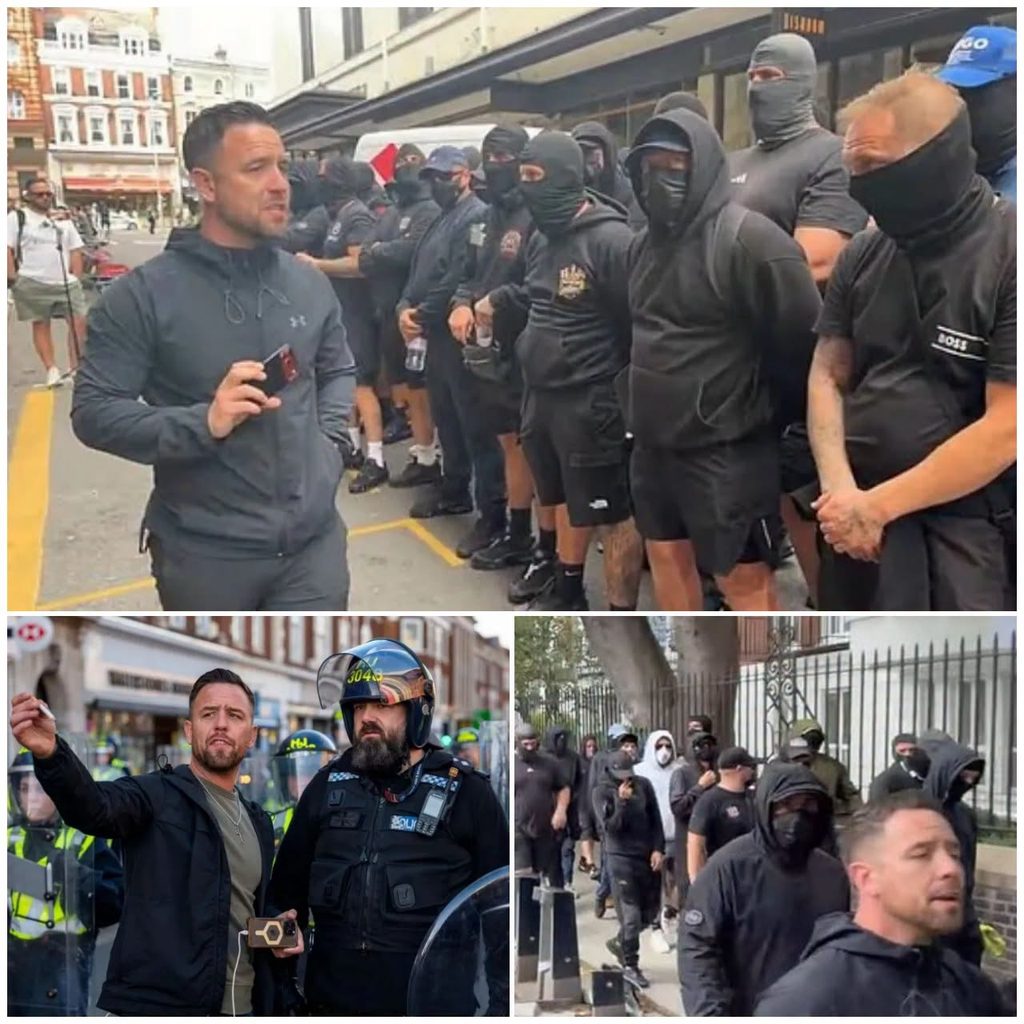
Patriot Platform has delivered a defiant new message to the Government, declaring that its campaign will continue despite founder Danny Tommo being remanded in custody ahead of his trial next year.
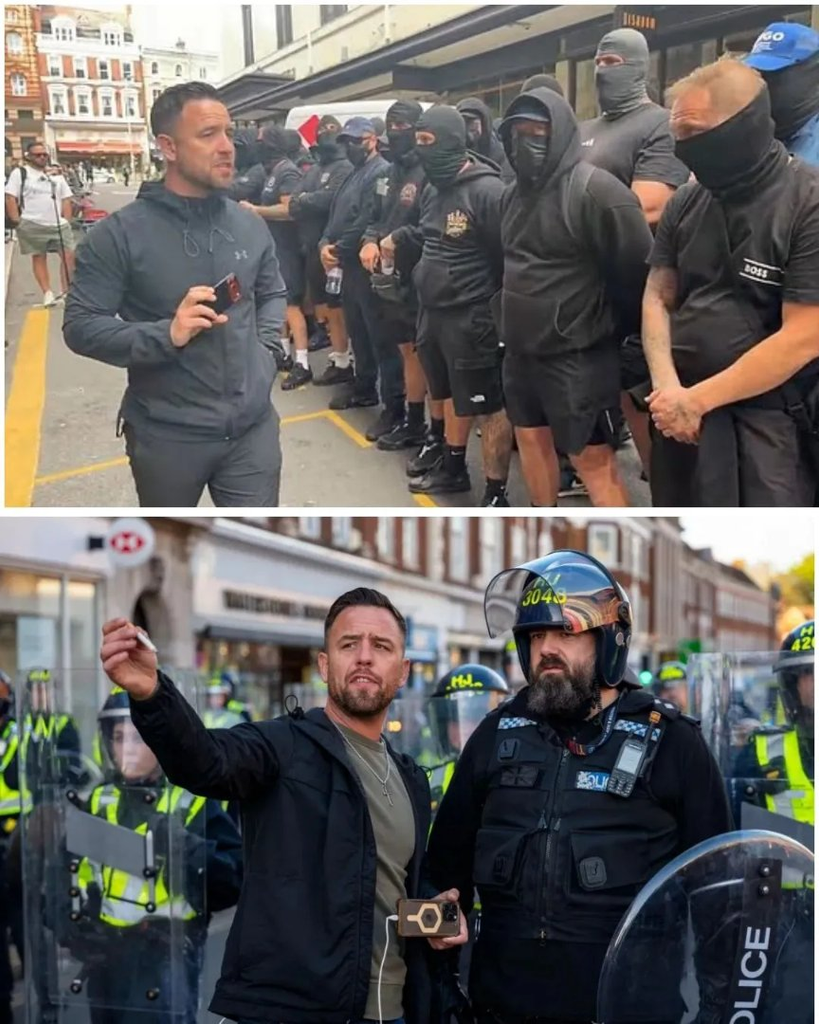
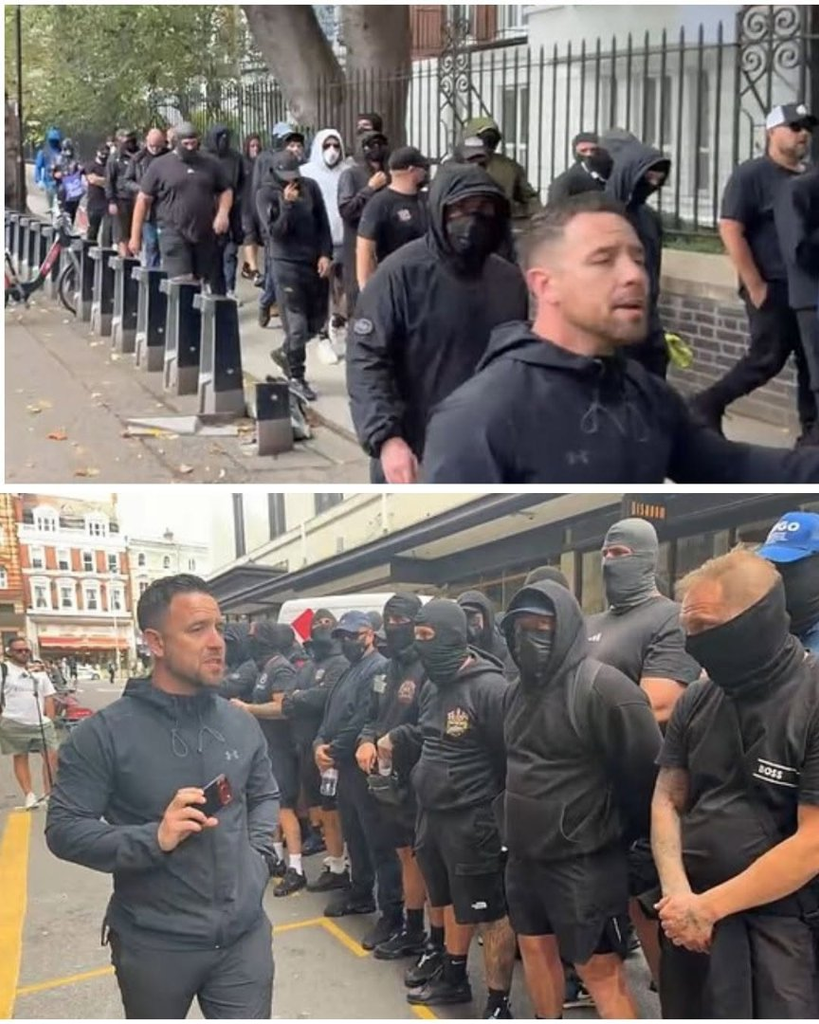
The anti-migration movement gathered again without Tommo as its members outlined what they called “Stage Two” of their campaign — an 18-month drive to expand, organise and investigate issues surrounding Britain’s borders and political establishment.
In a stark message directed at the Prime Minister, Home Secretary and Government, speakers insisted that Tommo’s detention would not bring their activities to an end.
“This movement will not disappear. It will grow,” the group declared.
“This is just the beginning of the Patriot Platform.”
‘Enough is enough’
At the centre of the group’s message was Britain’s continuing argument over small-boat crossings.
“This is Britain, a country with borders, a country with laws, a country where the people should feel safe,” a speaker told supporters.
The group accused successive politicians of failing to deliver promises to control Channel crossings and demanded stronger enforcement and greater accountability over border policy.
It also rejected suggestions that questioning immigration policy or demanding tougher border controls should automatically be treated as extremism.
“Asking questions is not extremism. Demanding accountability is not extremism,” the speaker said.
“And documenting what is happening is not going to stop because somebody gets arrested.”
‘Stage Two starts now’
Patriot Platform then revealed what it described as the next stage of its development.
After an initial recruitment phase, the organisation said it intended to spend the next 18 months attempting to become a more organised and active political movement.
The group pledged to research, document and investigate issues it believes politicians are failing to address.
“We will not rely on rumours. We will not rely on rage,” supporters were told.
“We will deal only in evidence.
We will research and we will document and we will investigate and we will organise.”
Where evidence of wrongdoing could be established, the group said it intended to publicise it and demand accountability from politicians.
Crucially, the speaker explicitly rejected violence.
“We are not calling for violence. We are not calling for a civil war,” the statement said.
Instead, the organisation said it wanted controlled borders, meaningful enforcement of the law and a political system in which ordinary citizens could challenge those in power.
‘You cannot silence millions’
The strongest language came as the group addressed those it believes are attempting to marginalise its supporters.
“You can ignore us. You can dismiss us. You can put labels on us,” the speaker said.
“But you cannot make the questions disappear.”
The organisation insisted that its campaign was bigger than Tommo himself and argued that his detention would not prevent supporters from continuing to organise.
“This is not about one person. It is not about one arrest,” the statement continued.
“It’s about whether ordinary British people still have the confidence to stand up and organise and demand accountability.”
The speech concluded with another declaration of intent.
“We will be watching. We will be researching. And we will be documenting.”
“Britain deserves secure borders. Britain deserves a government who cares about its own people. Britain deserves a voice.”
Tommo remains behind bars
The renewed activity comes while Tommo, whose real name is Daniel Thomas, remains in custody.
The 37-year-old founder of Patriot Platform has pleaded not guilty to criminal damage after allegedly slashing a dinghy in the English Channel on September 22 while an emergency responder was aboard.
He has also denied an allegation of failing to provide police with the PIN to his mobile phone.
A judge refused his bail application at Portsmouth Crown Court, and a provisional trial date has been set for March 1, 2027.
Tommo has therefore not been convicted of the criminal damage allegation, and claims from supporters that his prosecution is politically motivated remain their interpretation of the case rather than an established fact.
Can Patriot Platform grow without its founder?
Tommo’s absence now presents the movement with a significant test.
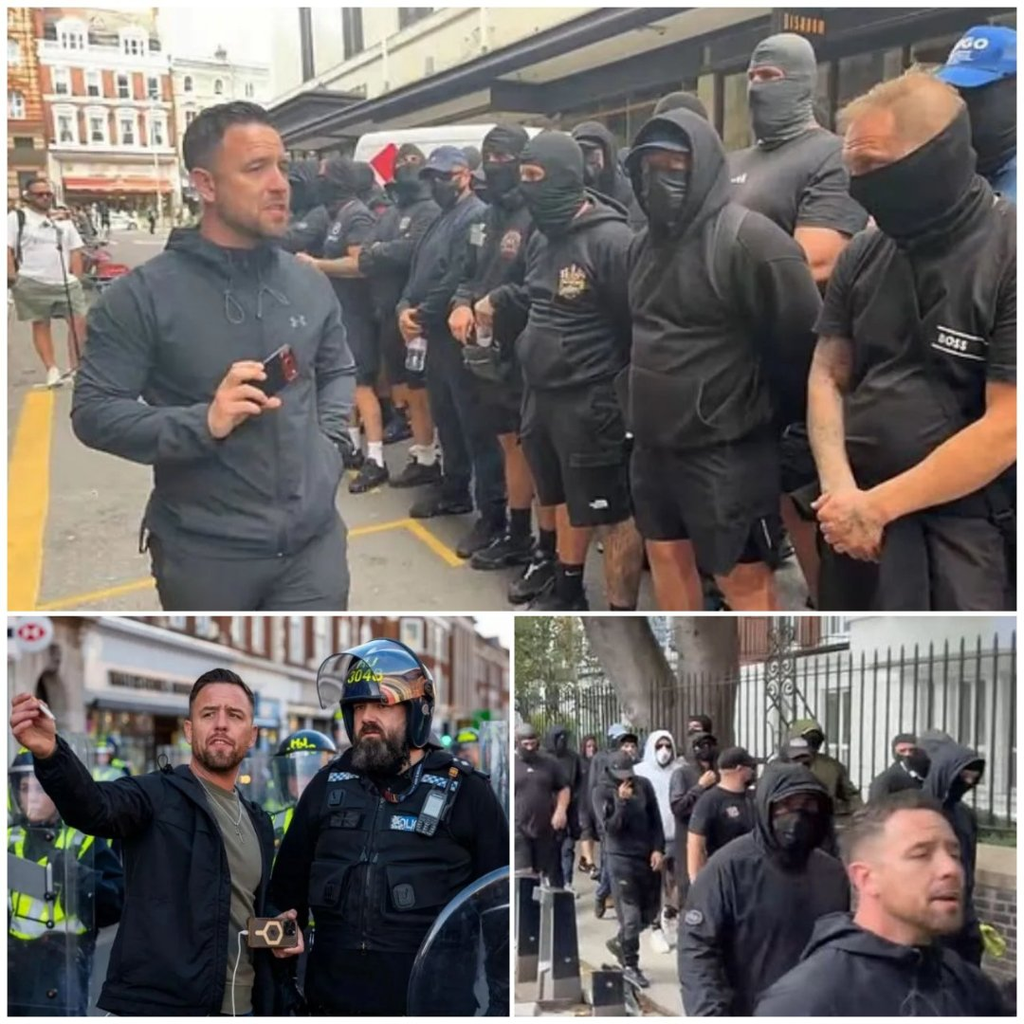
Patriot Platform has already demonstrated an ability to mobilise hundreds of supporters at anti-migration demonstrations.
Supporters have also continued gathering since its founder was remanded.
The commentary accompanying the latest speech claimed the organisation had doubled in size since Tommo’s detention, although no independently verified membership figures were provided to substantiate that claim.
What is clear is that the group is attempting to demonstrate publicly that its campaign is not dependent on one man.
Its latest message represents an effort to shift from demonstrations and recruitment towards a more organised campaign focused on research, documentation and political pressure.
Whether Patriot Platform can maintain that momentum during the months leading up to Tommo’s trial remains uncertain.
But the message delivered by its supporters was unmistakable: they insist they are not disappearing — and say the next stage of their campaign has only just begun.
EXPLOSIVE: Patriot Platform Fires Back After Danny Tommo Is Remanded — And Sends Government a Stark Warning!
The reported remand of Danny Tommo has brought renewed attention to Patriot Platform, with the organisation now at the centre of questions about free speech, political activism and the relationship between campaigners and the authorities.
The headline suggests that Patriot Platform has responded forcefully to Tommo’s legal situation and issued a warning to the government. The precise wording and circumstances of that response, however, need to be independently verified. What is clear is that a high-profile legal case involving a political activist can quickly become a wider debate about the boundaries of protest, public accountability and the rule of law.
For supporters, the situation may represent a moment requiring solidarity and clear answers. For critics, it raises questions about the conduct of political movements and the responsibilities that come with public influence. For the government, the challenge is to ensure that legal processes operate independently while responding to legitimate public concerns.
A Legal Development With Wider Political Implications
Being remanded in custody is a significant legal development, but it does not mean that a person has been convicted of an offence. Remand generally refers to a court decision to keep someone in custody while proceedings continue, although the circumstances and applicable rules depend on the case.
That distinction is essential when discussing Danny Tommo. Without verified information about the charges, the court’s reasoning and the next stage of proceedings, it would be inappropriate to draw conclusions about his guilt or the merits of the case.
Nevertheless, the situation has the potential to attract attention beyond the courtroom. When a person is associated with a political platform or activist network, legal developments can become part of a broader argument about the treatment of dissenting voices.
Supporters may question whether the circumstances have been explained adequately. Others may argue that the judicial process should be allowed to proceed without political pressure. Both perspectives should be assessed against the available evidence rather than assumptions about the motives of the authorities.
The fundamental principle remains the same: legal decisions should be examined through the facts, the applicable law and the evidence presented in court.
Patriot Platform’s Reported Response
The suggestion that Patriot Platform has fired back indicates a potentially confrontational response to Tommo’s remand. If the organisation has issued a statement, the exact wording matters.
There is a substantial difference between criticising a legal decision, demanding greater transparency and accusing officials of deliberately targeting an individual. Each claim requires a different level of evidence.
A public statement could seek clarification about the proceedings, call for supporters to remain engaged or argue that the case raises broader questions about political freedom. Alternatively, it might focus on the organisation’s determination to continue its activities despite the controversy.
Without a verified statement, however, specific quotations or threats should not be attributed to Patriot Platform.
The most useful way to evaluate its response is to consider what it actually demands. Is it calling for information about the case? Is it challenging a particular decision? Is it proposing lawful political action? Or is it making allegations that can be tested against documentary evidence?
Those distinctions would help establish whether the dispute concerns a specific legal decision or a much broader disagreement about the relationship between the state and political activism.
What Could a Warning to the Government Mean?
Political organisations frequently use strong language when challenging decisions they believe are unfair. A warning to the government might refer to further public campaigning, demonstrations, legal challenges or efforts to persuade elected representatives to intervene.
Such activities can form part of ordinary democratic participation, provided they remain within the law. Citizens and organisations have legitimate avenues for criticising public institutions and demanding explanations.
However, the meaning of a particular warning cannot be established from a headline alone. It would be misleading to suggest that Patriot Platform has threatened a specific action unless the organisation’s actual words support that interpretation.
The distinction between political pressure and unlawful conduct is also important. Peaceful protest, public criticism and lawful campaigning are different from intimidation or violence. A responsible assessment must examine the conduct involved rather than treating every forceful political statement as evidence of a threat.
The government, meanwhile, should respond to substantiated concerns through appropriate channels. Public officials can explain policy and defend decisions, but they should not attempt to determine the outcome of an individual court case.
Free Speech and the Rule of Law
The controversy touches on a longstanding democratic tension: how can a society protect robust political expression while ensuring that legal rules apply fairly to everyone?
Free speech allows people to criticise the government, challenge institutions and express unpopular opinions. Political activism can draw attention to matters that might otherwise receive little public scrutiny. These freedoms are important precisely because disagreement with those in power is an ordinary feature of democratic life.
But freedom of expression does not eliminate legal responsibilities. The circumstances of an individual case must be considered under the relevant law, and allegations should be tested through the appropriate legal process.
It is equally important that the state does not treat criticism itself as proof of wrongdoing. Any legal action must rest on the relevant facts and legal grounds, not merely on whether an individual or organisation has expressed an unpopular position.
This is why transparency and due process matter. Clear explanations, independent judicial oversight and accurate reporting help maintain public confidence, particularly when a case becomes politically contentious.
Neither an activist organisation nor the government should be able to replace evidence with rhetoric.
The Pressure on Political Organisations
A legal controversy involving a prominent figure can also create organisational challenges. Supporters may demand frequent updates, while members and organisers may disagree over how the platform should respond.
Some may favour a highly visible campaign designed to keep attention on the case. Others may prefer a more restrained approach that avoids making claims before the facts are established.
These choices can affect public perceptions. An organisation that communicates clearly and distinguishes verified information from speculation may find it easier to retain credibility. One that relies on unsupported accusations risks distracting attention from legitimate questions.
For Patriot Platform, the immediate priorities would be to clarify its position, explain any proposed actions and avoid presenting allegations as established facts. If it believes a legal decision deserves scrutiny, it can identify the specific issues it wants examined and explain the basis for its concerns.
That approach would allow supporters and observers to assess the organisation’s arguments on their merits.
The Government Must Avoid Political Interference
The government also faces responsibilities when a legal case becomes the subject of intense public debate.
Ministers may be asked to comment, particularly if the individual involved has a substantial following or the case becomes connected to wider political disputes. However, public commentary should not undermine the independence of the courts or create the impression that the executive is directing a particular outcome.
Where questions concern policing, prosecution or detention, explanations should be grounded in the relevant legal framework and the facts that can appropriately be disclosed.
There may be limits on what authorities can say while proceedings are active. Those limits should be explained clearly rather than filled with speculation.
Public confidence depends not on officials winning a political argument, but on people being able to see that procedures are followed consistently and that decisions can be scrutinised through lawful mechanisms.
What Happens Next?
The next significant developments will depend on the verified details of Danny Tommo’s case and any formal response from Patriot Platform.
Important questions include the precise legal basis for the remand, the timetable for further proceedings, the organisation’s published position and whether it intends to pursue any lawful challenge or campaign.
Until those details are confirmed, claims about a dramatic confrontation or a government ultimatum should be treated cautiously.
The case nevertheless illustrates how quickly an individual legal matter can become a wider political dispute. It brings together questions about individual rights, public accountability, political communication and the independence of the justice system.
Patriot Platform may seek to turn the controversy into a broader campaign, while government representatives may face pressure to explain the circumstances without interfering in judicial proceedings. The public, meanwhile, needs reliable information rather than competing claims presented as settled fact.
Ultimately, the most important test will be whether all parties respect due process, communicate responsibly and allow evidence to determine the issues at stake. Strong political language may command attention, but the facts of the case will matter far more than the headlines surrounding it.