

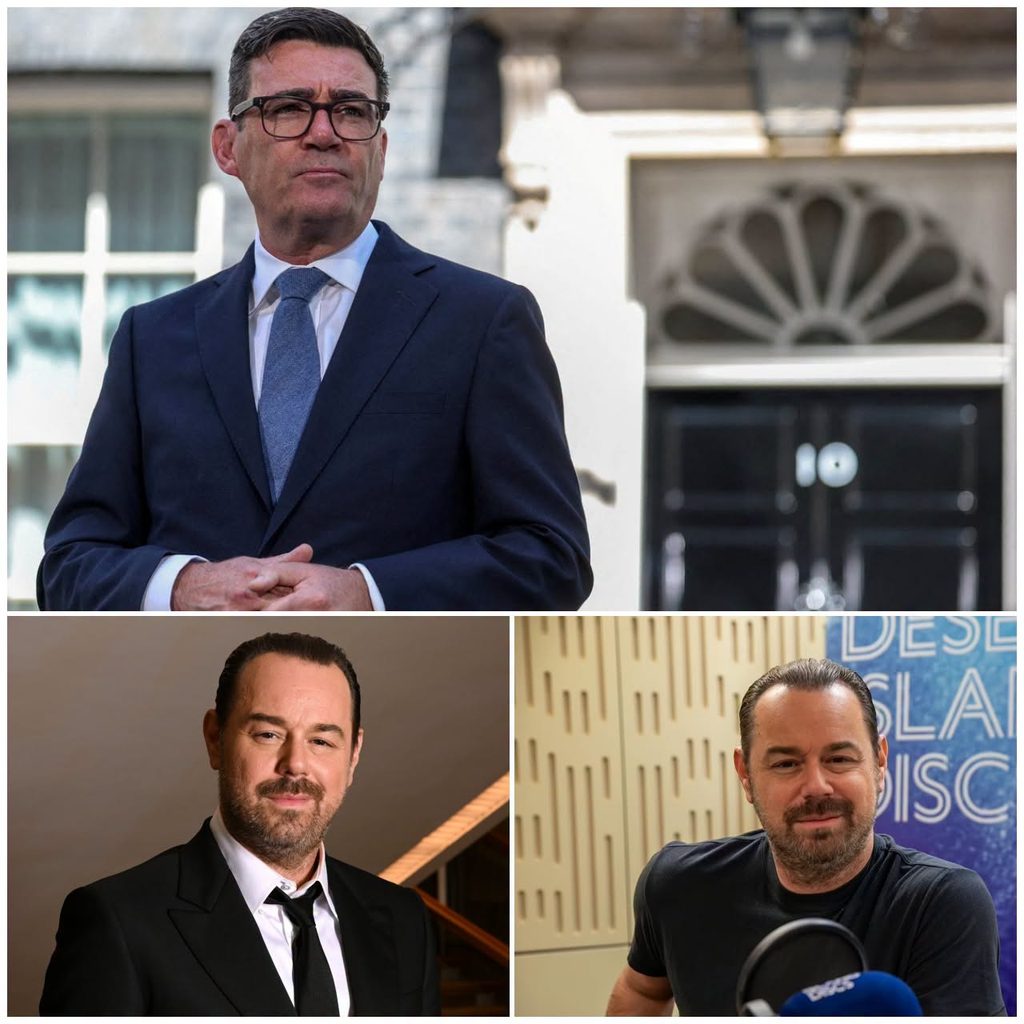
Danny Dyer has unexpectedly found himself at the centre of a political controversy after a BBC interview at an environmental protest turned into an expletive-filled attack on Britain’s political leadership.
The actor questioned who had voted for Prime Minister Andy Burnham and expressed anger at successive governments, producing a viral moment that quickly travelled far beyond the original campaign about sewage and water ownership.
But the complete context is important: the most explosive exchange was not originally broadcast as an uncensored live-TV confrontation.
Danny Dyer went to the Kent coast to talk about sewage.
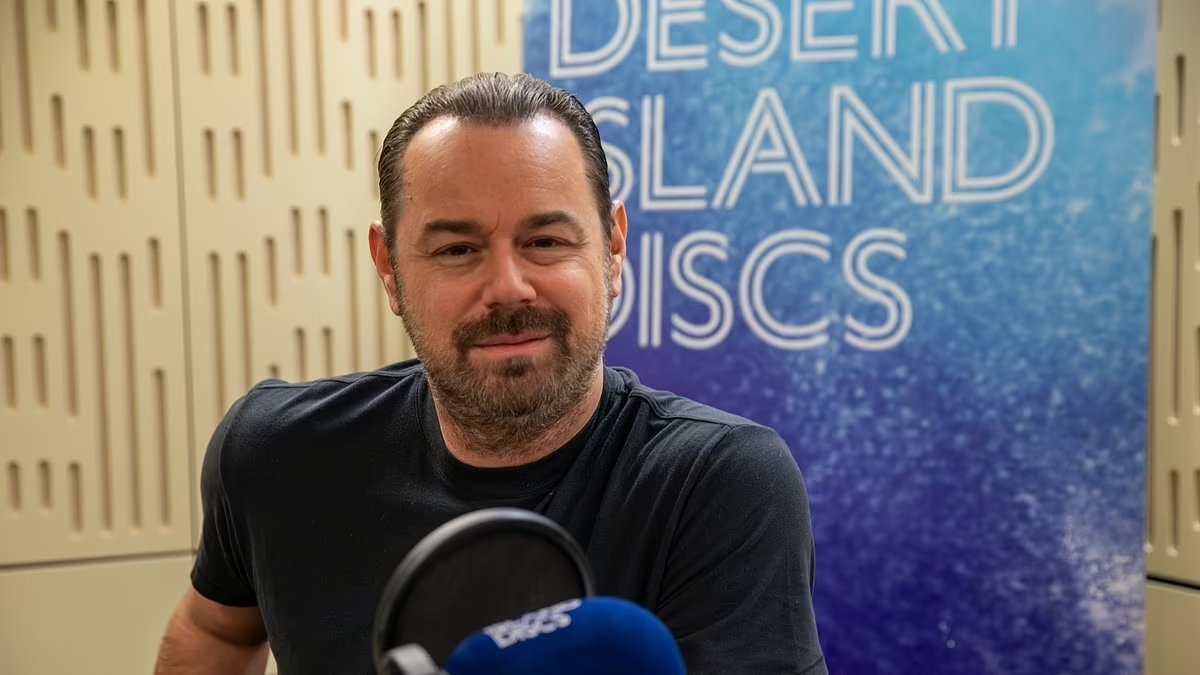
He ended up talking about the Prime Minister.
The actor, famous for EastEnders and more recently Rivals, was attending a Surfers Against Sewage demonstration in Leysdown-on-Sea alongside his daughter Dani Dyer and singer Becky Hill.
The campaigners were demanding that Britain’s water industry be returned to public ownership, with more than 315,000 people having signed a supporting petition.
Dyer has also been involved with a caravan park nearby, giving him a direct connection to the area.
When BBC political reporter Michael Keohan asked Dyer whether he had a message for Prime Minister Andy Burnham, however, the conversation abruptly changed.
Dyer initially responded that he did not know who the Prime Minister was.
When Burnham’s name was put to him, the actor questioned who he was and whether anybody had actually voted for him.
What followed was a profanity-heavy criticism of Britain’s recent political leadership.
And within hours, the clip had become a political story of its own.
“Did Anyone Vote for Him?”
Dyer’s question touched on something larger than his personal opinion of Burnham.
He appeared to be challenging the legitimacy of a system in which somebody can become Prime Minister without the public directly voting for that individual to hold the office.
That sentiment is politically powerful.
Constitutionally, however, Britain does not directly elect its prime ministers.
Voters elect Members of Parliament in individual constituencies.
A Prime Minister normally holds office because they lead a government capable of commanding confidence in the House of Commons.
That means a governing party can change leader — and consequently Prime Minister — without automatically holding another general election.
Burnham became Prime Minister earlier this year and delivered his first Commons speech in the role on September 1.
Dyer’s complaint therefore represents a political argument about democratic mandates rather than evidence that Burnham’s premiership is constitutionally invalid.
What Did Dyer Actually Say?
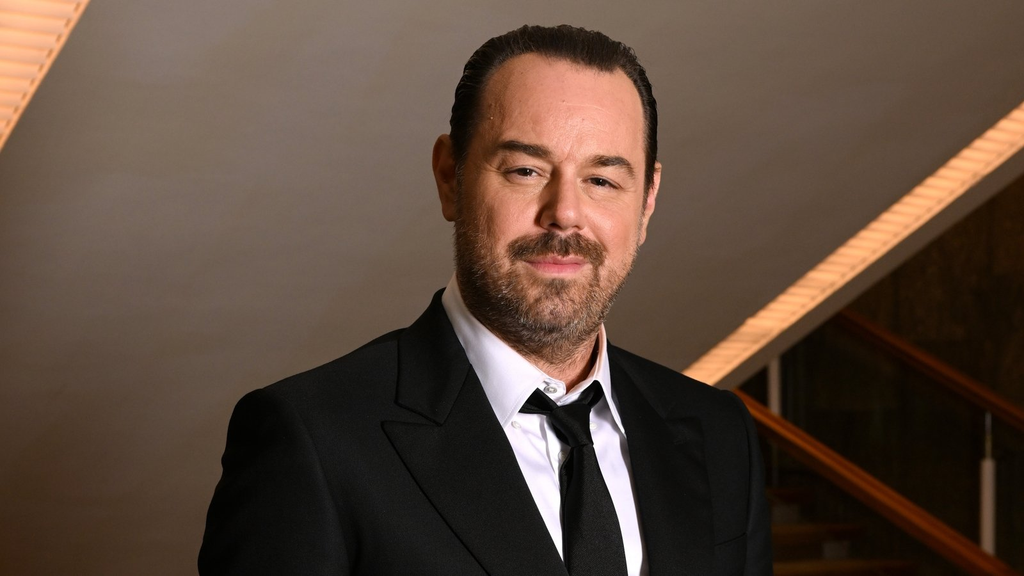
The verified footage shows Dyer using strong language about successive prime ministers and expressing frustration with Britain’s political establishment.
Reports of the exchange quote him questioning Burnham’s identity and asking whether anyone voted for him before broadening his attack to recent national leadership.
The precise distinction matters because viral versions of the story have increasingly described the exchange as an attack on “the elites” or a complete denunciation of Britain’s political system.
Those descriptions may capture how some viewers interpreted Dyer’s comments.
They should not automatically be treated as verbatim quotations unless supported by the original footage.
Dyer has certainly expressed anti-establishment views before.
But a responsible account should separate his actual words in this interview from political messages subsequently attached to the clip online.
Was His Microphone Cut?
Another dramatic version of the story suggests Dyer was suddenly silenced during a live BBC broadcast.
The available reporting does not support that interpretation.
The BBC interviewed Dyer at the protest and used material from the event in its coverage.
But the profanity-filled political exchange was shared online by BBC reporter Michael Keohan rather than being shown uncensored as part of the original television report.
That is considerably different from a broadcaster deliberately cutting someone’s microphone because of political criticism.
There is no clear evidence in the available reporting that the BBC stopped Dyer from speaking because he attacked the Government.
In fact, the reporter subsequently making the footage public undermines the idea that the exchange was being secretly suppressed.
The Protest Was Actually About Water
The political controversy also risks obscuring why Dyer was there in the first place.
Surfers Against Sewage organised the demonstration as part of its campaign against pollution and for public ownership of water companies.
Dyer said he had become increasingly aware of sewage pollution while working near the coast.
He described being able to smell an unpleasant “twang” while looking out to sea and criticised the condition of Britain’s water system.
LBC reported that campaigners pointed to 7,280 incidents during the first five months of 2026 in which water companies in England and Wales discharged sewage, chemicals or other pollutants on days with little or no rainfall.
So the original political question was not about immigration, taxation or Westminster personalities.
It was about who should control essential infrastructure and whether Britain’s water system is serving the public effectively.
Dyer’s answer transformed it into something much broader.
Why Did the Clip Resonate?
The reaction demonstrates the unusual political power of celebrities who are perceived as speaking without the caution normally associated with Westminster.
Dyer does not communicate like a government minister.
He uses profanity, humour and deliberately blunt language.
For supporters, that can make his frustration sound more authentic than carefully prepared political messaging.
For critics, the same quality can make complicated constitutional and political questions appear deceptively simple.
His question — “Did anyone vote for him?” — is a good example.
As an expression of frustration, it is immediately understandable.
As a literal description of how Britain’s parliamentary democracy works, it requires much more context.
Burnham was not directly elected Prime Minister by the national electorate.
Neither are other British prime ministers.
Burnham Responds
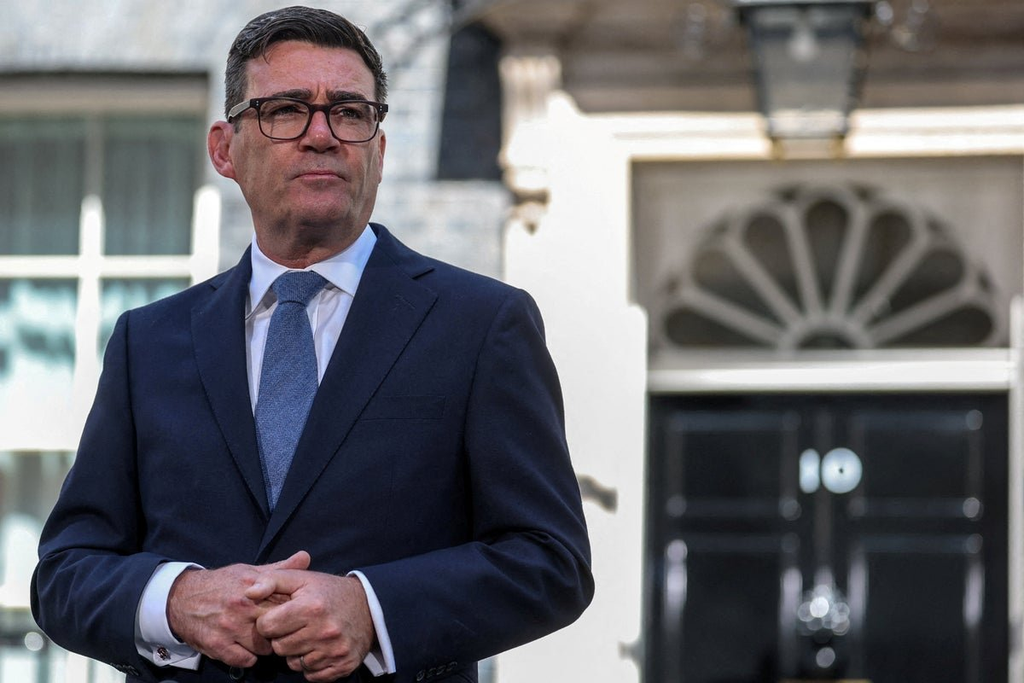
The Prime Minister subsequently responded with humour rather than launching a major confrontation.
Asked about Dyer’s comments, Burnham said he was “not sure” who Dyer was either.
Reports also noted the football connection: Dyer’s daughter Dani is married to England and West Ham footballer Jarrod Bowen.
The response helped prevent what could have become an extended personal argument.
But it did not answer the broader sentiment behind Dyer’s comments.
Distrust of political institutions has become an increasingly important feature of British politics.
Different groups blame different institutions and policies, but frustration with Westminster has become fertile territory for parties, campaign organisations and public personalities willing to portray themselves as outsiders.
An Anti-Establishment Voice
Dyer’s latest intervention is also not completely out of character.
He has previously criticised political leaders and spoken about class inequality and Britain’s social divisions.
His political commentary tends to focus less on detailed policy programmes and more on a broader feeling that ordinary people have been poorly served by powerful institutions.
That does not make his interpretation objectively correct.
Nor does celebrity provide special political expertise.
But celebrities can articulate frustrations that already exist among sections of the public — and sometimes reach audiences politicians struggle to reach.
That appears to be what happened here.
The Viral Version Versus the Real Story
The most interesting part of the episode may therefore be how quickly an unusual interview became something larger.
The verified story is already dramatic enough.
Danny Dyer attended an environmental demonstration, was asked about the Prime Minister and delivered a heavily profane criticism of Britain’s political leadership while questioning Burnham’s mandate.
The additional claims require more caution.
There is no solid basis for presenting the incident as an uncensored live-TV meltdown abruptly terminated by the BBC.
And political interpretations describing Dyer as declaring war on a particular group of “elites” should not be placed inside quotation marks unless those exact words can be established from the original exchange.
Bigger Than One Interview
For Burnham, the episode is unlikely to represent a major political crisis on its own.
For Dyer, it reinforces his reputation as an unusually outspoken celebrity.
But the reaction to the footage says something more interesting about Britain.
A conversation about sewage became a national political story because Dyer articulated a basic question about who governs the country and how that person acquired authority.
The constitutional answer is straightforward: Britain elects Parliament rather than directly electing a prime minister.
The political answer is more complicated.
Governments ultimately depend not merely on constitutional authority but on public confidence that the political system represents the people it governs.
Danny Dyer’s viral intervention does not prove that Britain has rejected its political establishment, nor does it establish that Andy Burnham lacks constitutional legitimacy.
What it does reveal is how quickly frustration with individual policies can become frustration with the political system itself.
And perhaps the greatest irony is that none of this was supposed to be the day’s headline.
Dyer had gone to the beach to talk about sewage.