

A primary point of contention centers on a recent UK government green paper titled “Watch this space: a new strategic direction for UK media.” The proposal outlines plans to compel social media companies and search engines to prioritize content from designated “trustworthy sources” in their algorithms. The government explicitly named public service broadcasters like the BBC, ITV, and Channel 4 as beneficiaries of this proposed prioritization.
The US administration strongly rebuked the proposal. In a statement published via the US Embassy in London, the White House challenged the mechanics of the plan, asking how the UK government intends to designate which media outlets qualify as “trustworthy.” The statement warned that any system encouraging the government to dictate which sources receive preferential visibility risks leading to “viewpoint-based censorship.”
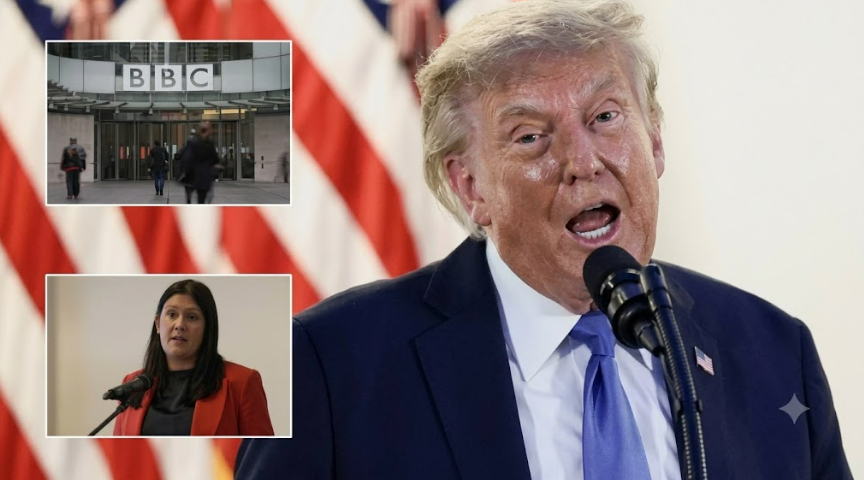
The US government argued that algorithmically boosting government-preferred media has the practical effect of suppressing disfavored speakers, a consequence they assert is “not meaningfully different than outright removal.” Noting that the vast majority of affected platforms are US-based, the administration expressed concern over potential overreach that could alter how British citizens receive information from American media outlets and independent journalists. US officials characterized the policy as potentially facilitating the “extra censorship of protected speech by Americans online.”
The media regulation dispute compounds existing friction regarding the Chagos Islands. Despite apparent pressure from the US, UK Defence Secretary Wes Streeting recently confirmed in a letter to his Conservative counterpart that the Labour government remains committed to the current agreement regarding the islands. Streeting argued the deal is the best way to secure the long-term operations of the critical joint US-UK military base on Diego Garcia and protect it from legal challenges.
However, the agreement—which critics characterize as a “surrender”—has faced direct opposition from US President Donald Trump. In a recent statement, Trump criticized the handling of the islands, stating, “They gave it over to people that shouldn’t really have it… it was terrible.” Trump suggested the agreement hindered military logistics, claiming forces had to fly planes “much further than necessary” because the UK “wasn’t able to give it to us.” Trump indicated he expects the new UK Prime Minister, Andy Burnham, to review the arrangement.
The dual controversies highlight a growing rift between the US administration and the Labour government. Conservative critics within the UK have seized on the US pushback, arguing that the Chagos deal signals geopolitical weakness—citing renewed Argentinian interest in the Falkland Islands as a consequence—and that the media green paper represents an authoritarian overreach designed to artificially prop up state-aligned broadcasters like the BBC.
As the consultation period for the media green paper closes, the UK government faces significant pressure from its closest ally to clarify or abandon policies the US views as hostile to free speech and international security interests.
Diplomatic Tensions Escalate Between the United States and Britain’s Labour Government
Relations between the United States and Britain’s Labour government are facing renewed scrutiny as disagreements over policy, security and the future direction of the transatlantic partnership raise questions about the strength of one of the Western world’s most important alliances.
For decades, the relationship between Washington and London has been built on close military cooperation, intelligence sharing, trade, diplomatic coordination and a common commitment to maintaining international security. Yet even longstanding allies can find themselves at odds when their governments pursue different priorities or disagree over how to respond to international crises.
For Britain’s Labour government, maintaining a productive relationship with the United States is particularly important. The American partnership supports the UK’s defence capabilities, influences its economic prospects and gives British leaders a significant channel through which to shape international decisions. At the same time, the government must demonstrate that Britain can make independent choices in line with its own national interests.
This creates a difficult balancing act. London must preserve cooperation with Washington without appearing to surrender its freedom of action, while American leaders may expect the British government to demonstrate greater alignment on issues they consider strategically important.
The extent of any current diplomatic dispute depends on the specific policies and statements involved. Nevertheless, the broader relationship faces several important tests that could influence its direction for years to come.
A Special Relationship Under Pressure
The phrase “special relationship” has long been used to describe the close connections between Britain and the United States. Its practical foundations include intelligence cooperation, military planning, NATO membership, nuclear defence arrangements and extensive economic ties.
However, the relationship has never meant that both governments agree on every issue. Different administrations have disagreed over trade, military intervention, international law, climate policy and relations with other major powers.
The political backgrounds of leaders can also shape the tone of bilateral relations. A British government may place particular emphasis on multilateral institutions, diplomatic engagement and cooperation with European partners, while an American administration may prioritise different approaches to trade, security or international negotiations.
Such differences do not automatically constitute a diplomatic crisis. They become more consequential when disagreements affect practical cooperation, lead to public criticism or undermine confidence between senior officials.
For the Labour government, the challenge is to ensure that disagreements do not weaken essential areas of collaboration. For Washington, maintaining a close partnership with Britain can provide diplomatic influence, military coordination and a valuable ally in European affairs.
Both sides therefore have reasons to prevent political disputes from damaging the wider relationship.
Defence and NATO Remain Central
Security cooperation is one of the most important elements of the US-UK partnership. Both countries are members of NATO and cooperate on intelligence, military technology, training and defence planning.
The changing international security environment has increased pressure on European governments to assess their defence spending and military readiness. Russia’s war against Ukraine, instability in the Middle East and growing strategic competition involving China have all contributed to a more demanding security landscape.
Washington has repeatedly encouraged European allies to take greater responsibility for their own defence. British governments, regardless of political affiliation, have had to consider how the UK should contribute to NATO while managing competing demands on public finances.
For Labour, defence policy involves difficult decisions about military readiness, procurement, personnel and the long-term sustainability of spending commitments. These choices affect not only relations with Washington but also Britain’s credibility among European allies.
Disagreements could arise if American officials believe the UK is not contributing sufficiently to shared security objectives or if British leaders consider particular American demands incompatible with domestic priorities.
However, defence cooperation is supported by longstanding institutions and operational arrangements. A political disagreement does not necessarily translate into an immediate breakdown in military collaboration.
The key question is whether differences can be managed through established diplomatic and defence channels before they affect practical cooperation.
Trade and Economic Interests Complicate the Picture
Economic relations are another important source of both cooperation and potential friction. The United States is a major trading partner for the United Kingdom, with extensive commercial links involving financial services, technology, manufacturing, pharmaceuticals, energy and investment.
British businesses benefit from access to American markets, while US companies have substantial interests in the UK economy. These connections create strong incentives for both governments to maintain predictable economic relations.
Yet the two countries may disagree over tariffs, industrial subsidies, regulatory standards, digital policy and the treatment of particular industries. Changes in American trade policy can have consequences for British exporters, while UK regulatory decisions may affect American firms operating in Britain.
For the Labour government, the difficulty is to secure economic opportunities without making commitments that conflict with its wider domestic programme. Ministers must also consider the effects of international trade decisions on employment, investment and prices.
A deterioration in diplomatic relations could complicate negotiations or increase uncertainty for businesses. Even without formal restrictions, public disagreements between governments may prompt companies to reassess risks associated with particular markets.
Conversely, successful negotiations could demonstrate that political differences need not prevent practical cooperation.
The future of the economic relationship will therefore depend on specific decisions rather than rhetoric alone.
Ukraine and European Security
The war in Ukraine remains a significant test of transatlantic coordination. Britain and the United States have both supported Ukraine, although their approaches to diplomacy, military assistance and the terms of any future settlement may not always be identical.
The conflict has wider implications for European security. Governments must consider how to deter further aggression, maintain military readiness and provide assistance without allowing the conflict to expand.
Labour faces the challenge of sustaining Britain’s role in European security while maintaining cooperation with Washington. If American and British leaders differ over the pace or conditions of diplomatic negotiations, they may face pressure from domestic audiences and international partners to explain their positions.
A durable settlement would require difficult negotiations over security guarantees, territorial questions and the future relationship between Ukraine and Russia. Any proposed agreement could produce disagreement among allies about what compromises are acceptable and how a lasting peace should be enforced.
Nevertheless, differences over diplomatic strategy should not automatically be interpreted as a complete rupture in the alliance. Governments can disagree over methods while continuing to share broad security objectives.
The important issue is whether those disagreements are addressed through consultation and whether allies can maintain sufficient coordination to avoid creating uncertainty about their commitments.
Middle East Policy Presents Another Challenge
The Middle East has also been a source of diplomatic difficulty for Western governments. Conflicts in the region generate competing demands involving civilian protection, regional security, counterterrorism, humanitarian assistance and international law.
British and American leaders may face different domestic pressures when responding to these crises. Public opinion, parliamentary debate, relations with regional governments and concerns about escalation can all influence their decisions.
The Labour government must weigh Britain’s security interests and international partnerships against its legal obligations and public expectations. Washington must consider its own strategic commitments and relationships across the region.
Disagreement over military action, arms transfers, sanctions or diplomatic recognition can become particularly sensitive when statements by political leaders are interpreted as criticism of an ally.
At the same time, the two governments have an interest in maintaining channels for consultation. Intelligence sharing, regional diplomacy and efforts to prevent wider conflict can remain important even when their public positions differ.
The specific impact of any dispute depends on the decisions taken and whether it affects cooperation in practice.
Labour’s Domestic Priorities Shape Its Foreign Policy
Britain’s foreign policy cannot be separated entirely from the government’s domestic agenda. Labour must address economic growth, public services, energy security, housing and the condition of public finances while also maintaining international commitments.
These priorities can create competing pressures. Higher defence spending may require difficult budget choices, while trade negotiations may involve decisions about regulation, investment and market access. International crises can also place unexpected demands on government resources.
The government must explain how its approach to foreign affairs supports Britain’s long-term interests. That includes maintaining security partnerships while protecting the country’s ability to make independent decisions.
Domestic politics can further complicate diplomatic relations. Statements made to satisfy voters at home may be interpreted abroad as signals of a change in policy. Equally, concessions made during international negotiations can become controversial if critics believe the government has sacrificed national interests.
Labour therefore faces the task of communicating a consistent position to both domestic and international audiences.
A clear strategy can help reduce misunderstandings, but it cannot eliminate genuine differences between allied governments.
Could Diplomatic Tensions Affect British Foreign Policy?
A prolonged deterioration in relations with Washington would present practical challenges for the UK. Cooperation with the United States is relevant to intelligence, military capabilities, technology, sanctions, trade and diplomatic influence.
However, Britain’s international relationships are not limited to one country. The UK also works closely with European allies, Commonwealth partners and other states through bilateral agreements and multilateral organisations.
The government may seek to strengthen European cooperation in areas such as defence production, energy security and trade while preserving the transatlantic partnership. Such efforts need not represent a choice between Washington and Europe.
Indeed, a stronger European contribution to NATO could complement the alliance by increasing the capabilities available to all members. The political difficulty lies in ensuring that efforts to broaden cooperation are not interpreted as an attempt to weaken existing commitments.
For British ministers, the most effective approach would be to identify areas where cooperation remains mutually beneficial and address disagreements through direct engagement.
For American officials, a stable relationship with Britain offers continued access to a close European partner with significant diplomatic, intelligence and military capabilities.
Both governments have incentives to prevent temporary disputes from turning into lasting strategic divisions.
What Happens Next?
The future direction of US-UK relations will depend on concrete decisions in several areas: defence commitments, trade negotiations, support for Ukraine, Middle East policy and the wider approach to international security.
Public statements can influence the atmosphere between governments, but the most important evidence will be found in policy decisions, formal agreements and the continued operation of shared institutions.
If disagreements remain confined to rhetoric or specific policy questions, both sides may be able to manage them without serious long-term consequences. If they begin affecting intelligence cooperation, military planning or major economic arrangements, the stakes would be considerably higher.
The Labour government must show that it can defend British interests while maintaining constructive relations with Washington. American leaders, meanwhile, must decide how to balance their expectations of Britain with the realities of domestic politics and the UK’s own strategic priorities.
Neither country benefits automatically from turning every disagreement into a public confrontation. Diplomatic engagement offers a way to establish where differences are genuine, identify possible compromises and preserve cooperation where interests overlap.
A Relationship That Will Require Careful Management
The US-UK partnership has survived changes of government, international crises and significant policy disagreements. Its durability rests not only on shared history but also on practical cooperation that serves the interests of both countries.
That does not mean the relationship is immune to pressure. Differences over trade, defence spending, international conflicts and diplomatic priorities can create uncertainty, especially when public criticism makes compromise more difficult.
For Labour, the central task is to maintain Britain’s international credibility while demonstrating that its foreign policy reflects decisions made in the national interest. For Washington, preserving close ties with London requires recognising both the value of the partnership and the fact that allies will not always agree.
The coming period will reveal whether current tensions can be managed through negotiation or whether specific disputes will lead to more substantial changes in cooperation.
For now, the most useful way to assess the relationship is to distinguish political rhetoric from measurable developments. Formal agreements, defence commitments, trade arrangements and diplomatic actions will provide a clearer picture than dramatic predictions of an imminent breakdown.
The special relationship may face difficult questions, but its future will ultimately be determined by the choices both governments make—and by their willingness to keep communicating when their priorities diverge.