

Toby Codd
Updated
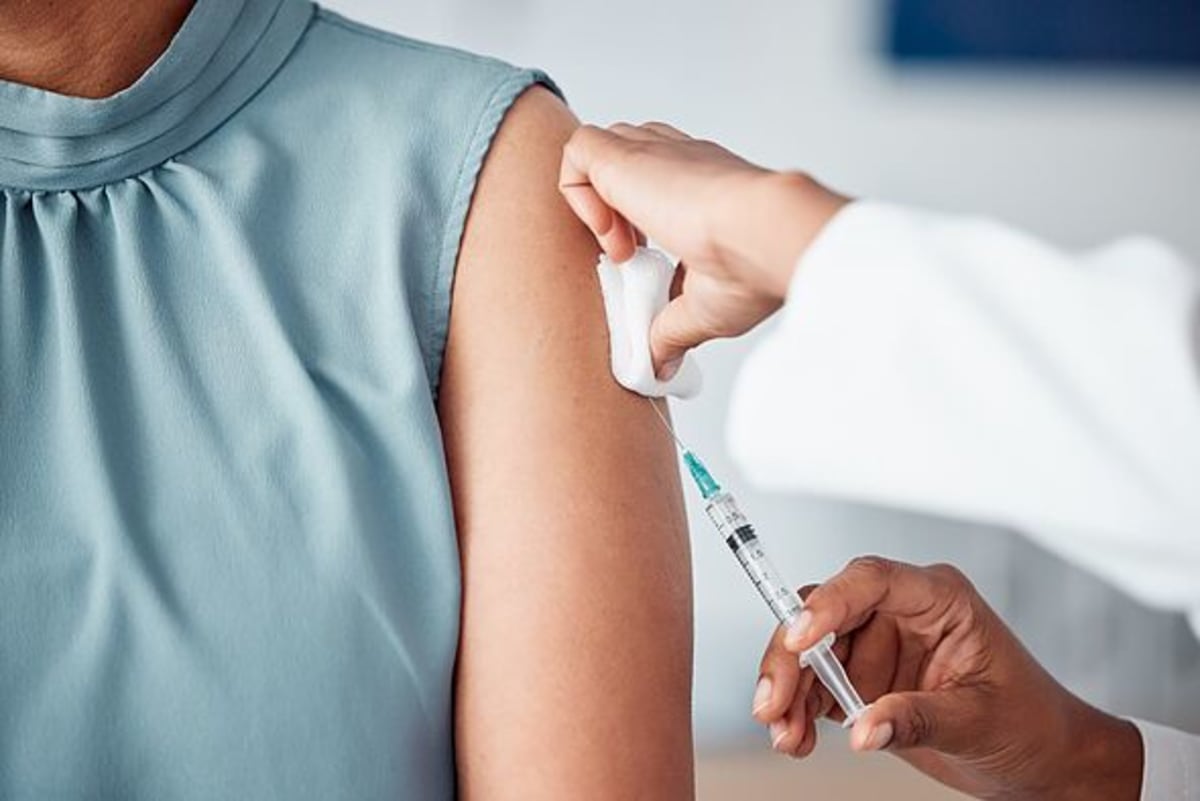
Official NHS guidance explains how most people are eligible for the jab, apart from two specific groups of people.
The NHS is currently rolling out its free winter flu vaccine across the UK. The first phase started on September 1, with initial doses prioritised for pregnant women and children, while the second phase began on October 1 and expanded the vaccine programme to all eligible adults, including those aged 65 and over. However, there are two groups of people who the health service advice against receiving the jab this winter.
The closing date to book the vaccine online is March 30, 2027, while the final date to receive the vaccine in the current programme is March 31. The NHS explains how most people are eligible for the jab, including adults and children, carers, pregnant women, and close contacts of immunocompromised individuals.
However, you cannot have the vaccine if you have had a serious allergic reaction to a previous dose. Likewise, anyone with a high temperature is urged not to get the jab.
The NHS website states: “Most people who are eligible for the flu vaccine can have it. You only cannot have the vaccine if you’ve had a serious allergic reaction (anaphylaxis) to a previous dose of the vaccine or an ingredient in the vaccine.”
It adds: “If you have a high temperature, wait until you’re feeling better before having your flu vaccine.”
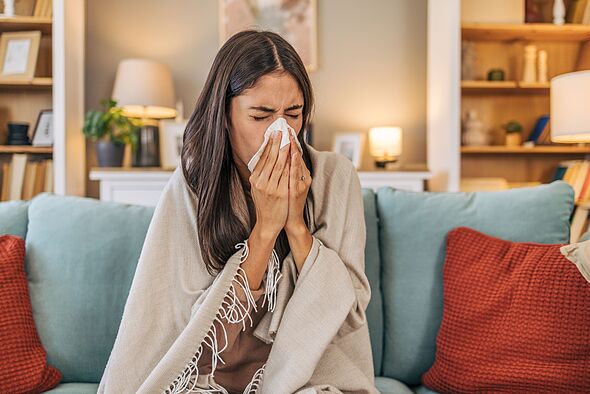
The vaccine helps protect against the flu and is offered by the NHS every autumn or winter. It is recommended for people at higher risk of getting seriously ill from flu.
You can get the free NHS flu vaccine if you:
- are aged 65 or over (including those who will be 65 by 31 March 2027)
- are aged 18 to 64 and have certain long-term health conditions
- are pregnant – you can have a flu vaccine during any stage of pregnancy
- live in a care home
- are the main carer for an older or disabled person, or receive a carer’s allowance
- live with someone who has a weakened immune system
- are aged 16 or over and rough sleeping or staying in a homeless hostel or night shelter
Meanwhile, frontline health and social care workers should receive the vaccine through their employer. If you can’t, the NHS advises contacting your pharmacy or GP surgery.
The NHS continues: “You can have the flu vaccine at the same time as other vaccines such as the COVID-19 and shingles vaccines.
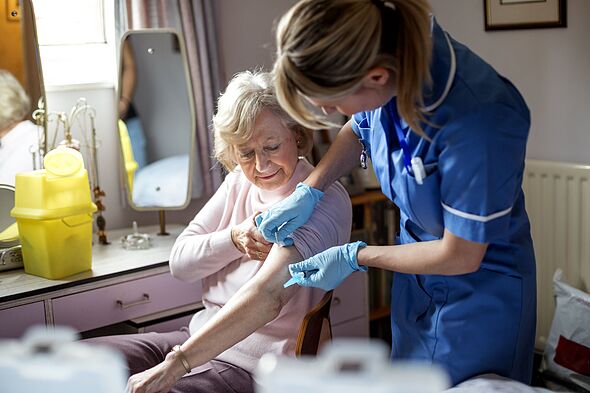
“If you’re pregnant, you can have it at the same time as other pregnancy vaccinations, such as the RSV vaccine (from 28 weeks) and whooping cough vaccine.
“It’s not usually given to older adults at the same time as the RSV vaccine, but you can have them at the same time if a doctor or nurse thinks it’s needed.”
There are some side effects of the vaccine, including pain or soreness where the injection was given, a raised temperature, and an aching body. More serious side effects such as a severe allergic reaction are very rare.
The NHS adds: “The flu vaccine aims to protect you against the most common types of flu viruses. There’s still a chance you might get flu after getting vaccinated, but it’s likely to be milder and not last as long.
“The vaccine usually takes up to 14 days to work. Protection from the flu vaccine goes down with time and the types of flu virus the vaccine protects against are updated each year. This is why it’s important to get the flu vaccine every year.”