
MPs Debate Ban on Halal and Kosher Slaughter After 109,000 Sign Petition

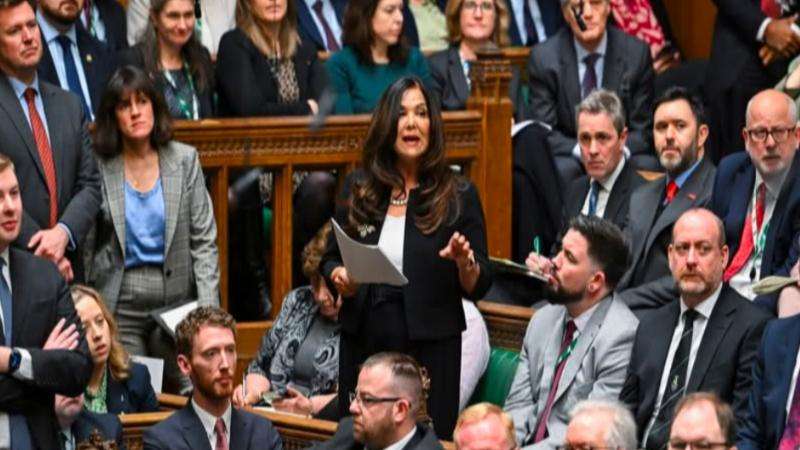
A major debate over animal welfare and religious freedom has taken place in Westminster after more than 109,000 people signed a petition calling for a ban on slaughtering animals without prior stunning.
The petition, which attracted 109,018 signatures before closing in May 2025, called for non-stun slaughter to be prohibited in the United Kingdom. It argued that animals should receive greater protection and described slaughter without stunning as incompatible with modern animal-welfare standards. The issue was subsequently debated by MPs in Parliament.
The controversy centres on the religious traditions surrounding halal and kosher meat. Under UK law, animals are generally required to be stunned before slaughter, but an exemption allows animals to be killed without prior stunning when this is required by certain religious rites. The debate has therefore raised difficult questions about where Britain should draw the line between animal welfare and religious freedom.
The parliamentary discussion did not result in an immediate vote to ban the practice. The UK Parliament’s Petitions Committee made clear that petition debates are general debates rather than votes to implement the petition’s request. MPs were instead given an opportunity to discuss the issue and question the Government about its position.
That distinction is important because the debate itself does not mean that a ban has been approved or that legislation is automatically going to follow.
Why the petition attracted attention
The petition passed the 100,000-signature threshold required for consideration by Parliament. Its central argument was straightforward: animals should, wherever possible, be stunned before slaughter to reduce suffering.
Animal-welfare organisations have argued that stunning before slaughter can prevent animals from experiencing pain associated with the killing process. The RSPCA has been among the organisations calling for stronger restrictions on non-stun slaughter.
Figures cited during the parliamentary debate indicated that millions of animals are slaughtered without prior stunning each year. Farmers Weekly reported figures from the RSPCA showing that around 30.1 million animals were slaughtered without stunning in 2024, compared with 25.4 million in 2022. Of the 2024 figure, approximately 27 million were associated with halal production and around three million with kosher production.
However, the issue is more complicated than simply dividing meat into “halal” and “non-halal” or “kosher” and “non-kosher”.
A significant proportion of halal slaughter in Britain already involves pre-stunning. The Government has pointed out that stunning can be compatible with some interpretations of halal requirements, meaning that halal meat does not automatically mean meat from animals that were slaughtered without stunning.
This distinction has become central to the debate.
Religious freedom at the heart of the dispute
Jewish and Muslim dietary laws have specific requirements concerning the treatment of animals before and during slaughter.
For many Jews who follow kosher dietary law, shechita requires the animal to be alive and healthy at the time of slaughter and does not involve conventional pre-stunning.
Halal slaughter varies between interpretations and practices. Some halal authorities accept certain forms of reversible stunning, while others have different requirements. Consequently, not all halal meat comes from animals killed without prior stunning.
Supporters of the existing religious exemption argue that Britain has historically allowed religious communities to follow their dietary traditions and that removing the exemption could interfere with freedom of religion.
During the parliamentary debate, MPs emphasised this tension.
The Government’s formal response to the petition stated that it would prefer all animals to be stunned before slaughter but also respects the rights of Jewish and Muslim people to eat meat prepared according to their religious beliefs.
That position has remained important in subsequent parliamentary discussions.
Animal welfare concerns
Those supporting a ban argue that religious freedom should not override concerns about animal suffering.
Their argument is based primarily on the principle that animals should be unconscious before their throats are cut. They maintain that modern slaughter systems should be designed to minimise pain and distress and that religious exemptions should therefore be reconsidered.
Animal-welfare advocates have also questioned whether existing safeguards are sufficient.
The Government, however, says that legislation already establishes welfare requirements for slaughter without stunning. Additional rules apply where animals are killed according to Jewish or Muslim religious rites, with the stated purpose of ensuring that animals are spared avoidable pain, suffering or distress. Official veterinarians are present in approved slaughterhouses to monitor compliance with animal-welfare requirements.
This creates an important distinction between the two sides of the debate.
Supporters of a ban argue that the method itself creates an unacceptable welfare risk. The Government’s position is that the law can regulate the practice while allowing religious communities to maintain their traditions.
The question of consumer choice
Another major issue is transparency.
Some MPs have argued that consumers should be told how animals were slaughtered so that they can make informed decisions when purchasing meat.
This question has become increasingly prominent in Parliament. In February 2026, Conservative MP Esther McVey introduced a Bill seeking compulsory labelling of halal and kosher meat and products containing such meat. She stressed that the proposal was about labelling rather than banning halal or kosher meat.
The argument for clearer labelling is that consumers should be able to understand how their food was produced.
This could also provide a possible middle ground in the wider political debate.
Instead of prohibiting religious slaughter altogether, Parliament could consider strengthening requirements concerning the identification of meat produced through different slaughter methods.
Indeed, Parliament’s petition database shows that a separate petition calling for non-stunned and stunned meat to be labelled accordingly attracted more than 115,000 signatures before closing in March 2026.
That development suggests that consumer information has become an important part of the wider debate.
Political tensions
The issue has also exposed divisions among MPs.
Some politicians have approached the matter primarily from the perspective of animal welfare, while others have focused on religious liberty and the potential consequences for Jewish and Muslim communities.
There is also a political argument about whether the debate itself risks unfairly focusing attention on particular religious minorities.
Critics of a ban have warned that discussions about halal meat can sometimes become entangled with wider arguments about immigration, Islam and multiculturalism. They argue that animal-welfare policy should be based on evidence and consistent standards rather than assumptions about religious communities.
Supporters of restrictions reject that interpretation and insist that their concern is the welfare of animals rather than the religion of the people consuming the meat.
This distinction will remain important as Parliament considers any future proposals.
What the Government says
The Government’s current position is relatively clear.
It supports high standards of animal welfare and says it would prefer animals to be stunned before slaughter. At the same time, it does not currently intend to prohibit slaughter without prior stunning where the practice is carried out under recognised religious rites.
In March 2025, the Government explicitly stated that it had no plans to introduce legislation prohibiting slaughter without prior stunning for halal meat. It reiterated that existing laws already contain protections intended to prevent avoidable suffering.
This means that, despite the strength of the petition and the parliamentary debate, supporters of a complete ban face a significant political hurdle.
For legislation to change, the Government would need to decide that the existing balance between animal welfare and religious freedom should be altered.
The European dimension
The debate has also been influenced by developments elsewhere in Europe.
The petition referred to European countries that have restricted or banned slaughter without prior stunning. The European Court of Human Rights has also considered cases involving ritual slaughter and religious freedom.
The Parliamentary debate pack noted that the European Court of Human Rights had ruled that a ban on ritual slaughter without prior stunning could be compatible with the European Convention on Human Rights.
However, the existence of different rules elsewhere in Europe does not automatically determine what Britain should do.
The UK must consider its own legal framework, religious communities, farming industry, food supply chain and animal-welfare standards.
A debate with no simple answer
The controversy over halal and kosher slaughter demonstrates how difficult modern policymaking can become when two important principles come into conflict.
On one side is the principle of protecting animals from unnecessary suffering. On the other is the principle of allowing religious communities to maintain established dietary practices.
There is also a third consideration: consumer choice.
Mandatory labelling could allow people to make their own decisions without necessarily prohibiting a religious practice. Supporters say this could improve transparency, while opponents may question whether additional labels would unfairly stigmatise particular types of meat.
For Parliament, the challenge is therefore not simply whether to support or oppose a ban.
MPs must consider what evidence exists about animal welfare, how different forms of halal slaughter operate, how kosher slaughter is conducted, what protections already exist and how any new law would affect religious freedom.
The 109,018-signature petition ensured that these questions received parliamentary attention. But the debate itself was only one stage in a much larger discussion.
For now, there is no parliamentary ban on halal or kosher slaughter, and the Government has said it has no plans to prohibit religious slaughter without prior stunning.
The issue nevertheless remains politically significant.
With further petitions, proposals for compulsory labelling and continuing concerns from animal-welfare organisations, MPs are likely to face continued pressure to revisit the rules.
The eventual debate may therefore be less about choosing between animal welfare and religious freedom and more about finding a regulatory framework that protects both as far as possible.
Britain’s challenge will be to determine whether the existing system provides sufficient protection for animals while respecting religious practice, or whether further restrictions and greater transparency are necessary.
For campaigners on both sides, the parliamentary debate has made one thing clear: the question of how animals are slaughtered is no longer confined to farms, abattoirs and religious communities. It has become a wider national discussion about animal welfare, personal choice, consumer rights and the place of religious freedom in modern Britain.