

Nigel Farage Is Looking Weary – But This Is Why Labour Are Crazy If They Think He’s Beaten
Nigel Farage may look tired, but it would be a serious mistake for Labour to assume that his political influence is disappearing. British politics has changed dramatically in recent years, and Farage has played a major role in that transformation. His political career has survived defeats, criticism, party changes and periods when many observers believed his influence was declining. Yet he has repeatedly returned to the centre of political debate. For Labour, this means that dismissing Farage as a defeated politician could be one of its biggest strategic mistakes.
There is no doubt that Farage faces significant challenges. Reform UK has to prove that it can turn public support into lasting political success. The party also faces competition from the Conservatives and other political movements. At the same time, Farage himself has spent many years at the centre of intense political controversy. Such a long political career can naturally produce signs of fatigue. Campaigning, public appearances, media interviews and constant criticism can be exhausting for any politician.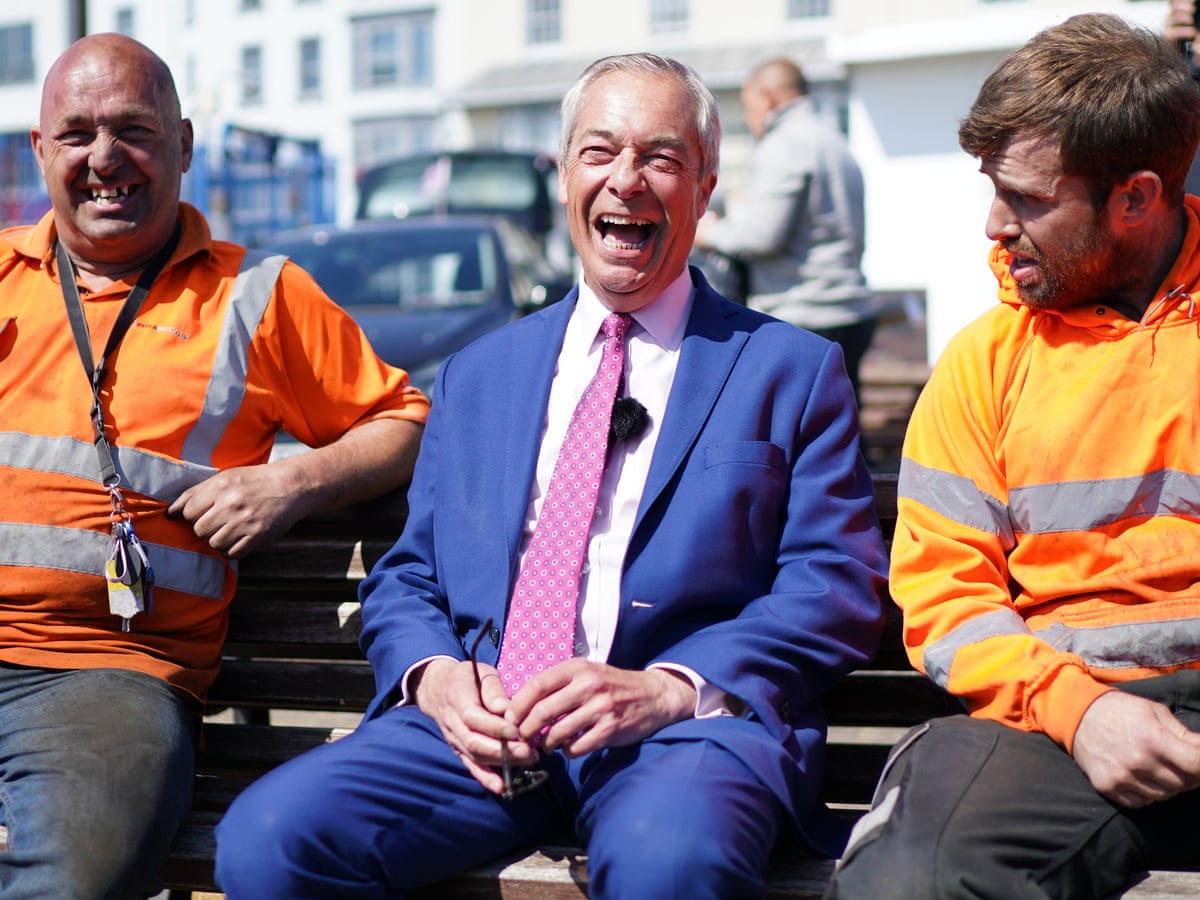
However, looking tired is not the same as being politically finished.
Farage has demonstrated an unusual ability to survive political setbacks. His political career has included several unsuccessful parliamentary campaigns, disagreements within political parties and moments when his opponents believed his influence had reached its peak. Nevertheless, he continued to campaign on the issues that mattered most to his supporters. His determination during the Brexit campaign was a major example of this persistence.
The most important reason Labour should remain concerned is that Farage has developed a political identity that goes beyond a single election or political party. His supporters often see him as someone who challenges the established political system. They may disagree with particular policies, but they appreciate his willingness to criticise politicians in Westminster. This gives him an advantage that cannot easily be removed through conventional party politics.
Reform UK has also benefited from widespread dissatisfaction with traditional parties. Many voters no longer feel strong loyalty to Labour or the Conservatives. They may change their political preferences depending on economic conditions, immigration, public services or trust in political leaders. This weakening of traditional party loyalty creates opportunities for smaller parties.
For Labour, this is especially important because some of Reform’s potential supporters come from working-class communities that have historically voted Labour. These voters may be concerned about the cost of living, housing, immigration, employment and the quality of public services. If Labour fails to address those concerns, Farage can offer an alternative message.
The economic situation will therefore play a crucial role in determining Reform’s future. Political arguments about identity and immigration may attract attention, but voters ultimately care about their everyday lives. If people believe that their wages are not keeping pace with expenses, that housing is unaffordable or that public services are deteriorating, they may become increasingly willing to support political alternatives.
This is where Labour faces its greatest challenge. Winning an election gives a government authority, but maintaining public support requires visible results. If Labour can improve living standards, strengthen public services and create economic opportunities, it may reduce the appeal of Reform. But if voters feel that their situation remains unchanged, Farage will have a powerful argument.
He can present himself as the politician who warned them about the failures of the political establishment.
Immigration is another major issue. Farage has built much of his political career around opposition to high levels of immigration and criticism of government control over Britain’s borders. His position remains controversial, but it continues to resonate with a significant part of the electorate. Labour therefore cannot assume that the issue will disappear simply because it changes its own policies.
The government may attempt to demonstrate that it can control immigration while maintaining a more moderate political approach. If it succeeds, Reform could lose one of its strongest arguments. If it fails, Farage can claim that Labour has been unable to solve a problem that voters consider extremely important.
Another factor is Farage’s ability to communicate. Whether people like him or dislike him, he is highly recognisable. He understands how to create political headlines and how to present complicated issues in simple language. In modern politics, media visibility can be extremely valuable. A politician who can dominate public discussion has an advantage over opponents who struggle to attract attention.
Social media has strengthened this advantage. Farage can communicate directly with supporters without relying entirely on traditional newspapers or television broadcasters. This allows Reform UK to build a political community around its own messages. Supporters can share videos, statements and campaign material quickly, increasing the party’s visibility.
Labour therefore faces more than a traditional opposition party. Reform is also a political movement built around dissatisfaction with the established system. Attacking Farage personally may actually strengthen his image among supporters who already believe that mainstream politicians are trying to silence him.
This does not mean that Reform is guaranteed to succeed. The party faces serious organisational challenges. Running a national political organisation is very different from attracting attention during an election campaign. Reform needs experienced politicians, strong local organisations, credible policies and candidates who can represent constituents effectively.
The party must also avoid internal conflict. New political movements often experience disagreements as they grow. Questions about leadership, strategy, policy and funding can become increasingly important. If Reform fails to maintain discipline, its opponents will have opportunities to portray it as unprepared for government.
The Conservative Party also remains an important part of the equation. Reform and the Conservatives compete for many of the same voters, particularly those who want tougher policies on immigration and national identity. If the right remains divided, Labour could benefit even if Reform continues to grow.
This is why Labour should not confuse electoral competition with the personal condition of Nigel Farage. Even if Farage appears tired, Reform’s underlying support may remain strong. Political movements can survive individual politicians, especially when they are connected to wider social and economic frustrations.
Furthermore, Farage does not need to become prime minister immediately to have a major impact on British politics. Reform can influence the policies of other parties simply by threatening to take their voters. The Conservatives may adopt tougher positions because they fear losing support to Reform. Labour may also change its approach to immigration, taxation or regional development because it wants to prevent voters from moving towards Farage.
In this sense, Farage can win political arguments even when he does not win elections.
His greatest achievement may therefore be his ability to change what other parties consider politically necessary. Issues that were once considered too controversial for mainstream debate can become central topics after Farage campaigns on them. Whether people agree with him or not, he has repeatedly demonstrated an ability to force other politicians to respond.
Labour should also remember that political fortunes can change quickly. Governments often enjoy strong support immediately after winning elections, but public opinion can become much less favourable when difficult decisions begin to affect voters. Economic problems, unpopular policies and internal divisions can rapidly damage a governing party.
Farage understands this political cycle. He does not necessarily need Labour to collapse immediately. He can wait for opportunities created by government mistakes. If Labour becomes unpopular, Reform can position itself as the alternative for voters who are disappointed with both Labour and the Conservatives.
This is why writing Farage off would be dangerous.
At the same time, Labour should not overreact. Treating Reform as an unstoppable political force would be equally mistaken. The best response is to address the concerns that allow Reform to attract support. If Labour can improve public services, reduce economic insecurity, strengthen communities and establish credibility on immigration, it can make it harder for Farage to convince voters that Reform is the only alternative.
The debate should therefore focus less on Farage’s appearance and more on the political conditions surrounding him. A tired politician can remain powerful if the voters who support him continue to feel angry, ignored or economically insecure. Conversely, a charismatic politician can lose influence if the problems that made his message attractive are successfully addressed.
The future of Reform UK will depend on whether it can transform protest into a sustainable political project. Farage has proven that he can attract attention and mobilise voters. The next challenge is proving that his party can deliver effective government.
For Labour, the lesson is simple. Never underestimate a political opponent simply because he appears to be struggling. Farage’s career shows that political resilience can matter as much as short-term popularity. He has survived moments when many believed his influence was ending, only to return with a stronger political platform.
In conclusion, Nigel Farage may indeed be looking weary, but that should not be interpreted as evidence that he has been defeated. His political strength comes from a combination of personal visibility, persistence and the frustrations of voters who feel disconnected from established parties. Reform UK still faces serious challenges, but Labour would be making a major mistake if it assumed that those challenges have eliminated the threat.
The real test will not be Farage’s appearance, but the political environment in which he operates. If Labour delivers economic improvements, strengthens public services and addresses concerns about immigration and regional inequality, it can weaken Reform’s appeal. But if voters remain frustrated and distrustful, Farage will have every opportunity to return to the political battlefield.
For that reason, Labour should treat Farage not as a defeated politician, but as a continuing competitor. British politics has repeatedly demonstrated that political fortunes can change unexpectedly. The politician who appears exhausted today may still have an important role to play tomorrow.