
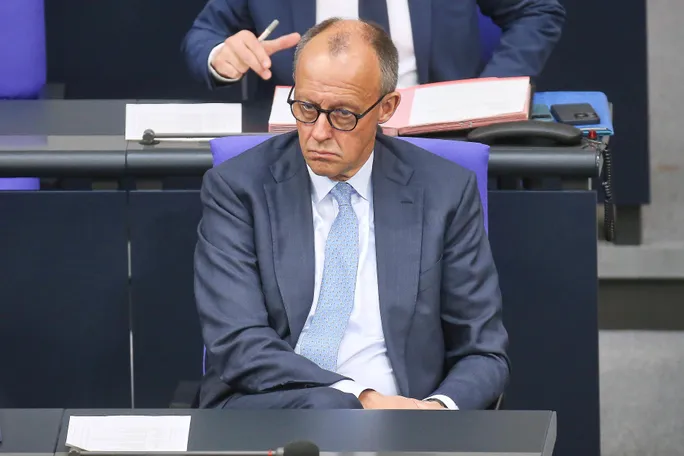
Andy Burnham Risks Angering Donald Trump as He Makes Major Ukraine Statement
British Prime Minister Andy Burnham has placed himself at the centre of a potentially delicate diplomatic balancing act after making a major intervention on Ukraine and signalling that he intends to press Donald Trump for additional American support. The move underlines Britain’s determination to remain firmly behind Kyiv, but it could also test the relationship between Downing Street and the White House as Trump continues to pursue his own approach to the war.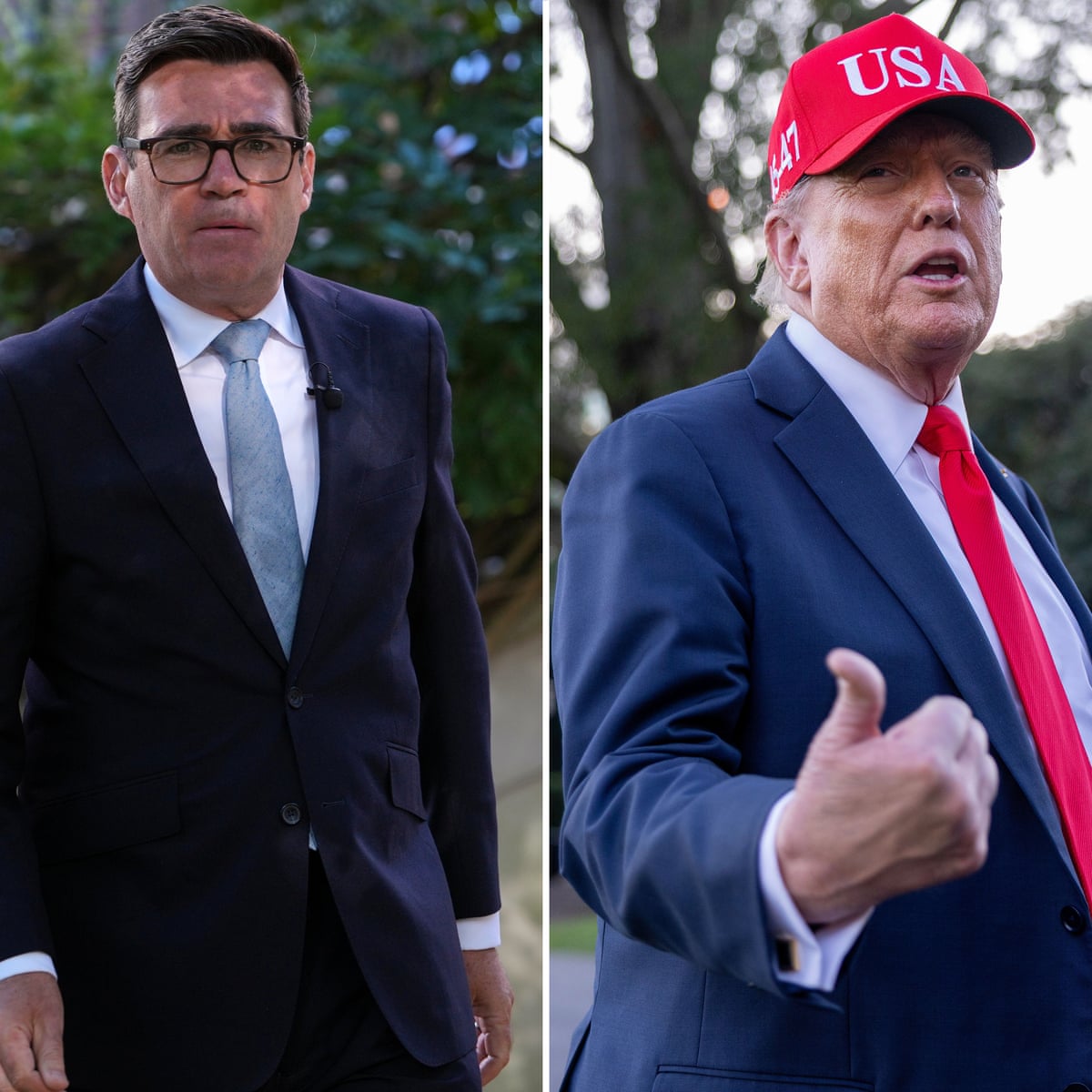
Burnham’s latest position comes after his first visit to Ukraine as prime minister, where he met President Volodymyr Zelenskyy and joined European leaders in discussions about strengthening Ukraine’s defences. During the visit, Burnham reaffirmed Britain’s commitment to Ukraine and called on allies to provide additional air-defence capabilities as Russian missile and drone attacks intensify.
The most significant element of the British position is Burnham’s determination to encourage the United States to provide Ukraine with more Patriot interceptor missiles. These sophisticated systems are considered particularly important because they can help protect Ukrainian cities and critical infrastructure from ballistic missile attacks. Burnham is expected to raise the issue directly with Trump during a prospective meeting in New York next month.
That creates an obvious diplomatic challenge. Trump has repeatedly expressed frustration with the length of the war and has sought to push Russia and Ukraine towards negotiations. Burnham, meanwhile, has made it clear that Britain intends to maintain strong military and political support for Kyiv. His approach suggests that London believes continued pressure on Russia and stronger Ukrainian defences are necessary to create the conditions for a lasting peace.
The disagreement does not necessarily mean that Burnham and Trump are heading for a major confrontation. In fact, the British prime minister has previously acknowledged that he may disagree publicly with the American president when he believes Britain’s national interests require it. Burnham said shortly after entering Downing Street that he would put Britain’s national interest first and could express a different view from Trump if necessary.
That statement is particularly relevant now. Burnham is attempting to establish his foreign-policy identity at an early stage of his premiership. By travelling to Kyiv on his first foreign trip and publicly backing Ukraine, he has sent a clear signal that Britain will remain an important supporter of the Ukrainian government.
During his meeting with Zelenskyy in July, Burnham promised that Britain would honour existing commitments to Ukraine. He described the visit as a deliberate signal of British solidarity, saying that the UK was with Ukraine “100%”. The government also announced further support involving British electronic-warfare technology.
The latest developments go further. Britain has agreed to release information relating to components of the Storm Shadow/SCALP long-range missile to help Ukraine develop its own production capabilities. The Kremlin has strongly criticised the decision, accusing Britain of escalating the conflict and warning that the move could have consequences.
For Moscow, Britain’s policy represents a significant increase in involvement. For London, however, the argument is that Ukraine must be given the ability to defend itself while diplomatic efforts continue. Burnham has therefore rejected the idea that supporting Ukraine is an obstacle to peace, instead presenting military assistance as a means of ensuring that any eventual settlement is sustainable.
This position could put him in an uncomfortable position with Trump. The American president may prefer European governments to take greater responsibility for Ukraine’s defence rather than relying heavily on American weapons. Burnham’s request for Patriot missiles effectively asks Washington to commit additional resources to a conflict that Trump has repeatedly suggested he wants to bring to an end.
Nevertheless, the British government appears to believe that the request is justified by the immediate threat facing Ukraine. Russian missile attacks have placed enormous pressure on Ukraine’s air-defence stocks, while the coming winter could create additional dangers for civilian infrastructure. Burnham has argued that protecting Ukrainian cities and essential services should be an urgent priority for Western governments.
The political significance of the Patriot request should not be underestimated. Air-defence systems are among Ukraine’s most valuable military assets because they provide protection against missiles that cannot easily be stopped by conventional weapons. A shortage of interceptors could leave major cities and energy infrastructure vulnerable to further Russian attacks.
Burnham is consequently trying to persuade Trump that helping Ukraine defend its skies is compatible with the broader goal of achieving peace. His argument is likely to be that a Ukraine capable of resisting Russian attacks will be in a stronger position during negotiations than a country whose defences are being steadily depleted.
The Kremlin takes the opposite view. Russian officials have accused Britain of making the conflict more dangerous through its military assistance. Moscow has also indicated that it is gathering intelligence about Ukrainian missile production facilities, raising fears that new weapons infrastructure could become a target.
That creates another dilemma for Burnham. The more Britain assists Ukraine in developing long-range weapons, the more likely Russia is to regard Britain as an active participant in the conflict. Yet reducing British support could weaken Ukraine at a moment when European governments are attempting to prevent further Russian advances.
The prime minister’s decision to speak so forcefully also reflects the changing nature of Britain’s relationship with the United States. Britain has traditionally regarded close cooperation with Washington as one of the foundations of its foreign and defence policy. But the relationship does not mean automatic agreement on every international issue.
Burnham has already indicated that he intends to maintain a close relationship with Trump while being prepared to challenge him where necessary. This could prove to be one of the most important tests of that approach. If Trump rejects the request for additional Patriot missiles, Burnham will have to decide whether to accept the decision quietly, increase pressure publicly or seek alternative European sources of support.
The stakes are high because European countries have limited stocks of advanced air-defence systems themselves. Several governments have promised additional assistance to Ukraine, but replacing sophisticated interceptors is difficult and expensive. This means that American cooperation remains extremely important.
Burnham’s strategy therefore appears to be based on persuasion rather than confrontation. By working with European leaders and presenting Ukraine’s air-defence needs as a collective security issue, he can attempt to make the request less about Britain asking America for help and more about the wider Western alliance sharing responsibility.
There is also a domestic political calculation. Strong support for Ukraine allows Burnham to distinguish his government from politicians who favour a rapid reduction in British involvement. At the same time, he must consider the cost of military assistance and the possibility that voters will prioritise domestic concerns such as housing, employment and household bills.
His challenge is therefore not simply diplomatic. He must demonstrate that Britain’s support for Ukraine serves British interests as well as Ukrainian ones. Burnham’s argument is that Russian aggression represents a broader threat to European security and that preventing further escalation in Ukraine is ultimately in Britain’s interest.
The coming months will reveal whether that argument can survive the realities of international politics. Trump may welcome Britain’s willingness to take greater responsibility for European security, but he may be less enthusiastic about requests for additional American military assistance. Burnham’s ability to persuade the president will therefore be crucial.
The two leaders are not necessarily destined for an open clash. Both governments have strong reasons to preserve the wider UK-US relationship, including defence cooperation, intelligence sharing and trade. A disagreement over Ukraine does not automatically threaten the entire alliance.
However, Burnham’s latest statement demonstrates that he is prepared to take a more assertive position than a prime minister who simply follows Washington’s lead. His message is clear: Britain intends to continue supporting Ukraine and will actively lobby its allies, including the United States, to provide the military equipment Kyiv says it urgently needs.
That could anger Trump if he believes European governments should do more themselves or if he sees further weapons deliveries as prolonging the conflict. But Burnham appears willing to accept that risk.
Ultimately, the dispute is about two different approaches to ending the war. Trump is focused heavily on achieving a settlement, while Burnham argues that Ukraine needs stronger defences before it can negotiate from a position of security. Both claim to want peace, but they differ over the strategy required to achieve it.
Burnham’s decision to take Ukraine’s request for Patriot missiles directly to Trump will therefore be a significant test of his foreign policy. It will reveal whether he can maintain Britain’s close relationship with Washington while defending a position that may not always coincide with the American president’s preferences.
For now, Burnham appears determined not to retreat. His visit to Kyiv, his pledge of continued British assistance and his decision to lobby Trump all point towards a government that sees Ukraine’s security as a central part of Britain’s international role.
Whether Trump ultimately agrees to provide additional Patriot interceptors remains uncertain. What is clear, however, is that Burnham is prepared to make the case directly. If he succeeds, Britain could strengthen its influence over the Western response to the war. If he fails, he may face the difficult task of explaining why Europe must shoulder an even greater share of Ukraine’s defence.
Either way, Burnham’s latest intervention marks an important moment in Britain’s relationship with both Ukraine and the United States. It demonstrates that the new prime minister intends to support Kyiv strongly, even when doing so risks creating friction with Washington. The question now is whether he can persuade Donald Trump that helping Ukraine defend itself is not an obstacle to peace, but an essential part of achieving it.