

Andy Burnham’s Summer Tour: Listening to Voters on the Cost of Living
Andy Burnham, the Prime Minister of the United Kingdom, has begun a nationwide summer tour aimed at listening directly to voters about the difficulties they face with the cost of living. Rather than spending the entire parliamentary summer recess in Westminster, Burnham plans to travel around the country and meet ordinary people, community groups and local organisations. His central question to voters is simple: “What would actually make your life better?” The tour is designed not only to understand public concerns but also to shape the government’s future policies and its wider ten-year plan for Britain.
The cost of living has become one of the most important political issues in Britain. Although inflation is far lower than during the worst period of the recent economic crisis, many households continue to feel financially pressured. Prices have risen substantially over several years, while energy bills, housing costs, transport and everyday shopping remain major concerns. In July 2026, UK inflation increased from 2.6% to 2.9%, partly because of higher energy costs. An expected rise in the energy price cap in October could create additional pressure on household budgets.
For Burnham, therefore, the summer tour represents an opportunity to show that his government understands these everyday difficulties. Downing Street has said that the Prime Minister believes Westminster has become too accustomed to telling people that problems such as hidden charges, complicated pricing and expensive subscriptions are simply unavoidable. Burnham wants his government to take action on what it describes as “everyday” problems and give families more financial breathing space.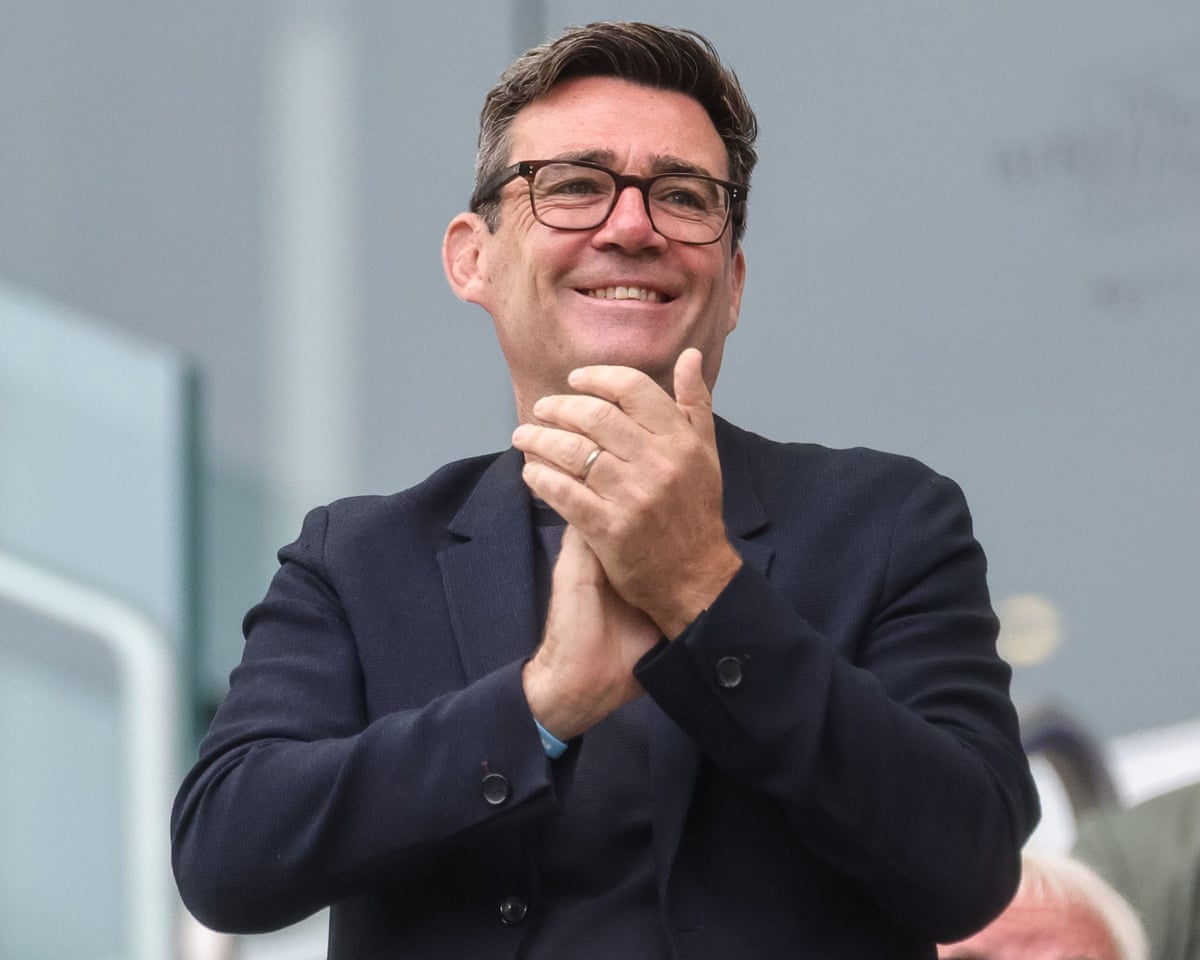
One of the first areas Burnham has targeted is the problem of subscription traps. Many consumers sign up for online services and later discover that cancelling them is difficult or that a subscription has automatically renewed. Under the government’s accelerated plans, companies will be required to make cancellation easier and provide clearer information about costs. The measures, which had originally been expected to come into force later, are being brought forward to January. The government has argued that these reforms could save households money by preventing consumers from paying for services they no longer want.
Another issue is misleading discounts. Consumers are sometimes presented with products that appear to have been heavily reduced from a previous price, even though the original price may not accurately represent what the product normally costs. Burnham’s government plans to consult on whether deceptive discount practices should be added to the list of banned practices enforced by the Competition and Markets Authority. This is an important part of his broader argument that the government should protect consumers from unfair business practices rather than simply asking families to accept higher costs.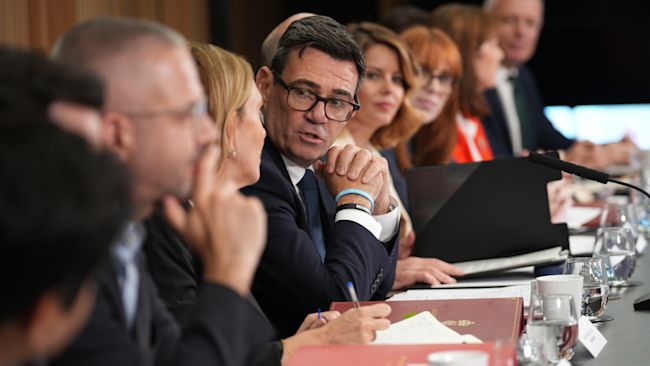
However, Burnham’s tour is about more than individual consumer reforms. It is also an attempt to reconnect Labour with voters across the country. The Labour government has faced significant political challenges, and Burnham appears determined to adopt a more personal and accessible style of leadership. By travelling outside London and listening to people in different communities, he can demonstrate that national government is interested in the concerns of people who may feel disconnected from Westminster.
This approach reflects Burnham’s political background. Before becoming Prime Minister, he was the Mayor of Greater Manchester, where he developed a reputation for emphasising local issues and working closely with regional communities. His experience as mayor has influenced his political belief in giving regions greater control over their own economic and social development. The summer tour therefore fits naturally with his wider political philosophy: government should not be concentrated entirely in London but should understand the realities of life in different parts of Britain.
The tour is also connected to Burnham’s proposed ten-year plan for the country. According to reports, the visits will help inform his long-term vision for Britain, which he has promised to present later in 2026. Rather than relying solely on government officials, economists and political advisers, Burnham wants to gather information from voters themselves. The idea is that a long-term national strategy should begin with an understanding of what people actually experience in their daily lives.
Several of Burnham’s early policies are already linked to the cost of living. His government has promised to remove VAT from household electricity bills from October 2026, a measure expected to save a typical household around £45. It has also announced plans to restore a £2 bus fare cap across England from January 2027, excluding London. These policies are intended to reduce some of the unavoidable expenses faced by households, particularly those on lower incomes.
Transport is particularly important because rising fares can have a direct effect on employment and access to public services. For people who depend on buses to travel to work, school, hospitals or shops, even a relatively small increase in fares can become significant over the course of a year. A national bus fare cap could therefore provide practical assistance while also supporting Burnham’s wider ambition to improve regional connectivity.
The government has also made homelessness a major part of its domestic agenda. Burnham has pledged hundreds of millions of pounds to help people sleeping rough move into more secure accommodation, with the ambition of making rough sleeping far less common before Christmas. He has argued that national government must work with councils, charities and community organisations because homelessness cannot be solved by central government funding alone.
Nevertheless, Burnham faces a difficult economic balancing act. Providing financial assistance to households can be politically popular, but government measures have to be paid for. Britain already faces high public debt and substantial pressure on government finances. The Prime Minister therefore cannot simply promise large amounts of new spending without explaining where the money will come from. This will become especially important when the government presents its budget in October.
There is also a danger that a focus on immediate cost-of-living measures could create unrealistic expectations. Inflation may be affected by international events, energy markets and global supply chains that a British government cannot fully control. Recent increases in energy prices demonstrate how international developments can quickly influence British households. Some economists have therefore warned that short-term subsidies or price reductions may provide temporary relief without solving the deeper economic problems behind weak household incomes and high living costs.
Political opponents are likely to use these difficulties to challenge Burnham. They may argue that his proposals increase the burden on businesses or that government intervention could create additional costs in the future. Burnham will therefore need to demonstrate that his policies are not simply popular announcements but part of a coherent economic strategy.
Despite these challenges, the summer tour could provide Burnham with an important political advantage. Recent polling and political analysis suggest that he has enjoyed a relatively strong early period as Prime Minister. His more approachable style has contrasted with the difficulties experienced by his predecessor, Keir Starmer. His willingness to travel around the country and listen to voters has helped reinforce the image of a leader who wants to understand ordinary people’s experiences rather than simply communicate through official statements.
In conclusion, Andy Burnham’s summer tour represents an important attempt to place ordinary people at the centre of the British government’s political agenda. The cost of living remains a serious concern despite falling inflation compared with the worst years of the recent crisis. Burnham’s proposals on energy bills, bus fares, subscription traps and misleading discounts are designed to provide practical help to households. At the same time, the tour allows him to listen to voters and use their concerns to develop his longer-term vision for Britain.
Ultimately, the success of the tour will depend not on how many people Burnham meets or how many announcements he makes, but on whether voters see meaningful improvements in their daily lives. Listening is an important first step, but it must be followed by effective action. If Burnham can turn the concerns he hears across Britain into affordable and sustainable policies, the summer tour could become an important foundation for his premiership. If he fails to deliver, however, voters may conclude that the listening exercise was more about political presentation than genuine change.