


Reform UK Unveils Plan to Cut £50 Billion a Year from Soaring Benefits Bill
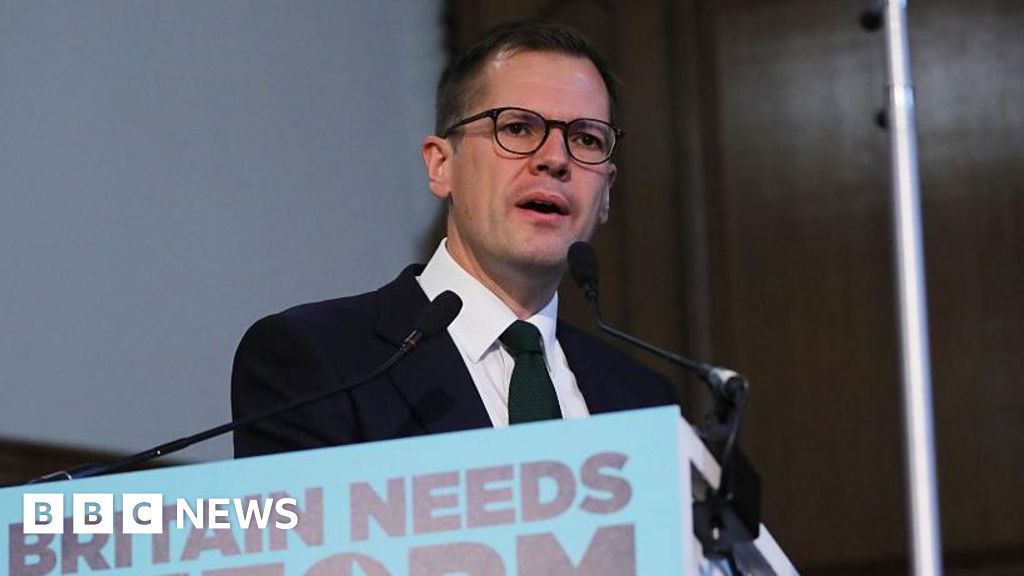
Reform UK has unveiled one of the most dramatic welfare reform programmes in modern British politics, promising to cut around £50 billion a year from the benefits bill if it wins power. The plan, presented as a fundamental attempt to reshape Britain’s welfare state, would tighten eligibility for disability payments, restrict benefits for foreign nationals and require some long-term claimants who are considered fit to work to undertake community work.
The scale of the proposal is enormous. Reform says its programme could save taxpayers more than £50 billion annually by 2030, while putting more people into employment and protecting those it regards as genuinely unable to work. The party describes the plan as a necessary response to what it sees as an unsustainable growth in welfare spending.
But the proposal has immediately triggered a fierce political argument. Supporters say Britain can no longer afford a system in which working-age welfare spending continues to rise. Critics argue that the proposed savings are overly ambitious and could cause severe hardship for disabled people, families and foreign nationals who currently depend on state support.
At the heart of Reform’s argument is a simple question: What should the welfare state actually be for?

Robert Jenrick, Reform UK’s Treasury spokesman, has argued that the modern benefits system has drifted far from its original purpose. The party says the state should provide a safety net for people who genuinely cannot support themselves, rather than becoming a long-term alternative to employment. Reform has therefore promised to distinguish much more sharply between people who are severely disabled or unable to work and those who could potentially return to employment.
The party’s plan would represent a fundamental departure from the existing system.
One of its most controversial proposals is the abolition of Personal Independence Payment, or PIP, in its current form for working-age adults. Reform wants to replace it with a new Health Security Allowance, aimed primarily at people with severe and enduring disabilities. Those with less serious conditions could instead receive support through locally administered disability accounts, potentially covering equipment, adaptations, transport and personal assistance.
The implications could be substantial.
Reform estimates that around 2.89 million existing claimants could have their payments changed or withdrawn following reassessment. The party says existing claimants would be reviewed over a three-to-four-year period and estimates that about 2.16 million would retain their present cash entitlement in full.
That means the reform would not simply alter the way new claims are assessed. Millions of people already receiving support could face a different system.
For disabled people, that creates enormous uncertainty.
PIP is intended to help with the additional costs associated with disability, rather than simply replacing a person’s wages. Those costs can include transport, specialist equipment, care and assistance with everyday activities. Reform’s argument is that some of this support could be delivered more efficiently through services and equipment rather than unrestricted cash payments.
Critics, however, argue that cash payments give disabled people something that centrally designed schemes cannot easily provide: choice.
Every disabled person has different needs. One individual may need to spend additional money on transport, while another may require heating, specialist food or help around the home. A system that decides in advance what assistance a person needs could potentially be less flexible than direct financial support.
The Institute for Fiscal Studies has highlighted this tension. Its assessment of Reform’s proposals said the party’s disability system would be substantially harder to qualify for and would rely more heavily on in-kind support, while the largest savings would depend on a tougher new assessment. The IFS also warned that there is relatively little detail about how the proposed assessment would work or how the government would avoid repeating problems seen in previous attempts to reduce disability benefit spending.
The second major pillar of Reform’s plan concerns foreign nationals.
The party has pledged to make British citizenship the basic requirement for access to most benefits. Reform says only British citizens would generally be entitled to welfare, with limited exceptions including certain Armed Forces-related payments and contributory pensions.
Reform estimates that this policy could eventually save around £21 billion a year.
The proposal would affect not only recent arrivals but potentially people who have lived in Britain for many years. Particularly controversial is the proposal to restrict benefits for EU nationals who have settled status in the UK. Such a policy could raise questions about Britain’s obligations under the post-Brexit settlement and potentially require negotiations with Brussels.
Supporters see this as a straightforward matter of fairness.
Their argument is that the welfare state is financed primarily by British taxpayers and should therefore prioritise British citizens. At a time when households are under pressure from taxation and living costs, Reform believes taxpayers should not be expected to provide unrestricted welfare to people who are not British nationals.
But the issue is more complicated than the slogan suggests.
Many foreign nationals work in Britain, pay taxes and contribute to the National Insurance system. Some have lived in the country for decades. Others have British partners or children and have built their entire adult lives around Britain.
The Institute for Fiscal Studies estimates that around 1.3 million non-UK citizens currently receive Universal Credit, including approximately 650,000 who are not in employment. It warned that removing benefits from this group could result in substantial overnight reductions in household income and increased hardship.
That is one of the central challenges facing Reform.
A policy can be politically popular while still producing complicated consequences for people who fall between simple categories.
Another part of the plan targets people who are unemployed for long periods but considered capable of working. Reform has proposed requiring some long-term benefit claimants to undertake around 20 hours of community work each week or risk losing their benefits. Potential activities could include cleaning parks and high streets, helping charities or supporting local services.
The party argues that this would restore a sense of responsibility and make clear that welfare comes with obligations as well as rights.
Critics see the proposal as punitive.
There is a legitimate debate over whether people who are capable of working should be expected to make greater efforts to find employment. Britain has struggled with long-term economic inactivity, particularly among people with health problems. Reform believes stronger conditions could push some people back into the labour market.
Yet forcing people into unpaid community work could also create difficulties. Local authorities would need to organise placements, supervise participants and determine whether people were complying. There would also be questions about what happens when suitable placements are unavailable.
Perhaps the biggest question is whether the £50 billion figure is realistic.
The IFS has pointed out that working-age benefits are forecast to cost a little over £200 billion in 2030-31. A £50 billion annual reduction would therefore represent an enormous proportion of that spending.
BBC Verify similarly calculated that the proposed reduction would amount to roughly a quarter of working-age welfare spending outside pensions. That makes the target exceptionally ambitious.
Reform insists that its calculations are credible.
The party says the reforms could result in around 241,000 additional British nationals entering employment by 2029-30 and claims that the savings would allow the government to protect other priorities, including the state pension.
But savings on paper are not necessarily savings in reality.
A government could reduce benefit payments without reducing underlying need. If people lose financial support but remain unable to work, they may require greater assistance elsewhere. Local authorities could face additional pressure. Charities could see demand increase. The NHS could also face consequences if poverty or financial insecurity worsens people’s health.
This is why welfare reform cannot be judged solely by the size of the cheque written by the Treasury.
There is also an economic argument on the other side.
If the reforms successfully encourage hundreds of thousands of people into employment, the government could gain not only through lower benefit spending but also through additional income tax and National Insurance receipts. Employers could benefit from a larger workforce, while individuals could gain higher earnings and greater independence.
Reform’s proposed changes to sickness absence are designed around this principle.
The party wants employers to take out “Return to Work Cover”, potentially making businesses responsible for some of the financial cost of sickness during an employee’s first two years away from work. Reform argues that this would give employers a stronger incentive to help sick workers return to employment rather than allowing people to remain outside the labour market indefinitely.
Again, the principle is straightforward, but the consequences are not.
Employers could face additional costs and might become more reluctant to hire workers whom they believe could develop health problems. Smaller businesses could be particularly concerned about the financial risks.
That means Reform’s welfare policy could affect not only claimants and taxpayers but also the labour market itself.
The political stakes are equally high.
Reform has built much of its support around a promise to challenge Britain’s political establishment and take difficult decisions that traditional parties have avoided. The £50 billion welfare programme fits perfectly into that identity.
For its supporters, the plan represents courage.
For opponents, it represents recklessness.
Labour has dismissed the £50 billion figure as unrealistic and accused Reform of building its savings on cuts to disabled people and other vulnerable groups. The Conservatives have also criticised the proposals, while disability organisations and campaigners have warned about the potential human cost.
Yet the political debate is unlikely to disappear because the underlying problem is real.
Britain’s welfare bill has risen significantly, particularly in areas connected with sickness and disability. The government therefore faces an unavoidable question about how to make the system financially sustainable.
The disagreement is about how that should be achieved.
Should Britain impose much stricter eligibility rules? Should more people be encouraged into work? Should benefits be linked more closely to contributions? Should support be delivered through services rather than cash? Or should the state accept higher welfare spending as the price of protecting people from poverty?
There is no easy answer.
What makes Reform’s proposal so significant is that it attempts to answer all these questions at once. Rather than making small adjustments to the existing system, the party wants to redesign it around a fundamentally different philosophy.
That philosophy places a much greater emphasis on work, contribution and personal responsibility.
The danger is that a system designed to prevent dependency could become too rigid for people whose circumstances do not fit neatly into categories.
The opportunity is that a system designed to encourage work could help thousands of people who have become trapped outside the labour market to regain independence.
The final judgment will depend on the details.
For now, the £50 billion pledge should be understood not simply as a promise to save money but as a proposal to redefine Britain’s social contract.
If Reform UK eventually enters government, millions of people could find their relationship with the welfare state transformed.
The question will be whether the reforms create a leaner and more sustainable system—or whether the pursuit of savings goes too far and leaves vulnerable people without adequate protection.
That is why Reform’s £50 billion plan may become one of the defining political battles of the next general election.
It is not merely a debate about benefits.
It is a debate about what Britain owes its citizens, what citizens owe one another, and what kind of welfare state the country can afford in the decades ahead.