
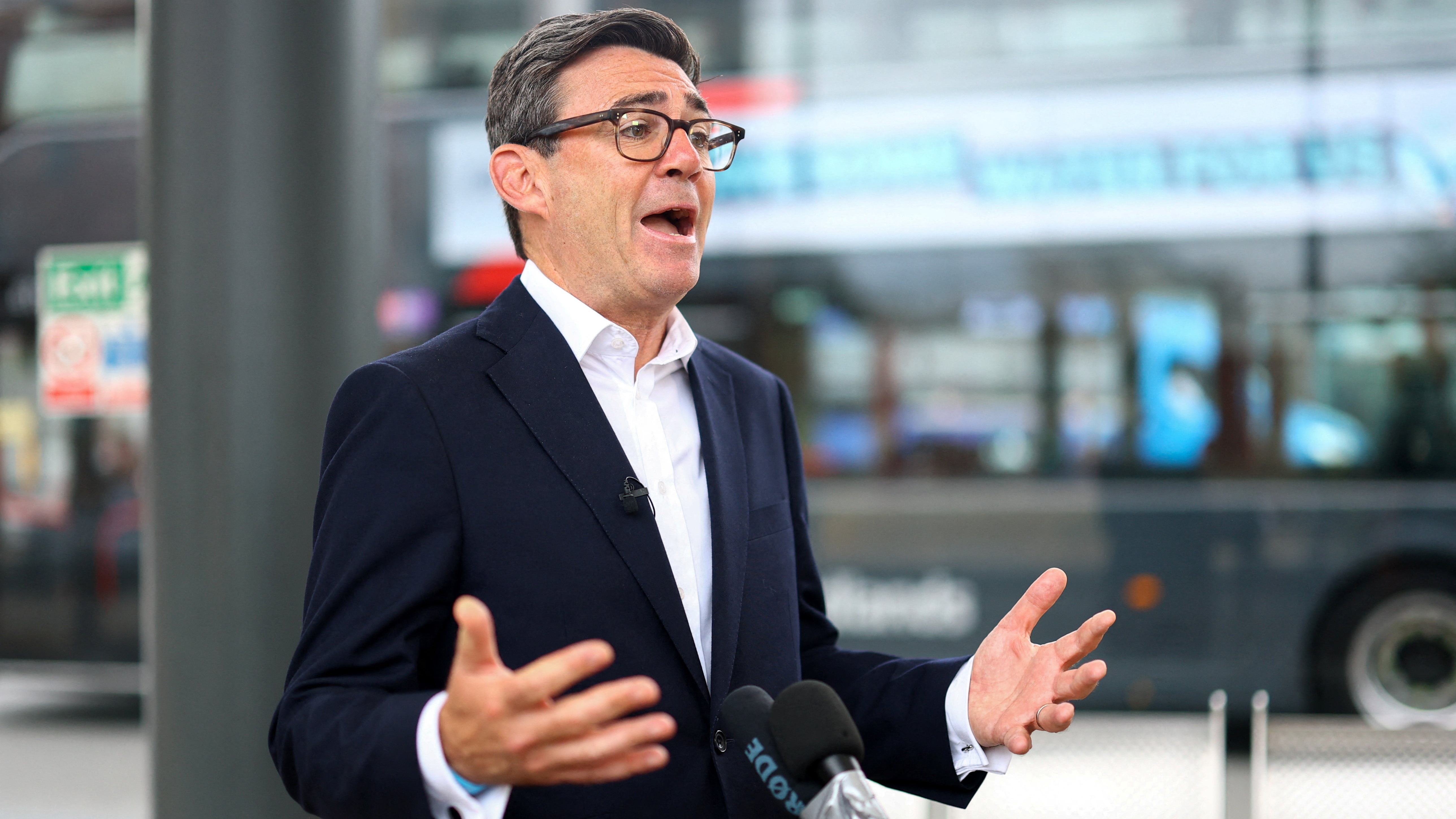
Lifeshare Warns PM Must Go Beyond “A Bed for Every Night” to End Rough Sleeping
Prime Minister Andy Burnham’s ambitious pledge to end rough sleeping has been welcomed by homelessness charities, but Lifeshare has warned that providing people with a bed for every night will not, by itself, solve the problem. The Manchester-based charity says the government’s approach must go further by addressing the complex causes that push people onto the streets and ensuring that those brought indoors can move on to stable, permanent accommodation.
Burnham has pledged £442 million as part of a national drive to get rough sleepers off the streets by Christmas. The package includes £102 million in new funding, while the North West is expected to receive £37 million. The government says the initiative is intended to provide people sleeping rough with a route away from the streets during the winter months.
The scale of the commitment reflects the urgency of the problem. Rough sleeping remains one of the most visible forms of homelessness in Britain, with thousands of people estimated to be sleeping outdoors on any given period. In England, the latest single-night snapshot recorded 4,793 people sleeping rough in autumn 2025, while a separate monthly data framework estimated 7,541 people were sleeping rough in March 2026.
For Burnham, tackling rough sleeping has become a central political priority. His experience as mayor of Greater Manchester shaped his approach to homelessness, including the introduction of the “A Bed Every Night” initiative. The scheme provided emergency accommodation and brought together councils, charities, faith groups and other organizations to help people who might otherwise have slept on the streets.
Lifeshare does not dismiss that achievement. Matt Johnson, chair of the charity’s trustees, acknowledged that the scheme was effective at bringing different organizations together. However, he also questioned whether it reached everyone who needed support. Some people were not picked up by the program, while others continued to experience homelessness despite the availability of emergency beds.
This distinction is at the heart of the current debate. Providing a safe place to sleep is essential, particularly during winter, but a temporary bed is not the same thing as ending homelessness. If a person leaves emergency accommodation and returns to the street weeks or months later, the underlying problem has not been solved.
Rough sleeping is often the final stage of a much longer process of social and economic exclusion. People can lose their homes because of rent arrears, unemployment, family breakdown, domestic abuse, rising housing costs or a sudden financial crisis. Once someone is sleeping rough, additional difficulties can make it even harder to escape.
Mental health problems and addiction are among the challenges identified by Lifeshare. Some people may also have experienced repeated contact with the criminal justice system or have limited access to public funds. These circumstances can interact with one another, creating problems that cannot be resolved simply by offering a temporary room.
That is why the charity has called for more “trauma-informed” accommodation and tailored support. People who have experienced homelessness do not all need the same solution. Some may need help with addiction, others with mental health treatment, benefits, employment, family relationships or long-term housing. A successful policy must be flexible enough to respond to these different needs.
The experience of the Covid-19 pandemic provides an important example of what can happen when government, charities and local authorities work together with exceptional urgency. During the “Everyone In” initiative, rough sleepers were moved into hotels, student accommodation and other temporary spaces. The policy demonstrated that large numbers of people could be brought indoors quickly when sufficient political will and resources were available.
However, the pandemic response also demonstrated the limitations of emergency accommodation. Bringing someone indoors is only the first step. Once the immediate crisis passes, people still need somewhere permanent to live and the support required to remain there.
This is particularly important because the supply of affordable housing remains limited. If emergency accommodation becomes the main solution without a pathway into permanent homes, authorities risk creating another cycle of temporary homelessness. People can move from streets to hotels, from hotels to temporary accommodation, and eventually back onto the streets if no stable housing becomes available.
A long-term strategy therefore needs to combine emergency intervention with permanent housing. The government has already indicated that its wider programme will include new homes and intensive support. Full Fact reports that the government’s initial investment is intended to provide 1,200 homes for long-term rough sleepers and intensive support aimed at helping at least 3,000 people move from the streets into stable housing.
Mental health and addiction services will also need to form part of the response. Burnham himself has acknowledged that government funding may need to extend beyond housing-related support, including greater investment in NHS mental health and addiction services.
This recognition is important because homelessness cannot be treated as a housing problem alone. A person may have somewhere to live but still struggle to maintain it because of untreated mental illness, substance dependency, debt, isolation or other challenges. Without appropriate support, the risk of returning to homelessness can remain high.
The government will also have to ensure that funding reaches the organizations best placed to deliver support. Charities and local authorities have extensive experience working directly with homeless people, but they need stable resources and clear long-term arrangements. Lifeshare’s warning suggests that simply increasing the number of available beds is not enough if people with the most complex needs remain outside the system.
There is also a danger that temporary accommodation can make homelessness less visible without actually ending it. Moving people indoors may reduce the number of people seen sleeping on streets, but it does not necessarily mean that they have found a permanent home. This distinction matters when measuring the success of the government’s pledge.
The public debate should therefore focus on outcomes rather than headlines. The important questions are not only how many beds are available or how many people are moved indoors, but how many people obtain permanent accommodation, how many remain housed, and whether new cases of homelessness are being prevented.
Prevention must be another major part of the strategy. Helping someone before they lose their home is often more effective than attempting to rebuild their lives after months or years on the streets. Councils and housing organizations need the resources to intervene when people begin falling behind on rent or face eviction.
Affordable housing is central to this effort. If rents continue to rise faster than incomes and social housing remains scarce, governments will find it difficult to reduce homelessness permanently. Emergency programs can provide immediate relief, but long-term success requires an adequate supply of secure and affordable homes.
Burnham’s ambition is nevertheless significant. His government has committed substantial funding and is asking councils, charities, businesses, faith groups and communities to work together. The Prime Minister has also indicated that he wants the national effort to learn from the cooperation seen during the pandemic.
That broader approach could be valuable. Homelessness is too complex for one government department or organization to solve alone. Local authorities understand the circumstances of their communities, charities often have established relationships with people sleeping rough, health services can address medical needs, and housing providers can create pathways into permanent accommodation.
The challenge will be maintaining this cooperation after the immediate winter crisis has passed. Christmas provides a clear political deadline, but homelessness is a year-round problem. A person who is no longer sleeping outside in December can still be homeless in January if they have nowhere permanent to go.
The government must therefore resist the temptation to judge success solely by what happens during the winter. Emergency accommodation can save lives, but the ultimate objective should be to make rough sleeping rare, brief and non-recurring.
Lifeshare’s warning is particularly relevant because Burnham has already experienced the difficulties of tackling homelessness at a regional level. His “A Bed Every Night” initiative demonstrated the value of coordinated emergency accommodation, but rough sleeping later increased again in Greater Manchester. ITV reported that the number of people seen sleeping rough on a single night rose from 149 in 2023 to 154 in 2024.
The lesson is not that emergency accommodation failed. Rather, it shows that emergency beds must form part of a wider system. Without sufficient permanent housing and specialist support, people can continue moving between homelessness and temporary accommodation.
The Prime Minister’s pledge therefore represents both an opportunity and a test. If the government can use the additional funding to create lasting pathways out of homelessness, the initiative could make a substantial difference. If the focus remains primarily on getting people indoors for the winter, charities fear that the underlying problems will remain.
For people sleeping rough, the distinction is crucial. A bed can provide safety for one night, but a home provides stability. A warm room can protect someone from freezing temperatures, but long-term support can help them rebuild their health, relationships and independence.
Lifeshare’s message should therefore be seen as a call for ambition rather than criticism of the government’s immediate response. Providing emergency accommodation is necessary, but it should be the beginning of the journey rather than the destination.
The government now has the resources and political attention to make a meaningful intervention. The challenge is to use them wisely. That means combining emergency shelter with permanent housing, mental health and addiction services, prevention programs, employment support and individualized assistance.
Ending rough sleeping will not happen simply because more beds become available. It will happen when people are given realistic routes into secure homes and the support needed to remain there.
Burnham has promised to move quickly, and the winter deadline creates a powerful sense of urgency. But Lifeshare’s warning highlights an equally important principle: the goal should not merely be to ensure that nobody sleeps outside tonight. The goal must be to make sure they do not have to sleep outside again tomorrow.
That is the standard by which the government’s homelessness strategy should ultimately be judged.