

Reform’s Plan for the Future of Benefits – List of Changes for Brits and Migrants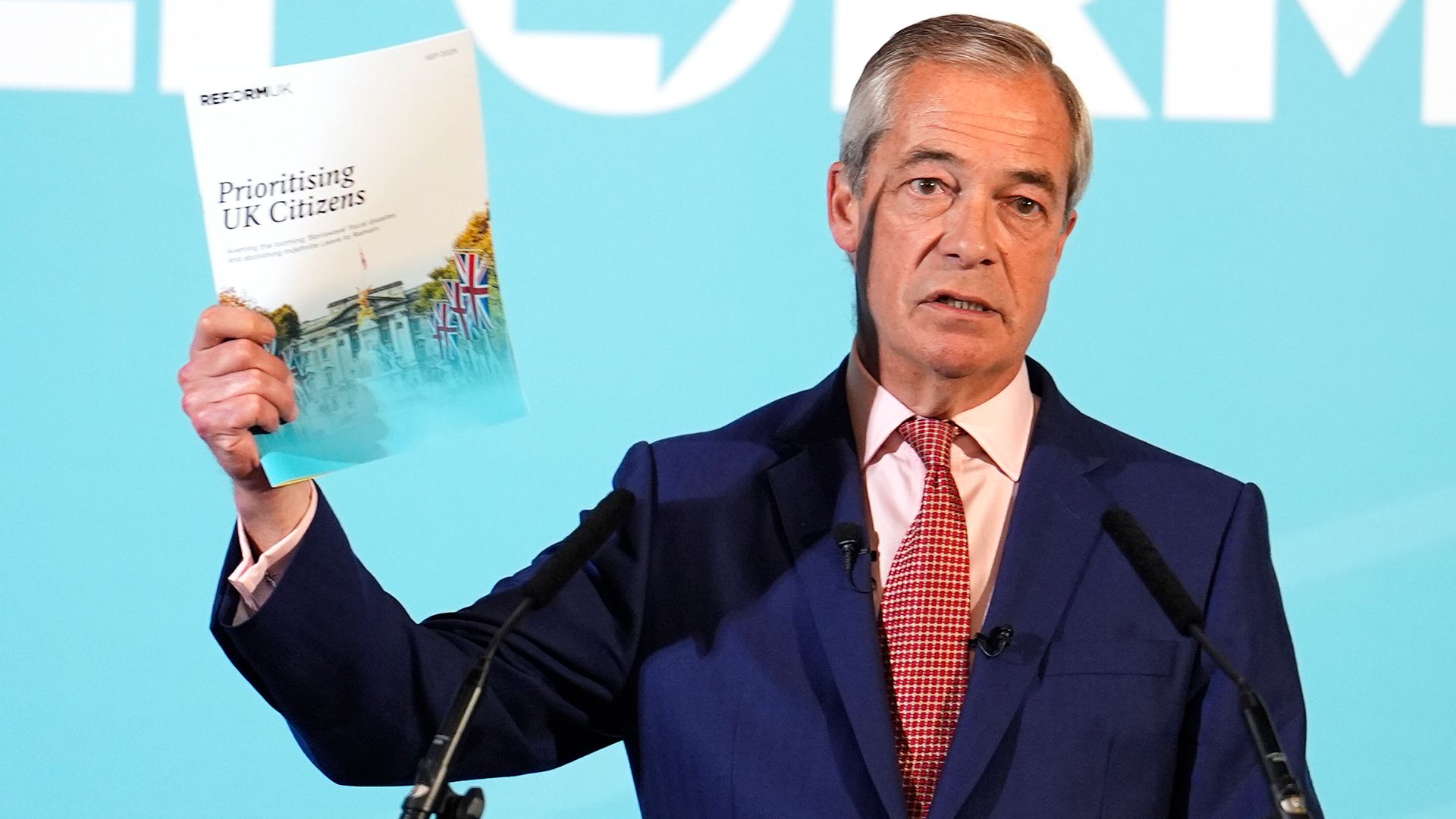
Reform UK has unveiled one of the most sweeping welfare reform programmes in modern British politics, promising to cut around £50 billion a year from the benefits bill if it wins power.
The proposals, announced in August 2026, would affect both British citizens and foreign nationals, with the party arguing that the welfare system has become too expensive and too detached from its original purpose. Reform says benefits should provide a safety net for people who genuinely cannot support themselves, rather than creating what it describes as a system of long-term dependency.
The plans would involve major changes to disability payments, Universal Credit, benefits for migrants, sick pay and the obligations placed on people who are unemployed.
Some of the proposals are likely to become highly controversial, particularly because they could affect millions of existing claimants.
Here is what Reform says it wants to change.
1. PIP would be replaced
One of the biggest changes would be the abolition of Personal Independence Payment (PIP) in its current form.
Reform says the existing system has expanded significantly and that disability benefits should be concentrated on people with the most serious and enduring conditions.
Its proposed replacement would be a Health Security Allowance, targeted at people with severe disabilities and serious health conditions. Reform’s plans would also remove the health component of Universal Credit for working-age adults.
The party says the reform could eventually save around £22 billion a year.
However, this is also one of the areas where the consequences could be greatest. Estimates reported alongside the proposals suggest that around 2.89 million people could receive less support or lose eligibility, while approximately 2.16 million would retain full benefits.
That makes disability reform one of the biggest political tests facing Reform.
2. A new system for people with severe disabilities
Under Reform’s proposed system, cash support would become more tightly focused on people judged to have severe and enduring needs.
People with less severe conditions would potentially receive assistance through local authorities rather than receiving the same level of direct cash payments.
Reform has proposed Disability Support Accounts, through which councils could provide practical assistance such as therapies and other services.
The party argues that this would allow taxpayers’ money to be directed towards people who need it most while reducing incentives for people who are capable of working to remain outside the labour market.
Critics, however, argue that disability cannot always be measured simply by whether somebody can technically work. Conditions can fluctuate, and people with similar diagnoses can have very different needs.
3. Long-term unemployed people could be required to work in the community
Another highly controversial proposal would change the obligations attached to long-term unemployment.
Reform says people who are considered fit to work but remain on benefits for extended periods could be required to undertake 20 hours of community work every week.
Examples could include cleaning high streets, maintaining parks, helping libraries or supporting community organisations.
Failure to comply could result in the loss of benefits.
The party’s argument is that people receiving long-term support should contribute to their communities where they are physically capable of doing so.
Supporters would describe this as a way of restoring a link between welfare and responsibility.
Opponents are likely to argue that compulsory unpaid work risks creating a punitive system rather than helping people find sustainable employment.
4. Benefits for most foreign nationals would end
The proposals would also introduce a major distinction between British citizens and foreign nationals.
Reform says most foreign nationals would no longer be eligible for welfare payments, including people who currently have certain forms of settled immigration status.
The party estimates that this could save approximately £21 billion a year once fully implemented.
The proposed restrictions would cover a broad range of benefits, potentially including Universal Credit, housing assistance, child benefit and other forms of welfare support.
There would be limited exemptions, including certain war widows’ pensions and Armed Forces compensation.
The proposal represents a fundamental change to the principle that lawful residents who satisfy the normal eligibility requirements can access particular benefits.
Reform instead wants welfare to be primarily reserved for British citizens.
5. EU citizens with settled status face a major change
One particularly sensitive part of the proposal concerns EU citizens who already hold settled status under the post-Brexit arrangements.
Reform’s own policy FAQ makes an important distinction: the party says EU citizens with settled status would not lose their immigration status, but their entitlement to benefits would change under a Reform government.
That distinction is crucial.
A person could therefore retain the right to live in Britain while potentially losing access to benefits that are currently available under the existing system.
This could affect a significant number of European residents.
It could also create a major political and legal dispute because the rights of EU citizens were protected by the Withdrawal Agreement following Brexit.
The Financial Times has reported that the proposal could require negotiations with European governments and could potentially create difficulties involving reciprocal rights for British citizens living in the EU.
6. Migrants would face stricter welfare restrictions from the immigration system
Reform’s welfare policy is closely connected to its broader immigration programme.
The party says foreign nationals should generally have no recourse to benefits until they become British citizens.
This fits with its proposal to abolish Indefinite Leave to Remain and replace it with renewable five-year visas. Reform says migrants would face higher salary requirements, stronger English-language requirements and tougher good-character tests.
Under that system, migrants would be expected to remain outside the welfare system for much longer.
The underlying philosophy is clear: immigration should be based on economic contribution and should not create additional long-term welfare costs for taxpayers.
7. Sick pay could become an employer responsibility
Reform’s welfare plans would also change the way Britain deals with long-term sickness.
The party proposes a system known as Return to Work Cover, under which employers would take out insurance to cover employees during periods of sickness for up to two years.
The proposal is intended to shift part of the financial responsibility for long-term sickness away from the state and towards employers.
Reform says employers would receive a reduction in National Insurance contributions to offset some of the additional cost. The system is partly inspired by arrangements in the Netherlands.
The political objective is to encourage employers to take a more active role in helping sick employees return to work rather than allowing people to move permanently onto benefits.
Critics, however, could argue that the policy risks increasing costs for businesses and potentially discouraging employers from hiring people with health problems.
8. The two-child benefit cap would return
Reform’s welfare proposals also include the return of the two-child benefit cap.
Under such a system, families would generally receive certain child-related welfare support for only their first two children, subject to the rules and exemptions applying to the scheme.
This would reduce the amount of support available to some larger low-income families.
Supporters argue that welfare should not encourage families to have more children because of the benefits system.
Opponents argue that children should not be financially penalised because of their parents’ employment or benefit circumstances.
Campaigners have warned that the wider Reform welfare package could increase child poverty, with estimates suggesting hundreds of thousands of additional children could be pushed into poverty.
9. The welfare bill would be cut dramatically
Taken together, Reform says its proposals could reduce government welfare spending by approximately £50 billion every year.
The party argues that this would represent a major reduction in the working-age benefits bill and would help Britain deal with the long-term cost of welfare.
Reform says its programme could help move around 241,000 people into work and reduce the working-age benefits bill by roughly a quarter by 2030.
However, independent analysts have questioned whether the savings would be as large as Reform claims.
The Institute for Fiscal Studies has raised concerns about the assumptions behind some of the calculations, particularly the proposed restrictions on migrants and the scale of the savings from disability reform.
That means the £50 billion figure should be regarded as Reform’s estimate of the potential savings, rather than an independently established financial outcome.
10. The philosophy of welfare would change
Perhaps the most significant change would not be a particular benefit but the philosophy behind the entire welfare system.
Reform says its system would prioritise British citizens who genuinely cannot support themselves and would place much greater emphasis on work and personal responsibility.
Its official policy says the welfare system should support those who cannot get by without government help while ensuring that people are financially better off in work than on benefits.
This represents a clear ideological shift.
Instead of seeing welfare primarily as an entitlement available to people who meet defined conditions, Reform wants to place greater emphasis on citizenship, contribution and the ability to work.
That is why the proposals have attracted such intense criticism.
What would the changes mean for British families?
For many British citizens, the biggest potential impact would come from changes to disability benefits and the rules surrounding unemployment.
People receiving PIP or the health element of Universal Credit could face reassessments under the new system.
Some could retain their existing level of support, while others could receive reduced payments or be directed towards locally provided services.
Long-term unemployed people deemed fit to work could face new obligations to undertake community work.
Families with more than two children could face lower benefit payments if the two-child cap were restored.
The effect would therefore vary enormously from household to household.
For people who are severely disabled or unable to work, Reform says the system would continue to provide a strong safety net.
For people judged capable of working, however, the system would become significantly more demanding.
What would the changes mean for migrants?
The impact on migrants would be even more direct.
Foreign nationals would generally be excluded from welfare payments under Reform’s proposal, even where they have settled immigration status.
EU citizens with settled status would retain their immigration rights, according to Reform, but their entitlement to benefits would change.
Migrants seeking to settle permanently would also face a fundamentally different immigration system if Reform abolished ILR.
Instead of automatically progressing towards permanent settlement after meeting the existing requirements, migrants would generally remain on renewable visas until they became eligible for citizenship.
Reform says this would reduce the long-term cost of migration to the taxpayer.
The biggest political battle yet
Reform’s welfare programme could become one of the defining political battles of a future Farage government.
The party believes Britain’s benefits bill is unsustainable and that the current system has failed to provide sufficient incentives to work.
Its opponents argue that the proposed cuts go far beyond tackling welfare fraud or encouraging employment. They warn that genuinely disabled people, families with children and migrants who have built their lives in Britain could lose vital support.
The controversy is intensified by the scale of the proposed savings.
A £50 billion annual reduction would not be a minor adjustment. It would represent a fundamental restructuring of the British welfare state.
Whether Reform could actually deliver that level of savings would depend on Parliament, legal challenges, administrative capacity and the economic consequences of moving hundreds of thousands of people from benefits into work.
For now, the proposals offer a clear picture of what welfare could look like under Reform UK: less generous, more conditional, more focused on British citizens and considerably tougher on people judged capable of working.
The biggest question is whether the British public would see that as necessary reform—or as a fundamental attack on the welfare safety net.