

Andy Burnham Calls Emergency Cobra Meeting as UK Faces Crisis
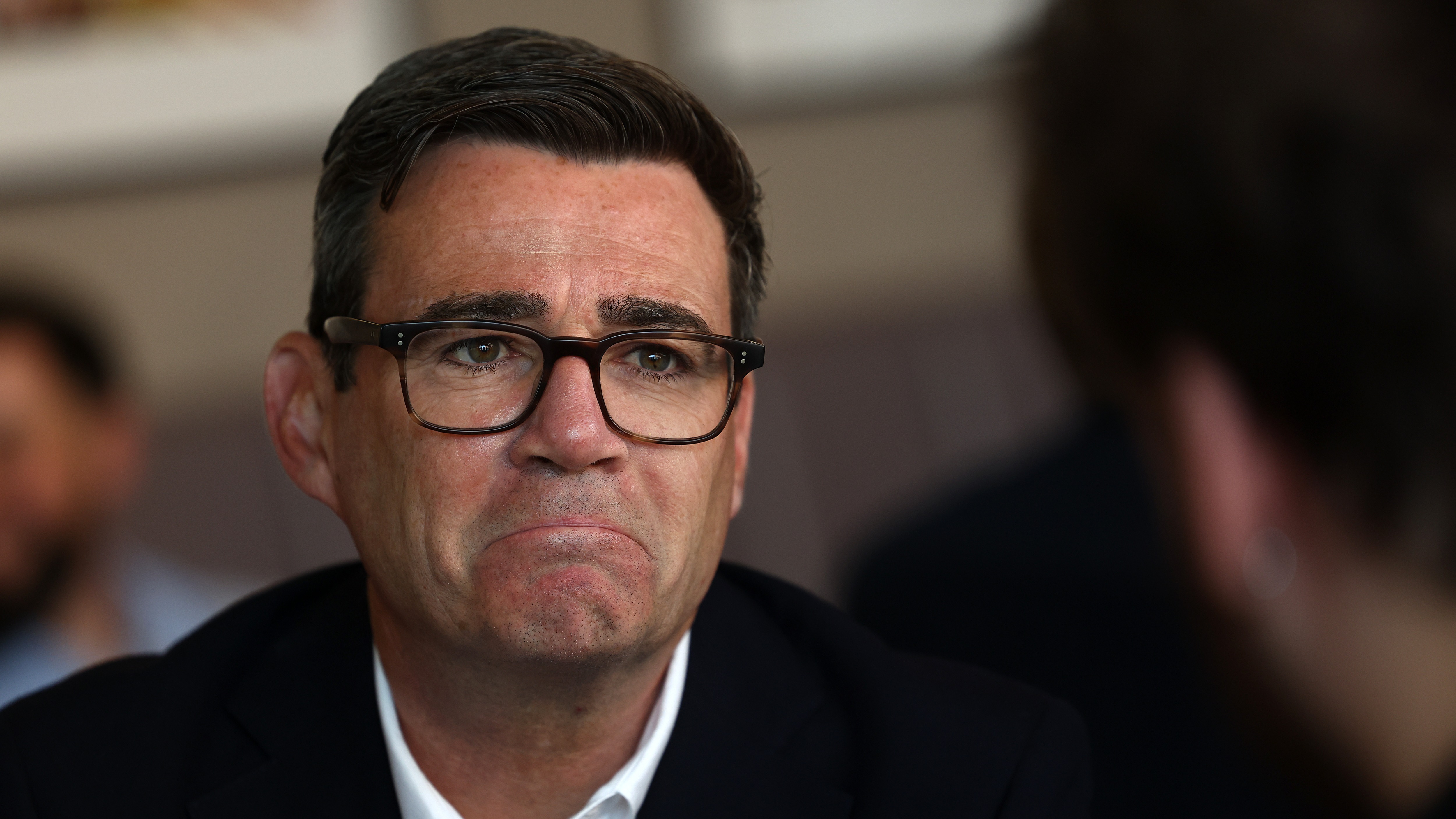
Andy Burnham has been forced to confront his first major national emergency as prime minister after calling an emergency Cobra meeting as Britain faces a dangerous combination of extreme heat, widespread wildfires and worsening drought.
The meeting, being chaired by Burnham on Wednesday, comes as temperatures are forecast to climb as high as 38°C in parts of the UK. The Met Office has issued an amber warning for extreme heat, while firefighters and emergency services are already dealing with an exceptionally difficult summer.
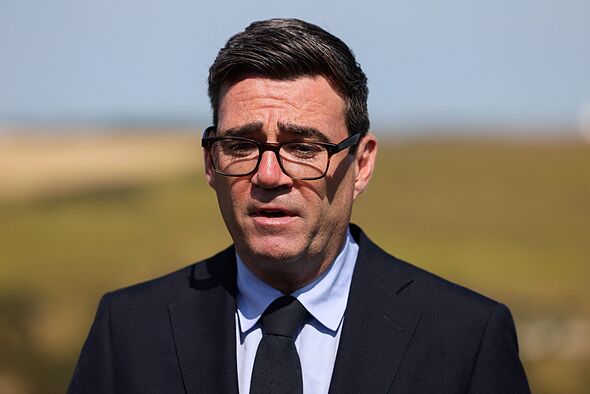
For Burnham, the timing could hardly be more significant. He entered Downing Street promising a new approach to government and presenting himself as a prime minister who would respond quickly to problems affecting ordinary people. Now, barely weeks into his premiership, he is being tested by an emergency that cannot be solved through speeches, political announcements or carefully managed headlines.
The scale of the challenge is becoming increasingly clear.
Britain is experiencing its fifth heatwave of the summer, while forecasts suggest temperatures could reach 38°C. The prolonged period of hot and dry weather has contributed to extensive wildfires and serious pressure on water supplies. Drought conditions now cover much of England and all of Wales, according to reports.
Firefighters are among those facing the greatest pressure.
Hundreds of wildfires have already been recorded across the country this year, with emergency crews dealing with conditions that make fires more difficult to control. The Fire Brigades Union has warned about the strain on resources and equipment, arguing that the country is not adequately prepared for the increasingly severe conditions associated with extreme heat.
For communities living close to affected areas, the situation is deeply worrying.
A wildfire can spread rapidly when vegetation is dry and temperatures are exceptionally high. Roads can be closed, homes may have to be evacuated and smoke can create additional risks for people with respiratory problems. Farmers face the possibility of losing crops, while businesses can suffer disruption when transport networks and outdoor workplaces are affected.
The pressure does not stop with the emergency services.
The health service is also being placed under additional strain. Extreme heat can be particularly dangerous for elderly people, young children and those with existing health vulnerabilities. Hospitals and care providers must prepare for increased demand while staff themselves work in difficult conditions.
That is one reason the Cobra meeting matters.
Cobra, the government’s emergency response committee, exists to bring ministers, officials and relevant agencies together when the country faces a serious crisis. It allows different parts of government to coordinate their response rather than dealing with an emergency in isolation.
Burnham’s meeting is expected to involve government departments and agencies responsible for issues including the environment, health, water supplies and emergency response. The government has said it understands the pressure facing firefighters, farmers and NHS staff.
But the prime minister is also facing an uncomfortable political question.
Why has the situation become so severe?
The answer is not simple. Heatwaves and drought are influenced by weather patterns and long-term climate change, while the immediate emergency requires practical action regardless of political arguments about the causes. Nevertheless, environmental groups and opposition politicians are already using the crisis to demand a stronger national strategy for dealing with extreme weather.
Green Party leader Zack Polanski has called for more ambitious action on climate change, while other critics have argued that emergency responses alone are not enough.
This creates a difficult situation for Burnham.
A government cannot control the weather.
But it can control how prepared the country is for extreme conditions.
That distinction is likely to become increasingly important during Burnham’s premiership.
For decades, climate change was often discussed as a problem for the distant future. Governments could announce long-term targets and talk about reducing emissions without necessarily facing the immediate consequences of extreme weather.
That is changing.
Britain is now experiencing heatwaves, droughts and wildfires that are increasingly difficult to treat as unusual events. The government therefore has to consider not only how to reduce emissions but how to adapt the country to a changing climate.
That means investing in firefighting capacity.
It means improving water infrastructure.
It means protecting hospitals and vulnerable people during heatwaves.
It means making homes and workplaces safer during extreme temperatures.
And it means ensuring that local authorities have the resources necessary to respond when emergencies occur.
The government has already announced £97 million to strengthen firefighting capabilities.
But critics will inevitably ask whether that is enough.
The question is particularly sensitive because Britain’s water infrastructure is under pressure too. Southern Water has applied for a non-domestic drought order covering Hampshire and the Isle of Wight, affecting potentially around 165,000 people. Meanwhile, reservoir levels and river flows have been significantly affected by the prolonged dry conditions.
Water shortages can quickly become a political problem.
People understand the need to conserve water during droughts, but they also expect the government and water companies to ensure that the country has adequate supplies. If restrictions become more severe, public anger may increasingly focus on whether Britain has invested enough in reservoirs, pipelines and other infrastructure.
The government has reportedly pointed to plans for nine new reservoirs, which would represent a major expansion of water-storage capacity.
But infrastructure takes years.
That is the central difficulty facing Burnham.
Emergency measures can be announced quickly. Long-term resilience cannot.
A £97 million funding package can help firefighters purchase equipment and improve their ability to respond. But building reservoirs, upgrading electricity networks, redesigning towns and adapting buildings to extreme temperatures requires long-term investment and planning.
This means Burnham’s response to the crisis will be judged on two different levels.
First, can his government manage the immediate emergency?
Second, can it prevent the next emergency from being quite so damaging?
The first question will dominate the news in the coming days.
The second may ultimately determine Burnham’s legacy.
There is also a political dimension to the extreme heat crisis that Burnham will find difficult to avoid.
His government must decide how aggressively to pursue climate policies while also dealing with concerns about economic growth, energy security and household costs. Environmental groups have already criticised the government for continuing to consider new North Sea oil and gas projects while declaring a commitment to tackling climate change.
Burnham will therefore need to balance immediate practical concerns with long-term environmental policy.
He cannot simply tell the public that climate change is responsible for everything.
People need action they can see.
They need firefighters who have the right equipment.
They need reliable water supplies.
They need hospitals that can cope.
They need warnings that arrive early enough to protect vulnerable people.
And they need government departments that know exactly what to do when conditions deteriorate.
That is what makes the Cobra meeting so important.
It is the first major opportunity for Burnham to demonstrate how his government operates during a genuine national emergency.
The prime minister has built his reputation around being practical and closely connected to ordinary communities. Now he must demonstrate that those qualities translate into effective national leadership.
There is little room for political theatre during an emergency.
If fires are spreading, people need firefighters.
If water supplies are under threat, they need contingency plans.
If temperatures become dangerous, vulnerable people need protection.
And if communities are at risk, government agencies need to work together.
The public will ultimately judge Burnham on whether those things happen.
The political opposition will, of course, look for weaknesses. Some will argue that the government acted too slowly. Others will say that Burnham is responding to the symptoms rather than addressing the causes. Environmental campaigners will demand stronger climate action, while critics concerned about economic growth will question the cost of additional measures.
Burnham cannot satisfy everyone.
But he can demonstrate competence.
That may be more important than any political argument.
A prime minister’s reputation is often shaped by crises. Leaders who appear calm, decisive and organised can emerge stronger. Those who appear confused or reactive can find their authority damaged very quickly.
Burnham therefore has an opportunity as well as a problem.
If his government successfully coordinates the emergency response, protects vulnerable communities and keeps essential services functioning, the Cobra meeting could become evidence that his promise of practical government was genuine.
If the response fails, however, opponents will argue that the new administration has discovered how difficult governing really is.
That is why this crisis matters far beyond the weather.
Britain is facing a changing climate, and extreme events are likely to become an increasingly important part of national politics. Governments will have to spend money not only on preventing environmental damage but on preparing for conditions that are already occurring.
The days when extreme heat could be treated simply as a short-lived inconvenience are disappearing.
For Burnham, the message is clear.
He cannot control the temperature.
He cannot order the rain to return.
He cannot prevent every wildfire.
But he can decide whether Britain is prepared.
The emergency Cobra meeting is therefore more than a response to a heatwave. It is an early test of Burnham’s leadership and a warning about the kind of crises his government may have to manage throughout its time in office.
The immediate priority is keeping people safe.
But once the fires are under control and temperatures fall, the harder questions will remain.
Does Britain have enough water?
Does it have enough firefighting capacity?
Are hospitals prepared for increasingly severe heat?
Are homes and workplaces designed for a hotter climate?
And is the government willing to make the long-term investments necessary to protect the country?
Those are questions Burnham cannot answer with a single emergency meeting.
But he can begin answering them with what his government does next.
For now, Britain is watching.
The heat is rising, the fires are burning, water supplies are under pressure — and Andy Burnham has been handed his first major national emergency.
His response could define the early months of his premiership.