

Andy Burnham Thinks He’s Played His Ace – But It’s Actually Trump Card for Reform UK
Politics is often described as a game of strategy, timing, and public perception. Political leaders frequently make decisions that they believe will strengthen their position, attract voters, or weaken their opponents. However, political calculations can sometimes produce unexpected consequences. A move designed to secure an advantage may create new opportunities for rivals instead. This idea has become central to recent debates surrounding Andy Burnham and the argument that a decision intended to strengthen Labour could ultimately benefit Reform UK.
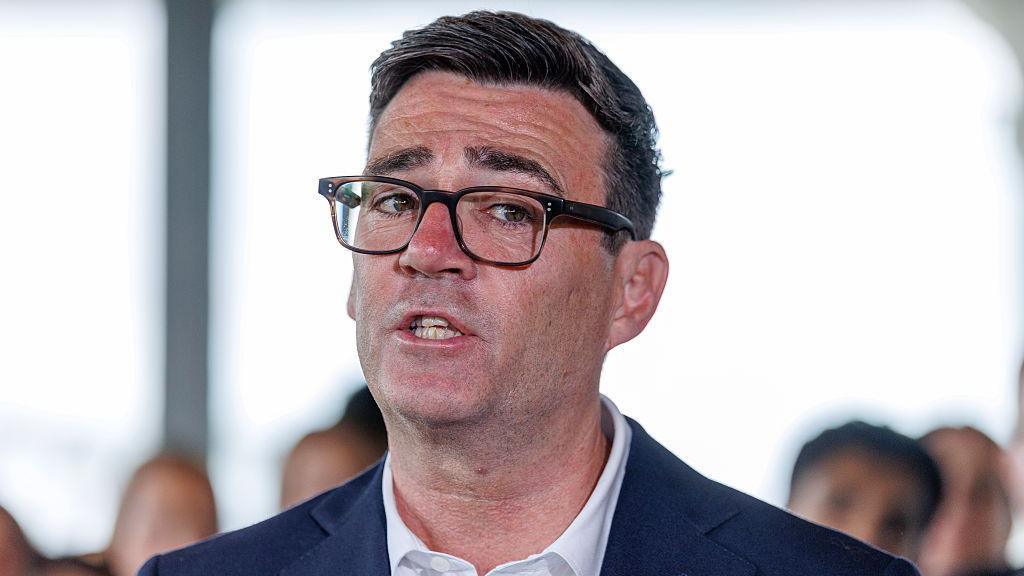
Andy Burnham has long been one of the most recognizable figures in British politics. As Mayor of Greater Manchester and a former Cabinet minister, he has developed a reputation as a politician focused on regional inequality, public services, transport, and greater powers for local communities. Supporters see him as a politician who understands concerns outside Westminster, while critics argue that his political ambitions and high public profile have sometimes created tensions within Labour’s leadership.
The debate surrounding Burnham reflects a wider transformation in British politics. Traditional party loyalties have weakened, and voters have become increasingly willing to support alternative political movements. Reform UK, in particular, has attempted to attract voters who feel dissatisfied with the established parties, focusing on issues such as immigration, taxation, public services, and distrust of political elites. Recent political contests have demonstrated that Labour, Conservatives, and Reform UK are competing for overlapping groups of voters.
Those who argue that Burnham’s actions could benefit Reform UK suggest that political decisions can have unintended consequences. By emphasizing certain issues or challenging Labour’s internal direction, Burnham may highlight divisions within the party. Opponents argue that visible disagreements among Labour figures could reinforce the perception that the party lacks a clear identity, creating opportunities for Reform UK to present itself as an alternative for frustrated voters.
One of the key issues in this debate is public dissatisfaction with traditional politics. Many voters across Britain have expressed concerns about rising living costs, pressure on public services, housing shortages, immigration, and trust in political institutions. Reform UK has attempted to capitalize on these frustrations by arguing that established parties have failed to deliver meaningful change. If Labour appears divided or uncertain, Reform UK may attempt to use that situation to strengthen its appeal among disillusioned voters.
Supporters of Burnham, however, reject the idea that his political approach helps Reform UK. They argue that his focus on practical issues such as transport, regional investment, and social policy reflects the concerns of ordinary voters. In their view, Labour can compete successfully with Reform by addressing the reasons people feel politically frustrated rather than simply criticizing alternative parties.
Burnham’s political style has often emphasized local decision-making and devolution. He has argued that communities outside London should have greater influence over economic and social policies affecting their regions. Supporters believe this approach challenges the traditional concentration of power in Westminster and offers a different vision of government. They argue that giving local leaders more responsibility can improve accountability and make public services more responsive.
However, critics question whether regional leadership can translate into national political success. A policy approach that works in one area may not necessarily appeal equally to voters across the entire country. National elections require parties to build broad coalitions of support, including voters with different economic circumstances, cultural backgrounds, and political priorities.
The rise of Reform UK has added further complexity to Labour’s political strategy. Historically, Labour and Conservative parties dominated British politics, but the growth of smaller parties has changed electoral competition. Reform UK has attracted support from some former Conservative voters, working-class voters, and individuals who feel disconnected from traditional political organizations. Its success has forced Labour and other parties to reconsider how they communicate with voters who feel ignored by mainstream politics.
A major challenge for Labour is balancing different groups within its own support base. The party includes progressive activists, trade union supporters, moderate voters, and people who prioritize economic stability over ideological debates. Maintaining unity among these groups requires careful political management. Internal disagreements can attract media attention and create opportunities for opponents to question the party’s direction.
The media plays an important role in shaping these political narratives. Headlines describing political moves as “aces” or “trump cards” often use dramatic language to suggest strategic victories or failures. However, political outcomes are rarely determined by a single decision. Elections depend on many factors, including economic conditions, leadership performance, local issues, campaign organization, and public opinion at the time of voting.
Recent political developments have shown that public support can change quickly. Polling movements and election results can reflect temporary reactions as well as deeper shifts in voter attitudes. For example, Labour has experienced periods of both pressure and recovery, while Reform UK has gained attention through campaigns focused on dissatisfaction with existing political structures.
The argument that Burnham’s actions could become a “trump card” for Reform UK highlights an important feature of modern politics: opposition parties often benefit when their rivals appear divided. A party does not always need to persuade every voter to support it directly; sometimes it gains strength because voters lose confidence in alternatives. Therefore, maintaining unity and communicating a clear message are crucial for political organizations.
Nevertheless, Reform UK’s future success will depend on more than Labour’s internal debates. The party must continue building organizational strength, developing detailed policies, and convincing voters that it can deliver effective government. Political dissatisfaction can create opportunities, but converting frustration into long-term electoral support requires credibility and public trust.
Similarly, Labour’s success will depend on whether it can respond effectively to voters’ concerns. Economic performance, public services, housing, and national priorities will likely have a greater impact on future elections than individual political disputes. If Labour can demonstrate successful governance and maintain public confidence, internal disagreements may have limited long-term consequences.
The situation also reflects a broader question about the future of British politics. The traditional two-party system has faced increasing pressure from emerging movements and changing voter attitudes. Many citizens no longer identify permanently with one political party and instead make decisions based on specific issues or current circumstances. This creates both opportunities and challenges for all major political organizations.
In conclusion, the claim that Andy Burnham believes he has played his “ace” while actually giving Reform UK a political advantage reflects the intense competition shaping modern British politics. Supporters argue that Burnham represents a practical approach focused on communities and public services, while critics believe internal Labour debates could create opportunities for rivals. The reality is likely more complicated: political success depends on many factors, including leadership, policies, economic conditions, and public trust. Whether Burnham’s decisions ultimately strengthen Labour or provide opportunities for Reform UK will depend on how voters respond in future elections.