
Andy Burnham, Wes Streeting and the Debate Over Labour’s Future Leadership
Political parties are constantly shaped by debates about leadership, direction, and the future. Even when a leader is firmly in place, speculation about potential successors often attracts attention, particularly when senior figures have built strong public profiles and developed distinct political identities.
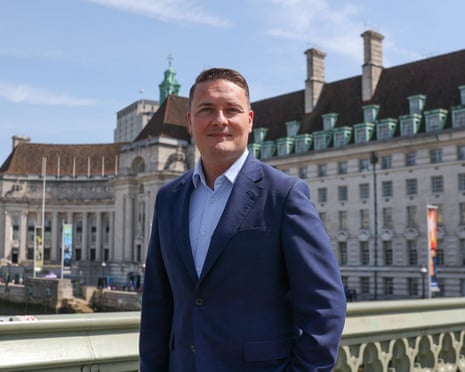
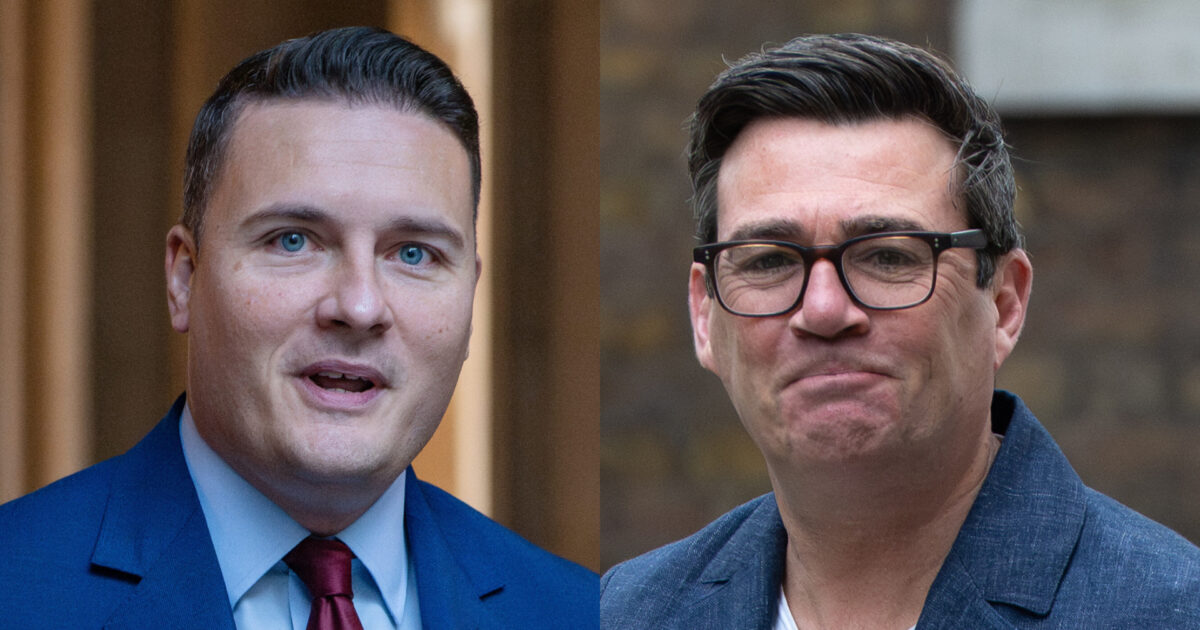
Within Labour, figures such as Andy Burnham and Wes Streeting have frequently been discussed by commentators because of their different experiences, political styles, and areas of focus. Any discussion about future leadership is ultimately shaped by many factors, including electoral performance, public opinion, internal party dynamics, and the challenges facing the country.
The possibility of future leadership contests often creates a wider debate about what voters expect from political parties. Should a party prioritise experience and continuity, or should it look for a new direction and a different style of leadership? These questions emerge in almost every major political organisation.
Andy Burnham has developed a distinctive political reputation through his role as Mayor of Greater Manchester. After serving as a government minister, including in senior cabinet positions, he moved into regional leadership and became associated with issues such as transport, devolution, public services, and regional investment.
Supporters of Burnham argue that his experience outside Westminster has strengthened his understanding of local communities and the practical challenges facing public services. They point to his emphasis on giving regions more decision-making power and creating stronger local economies.
Critics, however, argue that national leadership requires different skills. Running a city region involves different responsibilities from managing an entire country, where leaders must deal with international relations, national security, economic policy, and decisions affecting millions of people across diverse communities.
Wes Streeting represents a different generation within Labour politics. As a senior Labour figure, he has developed a reputation for focusing on public services, particularly healthcare reform, and has frequently emphasised the importance of improving efficiency and delivery.
Supporters view Streeting as a politician who represents renewal and modernisation. They argue that his approach reflects an attempt to make Labour appear focused on practical outcomes rather than ideological debates.
Critics, meanwhile, question whether a newer generation of politicians can provide the experience required for the most senior leadership roles.
These contrasting profiles illustrate a broader question facing Labour and many other political parties: what type of leadership is most effective in a changing political environment?
Modern voters often demand both competence and authenticity. They want leaders who understand complex policy issues but can also communicate in a simple and relatable way.
This balance is difficult to achieve.
A potential leader must appeal to party members, parliamentary colleagues, and the wider electorate. These groups do not always have identical priorities.
Party activists may prioritise ideological commitments and long-term principles. General election voters may focus more heavily on immediate concerns such as household finances, healthcare, housing, and employment.
Successful political leaders must often bridge these different expectations.
Leadership discussions also tend to highlight divisions within parties, even when those divisions may be exaggerated by political opponents or media coverage.
Large political parties usually contain a wide range of views. Disagreement over strategy, policy priorities, or communication style is a normal part of democratic politics.
The challenge is maintaining unity while allowing debate.
For Labour, future leadership discussions are closely connected to broader questions about the party’s identity. Should it focus primarily on economic growth and public service reform? Should it emphasise social change and redistribution? How should it respond to the concerns of voters who have moved away from traditional party loyalties?
These questions have become increasingly important as British politics becomes more competitive.
The rise of smaller parties and changing voter behaviour means established parties can no longer assume long-term loyalty from traditional supporters.
This environment creates both opportunities and risks.
A politician with strong public recognition may attract attention, but leadership requires more than popularity. It requires the ability to build alliances, manage internal disagreements, communicate effectively, and make difficult decisions.
Potential leaders are also judged on their ability to respond during moments of crisis.
Economic downturns, international events, public service pressures, and unexpected challenges can quickly change political priorities.
The ability to adapt while maintaining public confidence is one of the defining qualities of successful leadership.
Media coverage plays a major role in shaping leadership debates. Reports about possible contenders can influence perceptions, even before any formal leadership contest begins.
However, political careers often develop in unpredictable ways. Figures who appear unlikely candidates can rise quickly, while early favourites can lose momentum.
Public opinion, election results, and major national events frequently reshape political expectations.
For Burnham, Streeting, and any other potential Labour figures, the key challenge is demonstrating that they can address the concerns of voters and provide a credible vision for the future.
Leadership is ultimately judged not only by speeches or media appearances but by whether politicians can deliver meaningful improvements.
The issues facing Britain are significant. Economic growth, healthcare pressures, housing shortages, climate policy, education, and public confidence in institutions all require long-term attention.
Any future Labour leader would need to explain how the party would respond to these challenges while maintaining voter trust.
The debate over possible successors is therefore about more than individual ambition. It reflects a wider discussion about what Britain needs from its political leaders.
Some voters may prefer experienced figures who have spent years managing complex responsibilities. Others may prefer newer voices offering a different approach.
Both perspectives have influenced political change throughout history.
Ultimately, leadership contests are decided by circumstances as much as personalities. A politician’s success depends on timing, public mood, party support, and the ability to respond to the challenges of the moment.
Andy Burnham and Wes Streeting represent different experiences and styles within Labour politics. Whether either figure plays a major role in the party’s future will depend on events that have yet to unfold.
For now, the discussion reflects a broader reality of modern politics: leadership is constantly being tested, and political parties must continually adapt to the expectations of voters.
The future direction of Labour, like the future direction of British politics more widely, will be shaped by the choices leaders make and the confidence they can build among the public.