

The Five Political Forces That Could Shape Reform UK’s Challenge and Andy Burnham’s National Ambitions

British politics is entering a period of uncertainty where traditional assumptions about party loyalty, leadership, and election campaigns are being tested. As political movements compete for influence, attention has increasingly focused on the future direction of both established parties and emerging challengers.
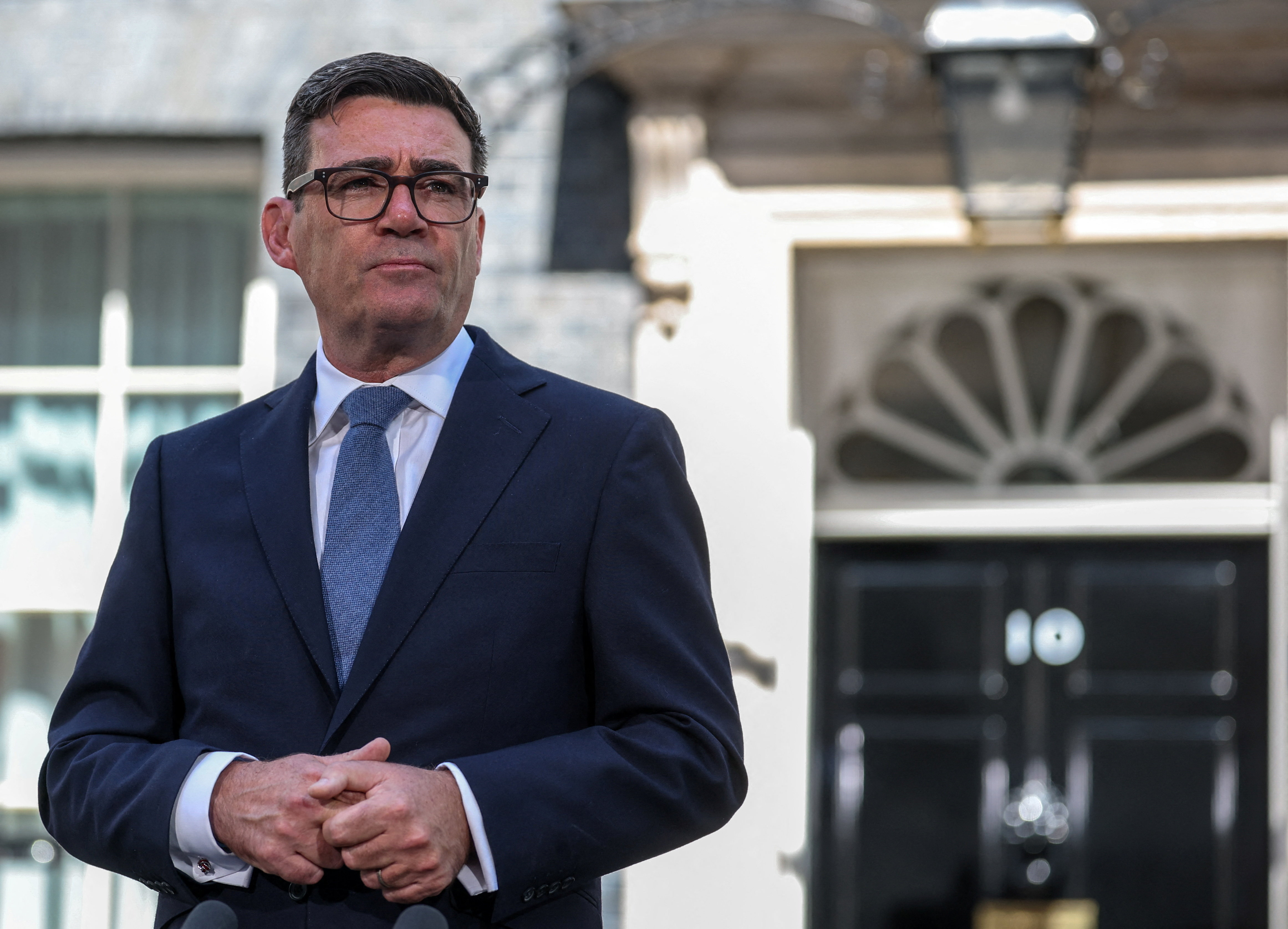
Among the figures attracting attention is Andy Burnham, whose long political career and regional leadership have led to speculation about his potential future role in national politics. At the same time, Reform UK has continued to build visibility by presenting itself as an alternative to the traditional political establishment.
The competition between different political forces is not determined by one speech, one poll, or one campaign moment. Instead, it depends on a combination of leadership, organisation, public opinion, policy credibility, and the ability to connect with voters across the country.
For Reform UK, several factors could influence its ability to expand its influence. For Burnham and other established politicians, these same factors represent challenges that require careful political strategy.
Here are five major forces that could shape the future political landscape.
1. Public dissatisfaction with traditional politics
One of the strongest opportunities for newer political movements is voter frustration. Across many democracies, including Britain, some citizens have become increasingly sceptical of established parties and political institutions.
Concerns about the cost of living, public services, taxation, housing, and trust in government have created an environment where alternative political messages can attract attention.
Reform UK has sought to position itself as a party willing to challenge existing approaches. Supporters argue that it represents voters who feel ignored by traditional politicians.
For established politicians such as Burnham, the challenge is demonstrating that experience and existing political structures can still deliver meaningful improvements.
The debate is therefore not simply about personalities. It is about whether voters believe change is best achieved through established institutions or through newer political movements.
2. The power of political communication
Modern politics is heavily influenced by communication. Leaders who can explain their ideas clearly and connect emotionally with voters often gain significant advantages.
Reform UK has benefited from strong messaging around issues that generate public debate. Its supporters argue that the party communicates directly and avoids traditional political language.
However, effective communication alone does not guarantee long-term success. Voters eventually expect detailed answers about how policies would work and how promises would be funded.
For any political figure seeking national influence, communication must be matched by credibility.
Burnham has developed his own political style, often focusing on practical issues affecting communities, including transport, regional investment, and local decision-making.
The contrast between different communication styles is likely to remain an important part of political competition.
3. Policy credibility and economic plans
The biggest test for any party seeking government influence is moving from criticism to solutions.
Opposition movements often gain support by highlighting problems. However, voters eventually ask how those problems would be addressed.
Economic policy is particularly important.
Questions about taxation, public spending, business growth, wages, and investment affect every household. Any party hoping to gain wider support must explain how it would manage the economy while maintaining essential public services.
Reform UK has argued for changes aimed at reducing burdens on individuals and businesses. Supporters believe such measures could encourage economic growth.
Critics argue that ambitious proposals require detailed financial explanations.
Similarly, politicians from established parties face questions about whether their economic strategies can deliver improvements while managing government finances responsibly.
4. Electoral strategy and organisation
Winning public attention is different from winning elections.
Britain’s electoral system creates particular challenges because parties must win individual constituencies rather than simply achieve strong national vote shares.
A successful political movement requires more than popular messages. It needs candidates, volunteers, local organisation, fundraising, and long-term planning.
Established parties have significant advantages because they possess decades of infrastructure.
For Reform UK, building a nationwide organisation capable of competing consistently remains a major challenge.
For politicians such as Burnham, strong local recognition can provide an advantage, but national politics requires appealing to voters far beyond one region.
The ability to translate popularity into electoral success is one of the most important factors in determining political outcomes.
5. Leadership and public trust
Ultimately, politics often comes down to questions of leadership.
Voters frequently ask whether a politician appears capable of handling difficult decisions, representing the country internationally, and responding effectively during moments of crisis.
Different voters value different qualities.
Some prefer experienced leaders who understand government institutions. Others prefer figures who promise disruption and major change.
This creates opportunities and challenges for all political movements.
For Burnham, his experience in government and regional leadership provides a foundation for his political profile. Supporters argue that this demonstrates practical knowledge and an understanding of public services.
For Reform UK figures, the argument is often that Britain requires a different approach from the one offered by traditional parties.
The question of leadership therefore becomes a broader debate about what type of politics voters want.
The wider political battle
The future of British politics will not be decided solely by competition between two individuals or two parties. It will depend on wider social and economic trends.
Issues such as healthcare, housing, employment, immigration, national security, and economic growth will continue shaping voter priorities.
Political movements that successfully respond to these concerns are likely to gain influence.
Those that fail to convince voters may struggle, regardless of how much attention they receive.
For Reform UK, the opportunity is clear: continue building support by presenting itself as a credible alternative.
For established politicians, the challenge is equally clear: demonstrate that existing political structures can still deliver results.
Andy Burnham’s potential national ambitions, like those of any politician, would depend on many factors including public opinion, party dynamics, and electoral circumstances.
Likewise, Reform UK’s future influence would depend on whether it can transform political attention into lasting public support.
The coming years are likely to be defined by competition between different visions of Britain’s future.
One vision emphasises experience, institutions, and gradual reform. Another seeks greater disruption and a different political direction.
Ultimately, voters will decide which approach they believe offers the strongest answer to the challenges facing the country.
In modern politics, momentum can change quickly. A party that appears unstoppable today can face difficulties tomorrow, while unexpected movements can reshape the political conversation.
The real test for every political force is not winning headlines, but earning lasting public confidence.