


Andy Burnham and the Tax Debate: How Political Claims Shape Public Perception
Tax has always been one of the most sensitive subjects in politics. Few issues create stronger reactions from voters than questions about how much money governments should collect, who should pay, and how public funds should be used. When politicians discuss taxation, debates quickly move beyond numbers and become arguments about fairness, responsibility, and the role of government.
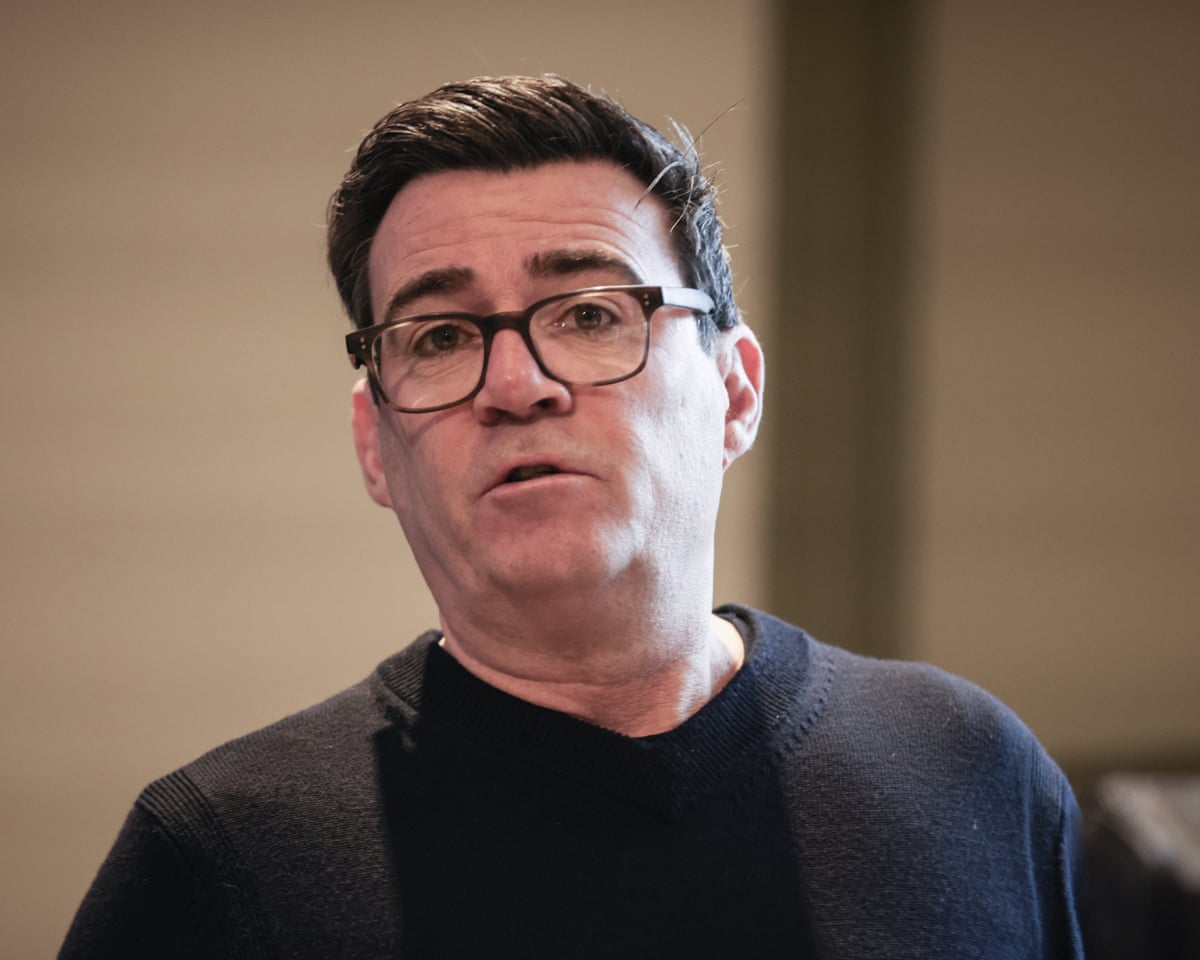
Recent criticism aimed at Andy Burnham reflects a familiar pattern in political debate: opponents attempting to define a politician’s economic approach before voters have fully considered the details. Claims that a leader would impose excessive taxation are common political attacks, particularly when public finances are under pressure and people are already concerned about the cost of living.
However, the reality behind tax policy is usually far more complicated than campaign slogans suggest. Decisions about taxation involve difficult choices about public services, economic growth, investment, and government spending. A politician’s position cannot always be understood through a single statement or accusation.
For supporters of higher public spending, taxation is a necessary tool that allows governments to fund essential services. They argue that quality healthcare, education, transport, infrastructure, and local services require adequate investment. From this perspective, asking citizens and businesses to contribute through taxation is part of creating a functioning society.
Critics take a different view. They argue that excessive taxation can discourage investment, reduce economic activity, and place unnecessary pressure on households and businesses. They believe governments should focus on efficiency, reducing waste, and allowing individuals to keep more of their own income.
This disagreement represents one of the oldest debates in politics: how to balance the needs of society with the economic freedom of individuals.
For politicians such as Andy Burnham, who has built a public profile through local government leadership and national political discussions, economic policy is a major part of public perception. Voters often judge leaders not only by their intentions but also by whether they believe those leaders understand the financial pressures faced by ordinary people.
One challenge for any politician discussing taxation is that the public wants two things that can sometimes conflict. Many voters want better public services, but they also want lower personal costs. Governments must therefore explain how they will pay for improvements while maintaining economic confidence.
Political opponents often use taxation as a powerful campaign issue because it connects directly to people’s personal finances. A claim that a politician will increase taxes can create concern among voters, even before specific policies are announced.
This is why political communication matters so much. A government or political leader must explain not only what they plan to do but also why they believe their approach is necessary. Without clear explanations, opponents can define the debate with their own interpretation.
The phrase “tax you to oblivion” represents a common style of political language designed to create an emotional response. Strong wording can attract attention, but it does not always provide a complete picture of economic policy.
A serious discussion about taxation requires looking at several questions. Which taxes would change? Who would be affected? What would the revenue be used for? Would the policy improve public services, reduce inequality, encourage growth, or create economic difficulties?
Without answers to these questions, debates can become focused more on political messaging than practical consequences.
Another important factor is the difference between national and local government. Local leaders often face pressure to improve services while working within financial limits. They must make decisions about budgets, priorities, and investment. These experiences can influence how politicians approach economic issues at a national level.
Supporters of regional leadership often argue that politicians with experience managing local challenges understand the realities faced by communities outside Westminster. Critics may argue that national economic decisions require a different level of responsibility and broader consideration.
The tax debate also reflects changing public attitudes toward government. In recent years, many voters have become more interested in how money is spent rather than simply whether taxes are high or low. Questions about efficiency, accountability, and results have become central to political discussions.
A government can justify higher taxes if voters believe they will see clear benefits. However, even well-intentioned tax policies can face opposition if people feel the money is not being used effectively.
This creates a major challenge for political leaders. They must build trust before asking citizens to accept difficult financial decisions. Without trust, even necessary policies can become politically unpopular.
The role of media coverage also influences how taxation debates develop. Headlines often focus on conflict because dramatic claims attract attention. A detailed economic argument may receive less public discussion than a simple accusation or political attack.
Social media has increased this effect. Short clips and statements can spread quickly, often without the wider context needed to understand a policy. As a result, voters may encounter strong opinions before they have access to detailed information.
This does not mean criticism of politicians is unfair. Holding leaders accountable is an essential part of democracy. However, effective debate requires examining evidence rather than relying only on political labels.
For any politician, the challenge is demonstrating that economic decisions are based on clear principles. Some voters prioritise lower taxes and smaller government, while others prioritise stronger public services and greater government investment. A successful political message must explain how these goals can be balanced.
Ultimately, the debate surrounding Andy Burnham and taxation reflects a much wider issue in British politics. Voters want governments that can improve their lives, but they also want confidence that their money is being managed responsibly.
Tax policy will continue to be one of the most important areas of political disagreement because it affects everyone. It influences household finances, business decisions, public services, and economic growth.
The strongest political arguments are not based simply on whether taxes should rise or fall. They are based on explaining what society wants to achieve and how those goals should be funded.
In the end, accusations about taxation are often part of a larger political struggle over trust and priorities. Leaders must convince voters not only that their policies are affordable but that they are necessary and worthwhile.
Whether voters support higher spending, lower taxes, or a different balance between the two, they will ultimately judge politicians by results. Economic promises matter, but credibility and delivery matter even more.
The debate over taxation will continue to shape British politics because it represents a fundamental question: what responsibilities should government have, and how should society pay for them?
That question has no simple answer — but it will remain at the heart of political arguments for years to come.