
Makerfield Political Battle: Why Reform’s Warning Highlights Labour’s Growing Internal Challenges
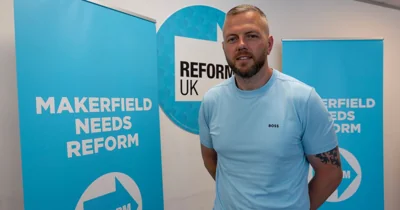
The political spotlight on Makerfield reflects a wider struggle taking place across British politics: the battle between established parties and emerging movements seeking to reshape the national conversation. A warning from a Reform candidate that Labour must not treat the constituency as a “pawn” in internal disagreements highlights the increasing importance of local contests as symbols of wider political change.
By-elections and local political battles often become more than simple contests between candidates. They can become tests of public mood, opportunities for smaller parties to gain attention, and moments when larger parties are forced to confront internal tensions. Makerfield, like many constituencies across Britain, represents the complex challenges facing political organisations attempting to maintain support in a changing electoral landscape.
For Reform UK and its candidates, the strategy is often based on presenting themselves as an alternative to traditional politics. The party has attempted to attract voters who feel disconnected from established parties and believe that major political organisations no longer represent their concerns. By challenging Labour in areas where the party has historically been strong, Reform seeks to demonstrate that political loyalties are changing.
The accusation that Labour could treat a constituency as a “pawn” in a wider internal conflict reflects a common criticism directed at large political parties. Smaller parties often argue that established organisations focus too much on internal debates, leadership struggles, and national political calculations rather than the concerns of local communities.
This argument can be powerful because voters often want politics to feel connected to their everyday experiences. They may be less interested in Westminster disputes and more concerned about issues such as public services, economic opportunities, housing, transport, and community investment.
For Labour, constituencies like Makerfield represent both opportunity and challenge. Historically, many areas with strong working-class traditions have been central to Labour’s identity. However, political changes in recent years have made these communities more competitive. Voters are increasingly willing to consider alternatives, and traditional party loyalties are not as secure as they once were.
This transformation has forced Labour to reconsider how it communicates with voters. A party that once relied heavily on historical support must now demonstrate why it remains the best choice for communities facing modern challenges.
One of the biggest issues facing all major political parties is trust. Many voters have become sceptical of political promises and increasingly question whether governments understand their concerns. Smaller parties often attempt to benefit from this frustration by presenting themselves as outsiders willing to challenge the existing system.
Reform UK’s appeal has often focused on voters who believe mainstream parties have failed to address important issues. Supporters argue that the party provides a voice for people who feel ignored. Critics, however, question whether newer movements have the experience and detailed policies needed to manage complex national challenges.
The Makerfield contest therefore represents a broader debate about the future of British politics. Is the country moving toward a more fragmented political system where several parties compete for influence, or will traditional parties eventually regain the support they have lost?
For Labour, another challenge is managing internal divisions. Large political parties naturally contain different viewpoints, and disagreements over strategy and priorities are common. However, when internal debates become highly visible, opponents often use them as evidence that a party lacks unity or direction.
A political party in government must balance different responsibilities. It must respond to internal supporters while also appealing to the wider electorate. Decisions that satisfy one group may create difficulties with another.
This challenge is particularly important in areas where voters have mixed political identities. Many communities cannot be easily defined by traditional labels such as Labour, Conservative, or Reform. People may support one party because of economic concerns, another because of cultural issues, and another because of dissatisfaction with current leadership.
Modern elections are increasingly shaped by these changing patterns. Campaigns must understand local concerns rather than relying only on national messages.
The role of candidates is also significant. Local representatives are often judged not only by party identity but by their ability to understand and represent their communities. A strong candidate can sometimes overcome wider national challenges, while a weak campaign can damage even a traditionally safe seat.
For Reform candidates, the challenge is proving that they can move beyond criticism and offer practical solutions. Opposition to established parties can attract attention, but voters also want to know what alternatives would look like in practice.
For Labour, the challenge is proving that it still represents the communities that have supported it for generations. The party must show that it understands changing expectations and can deliver meaningful improvements.
The media environment adds another layer of complexity. Political disputes can spread rapidly online, where short statements and dramatic moments often receive more attention than detailed discussions. A single comment can become a symbol of a wider political argument.
This means political parties must carefully manage their communication. A message intended for one audience may quickly reach millions of people and be interpreted in different ways.
The debate surrounding Makerfield also reflects a broader national question about political change. Across Britain, many voters are questioning whether traditional party structures still reflect modern society. New movements have gained support by arguing that politics needs disruption and reform.
However, history shows that changing politics requires more than attracting attention. Successful movements must build organisations, develop policies, and maintain public confidence over time.
The outcome of any local political contest is influenced by many factors, including candidate performance, national events, local concerns, and voter priorities. A single result rarely determines the future of a party, but it can reveal important trends.
If Reform performs strongly, it could reinforce the argument that traditional Labour support is becoming more vulnerable. If Labour maintains its position, it could demonstrate that the party remains capable of connecting with voters despite increased competition.
Ultimately, the political battle in Makerfield represents something larger than one constituency. It reflects the changing relationship between voters and political institutions. People increasingly expect parties to listen, respond, and demonstrate that they understand everyday challenges.
The warning that Labour should not treat the area as a political “pawn” captures a central issue in modern democracy: communities want to feel that they matter in their own right, not simply as pieces in a national political strategy.
Whether Reform UK can transform dissatisfaction into lasting political influence remains uncertain. Whether Labour can maintain its historic connection with communities like Makerfield is equally uncertain.
What is clear is that British politics is becoming more competitive, more unpredictable, and more focused on winning the trust of voters who are no longer automatically loyal to traditional parties.
Makerfield is therefore not only a local political contest. It is part of a much larger debate about the future direction of British democracy.