

POLL: Should Tories and Labour Stand Against Nigel Farage in the Clacton By-Election?
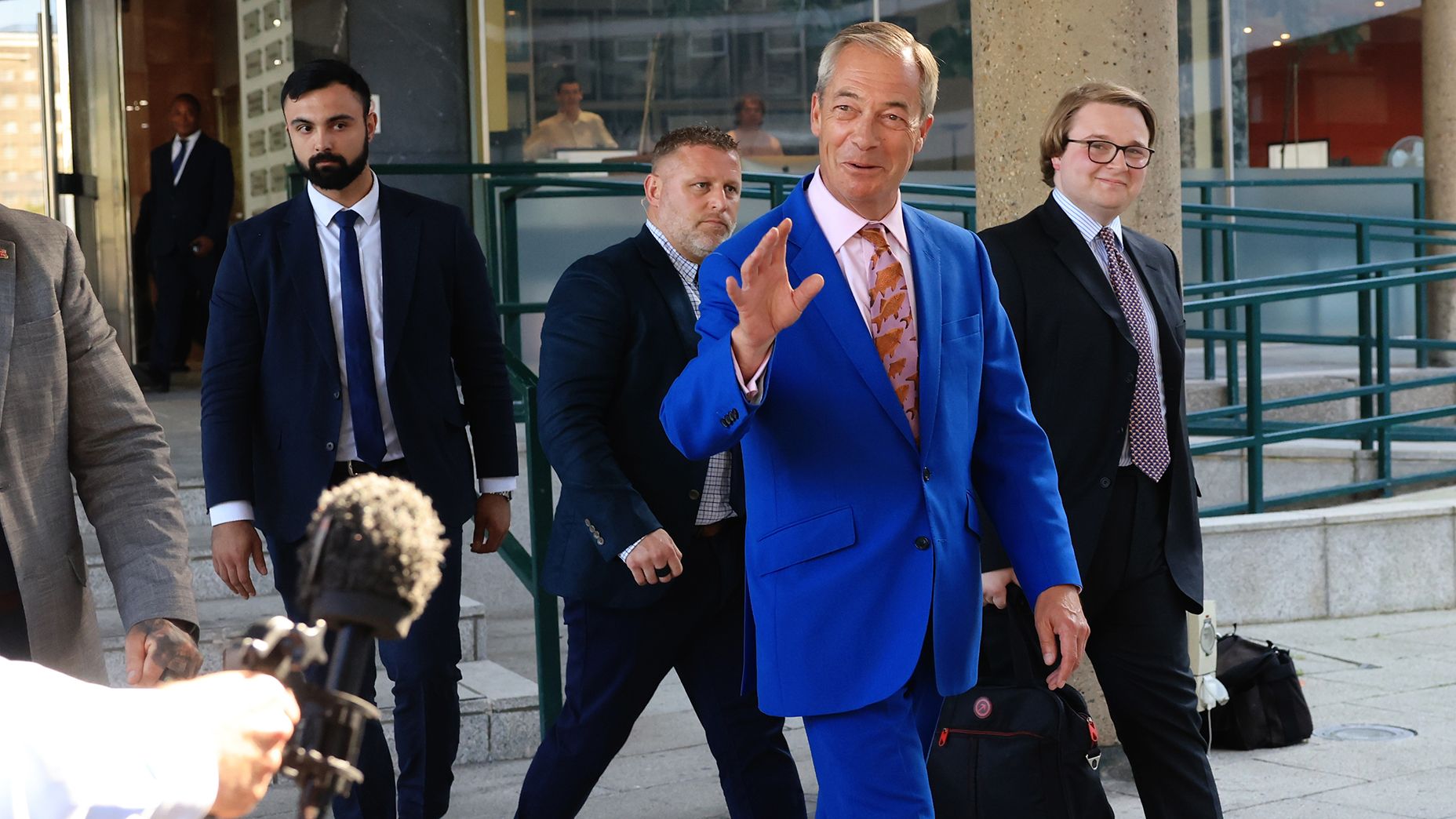
Few by-elections attract as much attention as those involving a nationally recognised political figure. The Clacton by-election has become a major political talking point because it places Nigel Farage, one of Britain’s most controversial and influential politicians, at the centre of a highly unusual contest. A key question dominating debate is whether the Conservative Party and Labour should have entered the race with their own candidates or whether allowing other challengers to contest the seat was the better strategic choice.
The question is not simply about one constituency. It reflects wider battles over political strategy, party identity, and the future direction of British politics. Should major parties fight every seat regardless of the circumstances, or should they sometimes focus their resources elsewhere? The debate surrounding Clacton demonstrates the difficult decisions political parties must make when facing a strong local candidate with significant national recognition.
Nigel Farage has long been a major figure in British politics, particularly through his role in the Brexit movement and later as leader of Reform UK. His political appeal has often been based on issues such as immigration, national sovereignty, and criticism of established political parties. Supporters see him as a politician willing to challenge the political establishment, while critics argue that his style creates division and oversimplifies complex issues.
Polling around the Clacton contest has shown that Farage entered the race as the dominant figure in the constituency. One survey suggested that Farage held a significant lead over other candidates, highlighting the difficulty facing any challenger attempting to defeat a well-known national figure.
Supporters of the argument that Labour and the Conservatives should have stood candidates believe that major parties have a responsibility to give voters a full choice. They argue that democracy works best when voters can compare different visions and policies rather than having limited options. From this perspective, withdrawing from a contest may appear as though parties are avoiding a direct challenge.
Some critics also argue that refusing to contest a seat can strengthen the reputation of smaller parties or individual politicians. If a major party does not compete, opponents may claim that it lacks confidence or is unwilling to engage with voters in difficult areas. A strong challenge, even if unsuccessful, can provide valuable information about public opinion and allow parties to maintain a presence among local communities.
However, there is another side to the debate. Political parties must consider where they can realistically win and how they should use limited resources. Campaigning requires significant time, money, volunteers, and organisational effort. In a constituency where one candidate has a strong personal following, party strategists may decide that resources would be better spent elsewhere.
The decision to stand or not stand can therefore be viewed as a strategic calculation rather than a sign of weakness. Political parties regularly make choices about where to focus their campaigns, especially during periods of changing voter behaviour. A party may decide that challenging a popular local figure is unlikely to succeed and instead concentrate on seats where victory is more achievable.
The Clacton contest also raises questions about the changing nature of British politics. Traditional party loyalties have weakened in many areas, while personalities and individual candidates have become increasingly important. Farage’s political career demonstrates how a single figure can attract attention beyond traditional party structures.
For Labour, the decision involves balancing national strategy with local representation. The party has attempted to expand its appeal across different regions and voter groups, but challenging Reform UK in areas where immigration and national identity are particularly important issues presents a difficult political calculation. A campaign against Farage could allow Labour to present its arguments directly, but it could also draw attention to issues where voters may currently favour Reform.
The Conservatives face their own strategic challenge. Reform UK has attracted support from many voters who previously backed the Conservatives, particularly on issues such as Brexit, immigration, and dissatisfaction with traditional politics. A direct contest with Farage could become a battle over the future of the right side of British politics.
Public opinion about whether parties should stand candidates is also divided. Some polling has suggested that many voters believe other parties should challenge Farage rather than leave the field largely open. This reflects a broader concern among some voters that political competition should remain strong even when the outcome appears predictable.
However, election strategy is not determined by opinion polls alone. Party leaders must consider long-term objectives, financial resources, voter trends, and the wider political environment. A decision that appears controversial in one constituency may form part of a broader national strategy.
Another important factor is the role of media coverage. By-elections involving famous politicians often receive disproportionate attention because they are seen as tests of public mood. A victory or defeat can become symbolic, even if the result does not directly change the balance of power in Parliament. This makes strategic decisions even more difficult because parties must consider not only the local result but also the national message.
The Clacton by-election also demonstrates how political narratives develop. If Farage wins comfortably, supporters may describe it as evidence of growing support for Reform UK. If he faces a stronger challenge than expected, opponents may argue that his appeal has limits. The interpretation of the result may become almost as important as the result itself.
Ultimately, whether Labour and the Conservatives should have stood against Farage depends on how voters judge the purpose of an election campaign. Some believe every seat should feature a full competition between major parties. Others accept that political organisations must make strategic choices based on realistic chances of success.
In conclusion, the debate over whether the Conservatives and Labour should have challenged Nigel Farage in the Clacton by-election reflects wider questions about modern British politics. The rise of individual politicians, changing voter loyalties, and increased competition from smaller parties have transformed the electoral landscape. While some argue that major parties should always provide voters with more choices, others believe strategic decisions are necessary in a competitive political environment. Whatever the outcome, Clacton represents more than a single by-election—it is a reflection of the changing relationship between voters, political parties, and the future direction of Britain’s political system.