
Migrant Boat Fire in the English Channel: Humanitarian Challenges, Border Security, and the Need for Safer Solutions

The English Channel has become one of the most closely watched migration routes in Europe. Every year, thousands of people attempt the dangerous journey from northern France to the United Kingdom in small inflatable boats, hoping to build safer or more prosperous lives. These crossings are often organized by criminal smuggling networks that charge large sums of money while placing migrants in overcrowded and unsafe vessels. Reports of a migrant dinghy catching fire during a Channel crossing, leading to a major rescue operation, highlight the serious risks faced by everyone involved and the continuing challenges confronting both governments and humanitarian organizations.
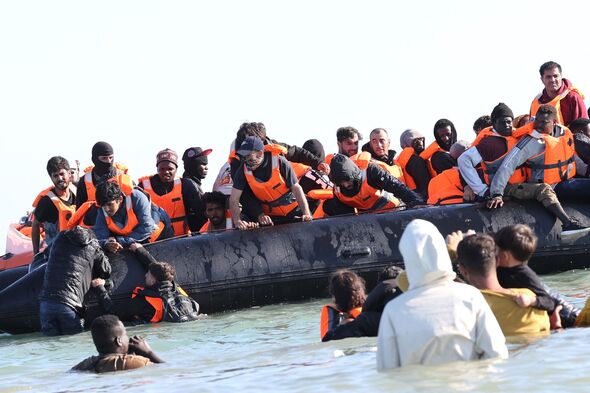
Crossing the English Channel in a small inflatable boat is extremely dangerous. Although the Channel is relatively narrow at its shortest point, it is one of the busiest shipping lanes in the world. Large cargo ships, ferries, fishing vessels, and changing weather conditions make navigation difficult even for experienced sailors. Inflatable boats used by smugglers are often unsuitable for such conditions. They may be overloaded, poorly equipped, or lacking essential safety equipment such as life jackets, emergency communication devices, and navigation systems.
When an accident such as a fire occurs at sea, the situation can become life-threatening within minutes. Fire on a small inflatable boat is particularly dangerous because passengers have very little space to escape. Panic can spread quickly, increasing the risk of people falling into the water or suffering injuries. Cold water, strong currents, and heavy maritime traffic make survival even more difficult, especially for children, elderly passengers, and those who cannot swim.
Maritime rescue operations require close cooperation between several organizations. Coast guards, naval units, lifeboat crews, helicopters, medical teams, and commercial vessels may all become involved. Their first priority is saving lives, regardless of the nationality or immigration status of those in danger. International maritime law places a strong emphasis on assisting people in distress at sea, reflecting a long-standing humanitarian principle shared by countries around the world.
The work of rescue teams is often challenging and dangerous. Crews may operate in poor weather, strong winds, or limited visibility while attempting to reach overcrowded boats. They must rescue frightened passengers, provide emergency medical care, and transport survivors to safety. These operations require careful coordination and significant public resources, demonstrating the importance of well-trained emergency services.
The rise in small-boat crossings has become one of the most controversial political issues in the United Kingdom. Governments have faced increasing pressure to reduce illegal migration while maintaining compliance with international refugee and human rights obligations. Supporters of stricter border policies argue that stronger enforcement is necessary to discourage dangerous crossings and weaken criminal smuggling networks. Others emphasize that many migrants are fleeing conflict, persecution, or severe hardship and therefore require fair access to asylum procedures.
Criminal smuggling organizations are a central part of this problem. These networks often exploit vulnerable people by promising safe journeys that are, in reality, extremely risky. Migrants may pay thousands of pounds for places on overcrowded boats with little chance of safe arrival. Smugglers generally prioritize profit rather than passenger safety, leaving migrants exposed to severe danger. Tackling these criminal networks requires international cooperation between law enforcement agencies in multiple countries.
The humanitarian dimension of Channel crossings should not be overlooked. Many migrants undertaking these journeys have experienced war, political persecution, poverty, or instability in their countries of origin. Others have spent months or years travelling through different countries before reaching northern France. Their reasons for attempting the crossing vary widely, and each individual case has its own background and legal considerations.
At the same time, governments must consider the impact of irregular migration on border management, public services, and community confidence. Immigration systems need to be orderly, efficient, and fair. If legal pathways are limited or asylum decisions take too long, pressure on the system can increase. Policymakers therefore face the difficult task of balancing humanitarian responsibilities with the need to maintain secure and well-managed borders.
Public debate about Channel crossings is often highly emotional. Some people focus primarily on border security, arguing that stronger enforcement is needed to prevent dangerous journeys. Others focus on humanitarian concerns, emphasizing the importance of protecting lives and treating migrants with dignity. In reality, these objectives do not necessarily conflict. Preventing dangerous crossings and saving lives can both be part of an effective migration policy.
International cooperation is essential because migration is rarely the responsibility of one country alone. The United Kingdom, France, and other European nations share an interest in reducing dangerous sea crossings, disrupting smuggling networks, and ensuring that asylum systems function effectively. Information sharing, joint patrols, intelligence gathering, and coordinated investigations can improve both border security and public safety.
The media also has an important responsibility when reporting migration incidents. Accurate reporting helps the public understand the complexity of migration rather than reducing it to simple slogans or dramatic headlines. Coverage should distinguish between confirmed facts and speculation while recognizing both the human impact of accidents and the broader policy questions involved.
Social media has made migration debates even more polarized. Images or short video clips from rescue operations often spread rapidly online, sometimes without important context. This can lead to misunderstanding, emotional reactions, or misinformation. Reliable information from official authorities and trusted news organizations is therefore especially important during developing situations.
Looking ahead, reducing dangerous Channel crossings will likely require a combination of measures. Stronger action against organized smuggling groups, faster asylum procedures, improved international cooperation, and carefully managed legal migration pathways may all contribute to reducing the number of people risking their lives at sea. Long-term solutions may also involve addressing the conflicts, economic hardship, and instability that encourage migration in the first place.
Ultimately, any maritime emergency serves as a reminder that migration is not only a political issue but also a humanitarian one. Regardless of differing opinions on immigration policy, protecting human life remains a fundamental obligation. Rescue operations demonstrate the professionalism and dedication of emergency responders, while also highlighting the urgent need for policies that reduce the likelihood of such dangerous journeys.
In conclusion, reports of a migrant boat catching fire in the English Channel illustrate the serious risks associated with irregular sea crossings. They emphasize the importance of maritime rescue services, international cooperation, and effective migration management. While political debate over border policy is likely to continue, there is broad agreement that preventing loss of life, combating criminal smuggling networks, and developing safer, more orderly migration systems should remain central priorities for governments and international partners.