
“The BBC Hate Us!” – Reform UK Throw Strop After Scrutiny on Small Boats Olympic
The relationship between politicians and the media is often tense, especially during election campaigns or debates on controversial issues. In democratic societies, journalists are expected to question politicians, challenge their claims, and hold them accountable for their policies. At the same time, political parties sometimes argue that media organizations treat them unfairly or show political bias. Recently, Reform UK accused the British Broadcasting Corporation (BBC) of being hostile towards the party after its representatives faced detailed questioning about their policy on stopping migrants from crossing the English Channel in small boats. The dispute has reignited debate about media impartiality, political accountability, freedom of the press, and the challenges of discussing immigration policy in modern Britain.
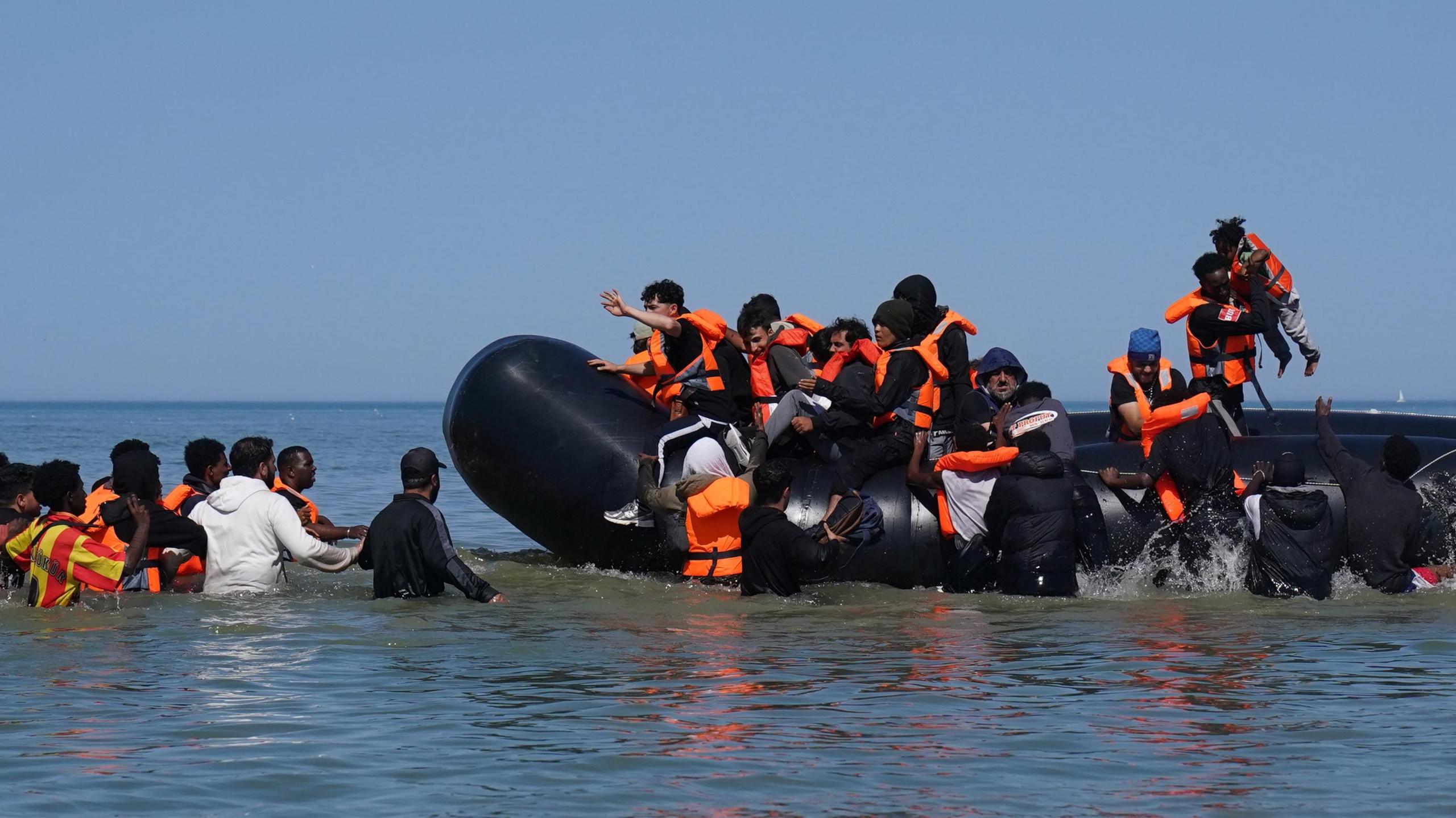
Illegal migration across the English Channel has become one of the most significant political issues in the United Kingdom. Every year, thousands of migrants attempt the dangerous journey from northern France to southern England in small inflatable boats. Many are fleeing war, persecution, poverty, or political instability, while others hope to find better economic opportunities. These crossings are often organized by criminal smuggling gangs that charge migrants large sums of money while providing overcrowded and unsafe boats. The issue has generated intense public concern because it affects border security, public spending, international relations, and humanitarian responsibilities.
Reform UK has made reducing illegal immigration one of its central political priorities. The party argues that current government policies have failed to secure Britain’s borders and prevent illegal crossings. Among its proposals are using the Royal Navy to intercept migrant boats, strengthening border enforcement, accelerating deportations for those without legal permission to remain, and leaving certain international agreements that the party believes restrict Britain’s ability to control immigration. Reform UK argues that tougher measures would discourage illegal migration and dismantle the business model of human-smuggling networks.
During a BBC interview, party representatives were questioned about whether these proposals were practical, legal, and financially achievable. Journalists asked how naval operations would comply with international maritime law, what would happen to asylum seekers intercepted at sea, how much the policies would cost, and whether returning boats could endanger lives. These questions reflected concerns raised by legal experts, humanitarian organizations, and political opponents. Rather than accepting the questioning as routine political scrutiny, some Reform UK representatives argued that the BBC was deliberately hostile toward their party.
The accusation that “the BBC hates us” attracted significant media attention. Supporters of Reform UK argued that the broadcaster frequently applies tougher questioning to their party than to larger political parties. They claimed that BBC interviewers focused excessively on weaknesses in Reform UK’s proposals while giving insufficient attention to problems with existing government policies. Some supporters also argued that the BBC’s editorial culture tends to favor more moderate or establishment political viewpoints.
However, many journalists and media experts rejected these accusations. They argued that challenging politicians is one of the BBC’s primary responsibilities as a public service broadcaster. Interviewers routinely question representatives from all major political parties, asking them to explain how their policies would work in practice. According to this view, difficult interviews demonstrate journalistic professionalism rather than political bias. If politicians make ambitious promises, journalists have a duty to examine whether those promises are realistic, affordable, and legally possible.
The controversy raises an important question about the role of the media in a democratic society. A free press is often described as one of the foundations of democracy because it provides citizens with information needed to make informed political decisions. Journalists investigate government actions, verify factual claims, expose misconduct, and question political leaders regardless of their political affiliation. Without independent journalism, voters would have fewer opportunities to evaluate competing political proposals critically.
At the same time, maintaining public trust in the media is increasingly difficult. Social media platforms allow politicians to communicate directly with supporters without relying on traditional news organizations. As a result, disagreements between politicians and journalists frequently become public controversies. Political parties sometimes argue that negative coverage reflects ideological bias rather than objective reporting. Media organizations, meanwhile, argue that rigorous questioning should not be confused with hostility or partisanship.
Immigration policy is particularly challenging because it involves competing values. Governments have a responsibility to protect national borders, combat criminal smuggling networks, and maintain public confidence in the immigration system. At the same time, international law protects the rights of refugees and asylum seekers, while humanitarian organizations emphasize the need to save lives at sea and protect vulnerable people fleeing conflict or persecution. Because these issues are highly sensitive, journalists often ask detailed questions about how proposed policies would balance security, legality, and humanitarian obligations.
The BBC occupies a unique position within British public life. Funded through the television licence fee, it has a legal obligation to maintain impartiality in its news coverage. This responsibility requires the broadcaster to provide balanced reporting, represent a range of political viewpoints, and challenge political claims regardless of which party makes them. Although individual viewers sometimes accuse the BBC of bias from different political perspectives, maintaining complete neutrality in highly polarized political debates remains a difficult task.
Political communication has also changed significantly in the digital age. Short video clips from interviews are quickly shared on social media, often without the surrounding context. Supporters of different political parties may interpret the same interview in completely different ways depending on their existing beliefs. Some viewers may see firm questioning as evidence of professional journalism, while others view it as unfair treatment. This demonstrates how media consumption increasingly reflects political polarization.
The disagreement between Reform UK and the BBC also illustrates broader tensions between populist political movements and established media institutions. Populist parties in many democratic countries have argued that mainstream media organizations are disconnected from ordinary citizens or biased against anti-establishment viewpoints. By criticizing media organizations, these parties may strengthen support among voters who already distrust traditional institutions. However, critics argue that repeatedly attacking independent journalism may weaken public confidence in reliable sources of information.
Despite the controversy, strong political scrutiny remains essential. Politicians seeking public office should expect detailed questioning about their policies because voters deserve clear explanations before elections. Whether discussing immigration, taxation, healthcare, education, or defence, elected representatives should be prepared to defend their proposals with evidence, practical planning, and legal justification. Similarly, journalists must strive to conduct interviews fairly, professionally, and consistently across all political parties.
In conclusion, Reform UK’s criticism of the BBC following scrutiny of its small boats policy reflects wider debates about media impartiality, political accountability, and freedom of the press. While the party argues that it receives unfair treatment from the broadcaster, many journalists maintain that robust questioning is a normal and necessary part of democratic politics. Immigration remains one of the most complex issues facing the United Kingdom, requiring careful consideration of border security, international law, and humanitarian responsibilities. Ultimately, both politicians and journalists play essential roles in democracy: politicians must explain and justify their policies, while journalists must examine those policies critically so that citizens can make informed decisions. Healthy democratic debate depends not on avoiding difficult questions but on answering them openly, accurately, and responsibly.