

Reform UK Would Use the Navy to Stop Small Boats in the English Chanh
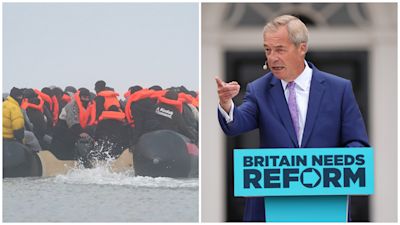
Immigration has become one of the most controversial political issues in the United Kingdom. In recent years, thousands of migrants have crossed the English Channel in small boats, hoping to seek asylum or build a new life in Britain. This situation has created political debate, public concern, and pressure on the government to find effective solutions. Reform UK, a political party in Britain, has proposed a strong policy to deal with the issue. The party argues that the Royal Navy should be used to stop small boats from crossing the Channel. While supporters believe this policy would strengthen border security and discourage illegal migration, critics argue that it raises legal, humanitarian, and ethical concerns. Therefore, the proposal deserves careful examination from different perspectives.
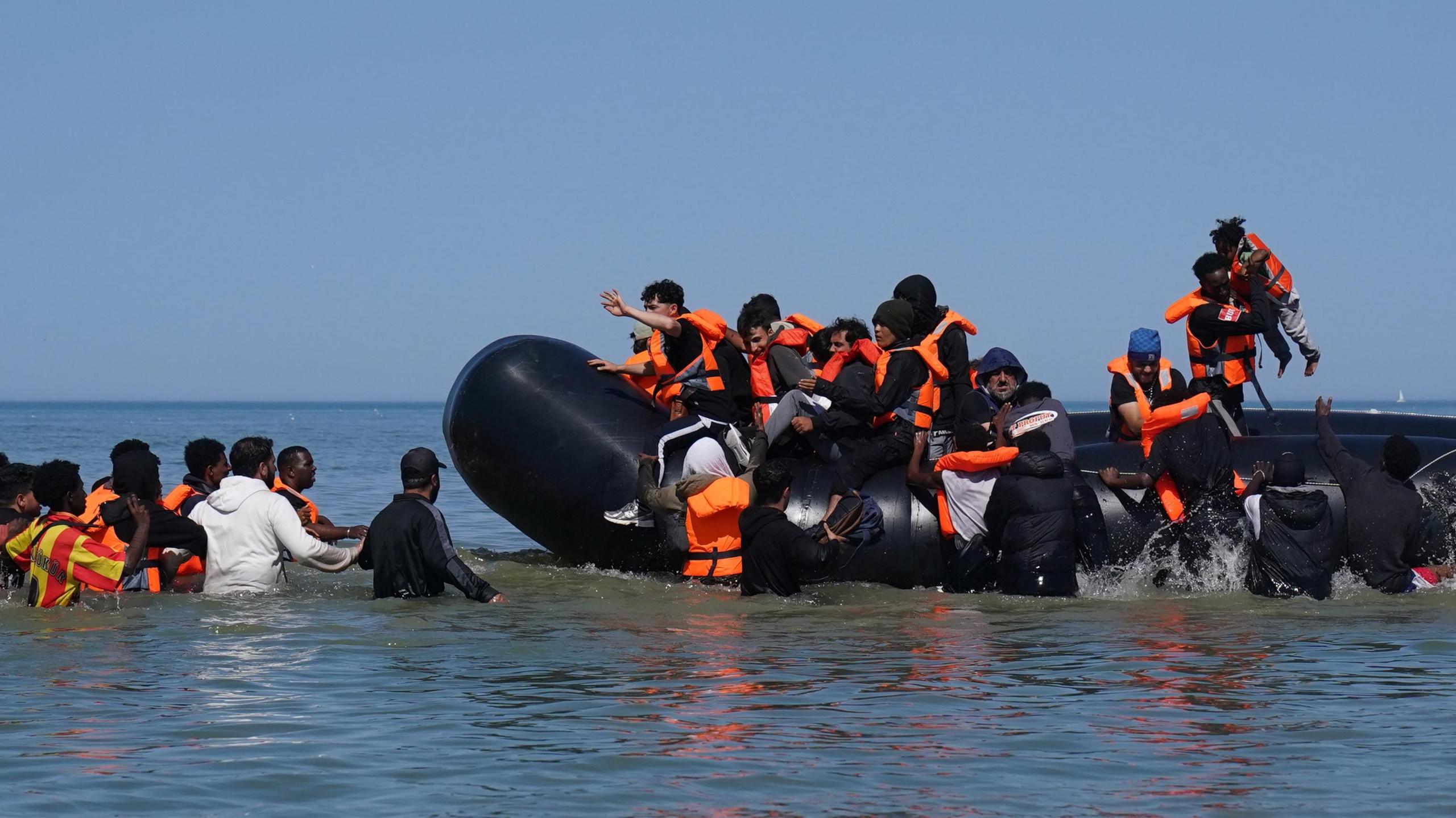
One of the main reasons Reform UK supports the use of the Royal Navy is the growing number of migrants crossing the Channel. Despite increased border controls and agreements with France, the number of people making dangerous sea crossings has remained high. Many of these migrants travel in overcrowded inflatable boats operated by criminal smuggling gangs. These journeys are extremely dangerous because the English Channel is one of the busiest shipping routes in the world, with unpredictable weather and strong currents. Every year, there are reports of tragic accidents resulting in injuries or deaths. Reform UK believes that stronger military action would discourage people from attempting these dangerous crossings in the first place.
Another argument in favor of using the Navy is national security. Every country has the right to protect its borders and regulate who enters its territory. Reform UK argues that uncontrolled migration creates security risks because authorities may not always know the identities or backgrounds of those arriving. Although many migrants are genuine refugees fleeing war or persecution, others may not qualify for asylum or may have criminal records. By deploying the Royal Navy, supporters believe the government could gain greater control over Britain’s maritime borders and improve the screening process before migrants enter the country.
In addition, Reform UK argues that illegal migration places significant pressure on public services. Local councils, schools, hospitals, and housing services may struggle to meet increased demand, especially in communities already facing shortages. The government also spends large amounts of money on processing asylum claims and providing temporary accommodation for migrants. Supporters of the proposal argue that preventing illegal arrivals would reduce these financial burdens and allow public resources to be directed toward British citizens and legal immigrants who have followed official immigration procedures.
The proposal also aims to weaken criminal smuggling networks. Human trafficking organizations earn millions of pounds by arranging illegal crossings across the English Channel. These gangs often exploit vulnerable people by charging high fees and placing them in unsafe boats with little chance of completing the journey safely. If the Royal Navy intercepted boats before they reached British shores and returned them or prevented them from landing, Reform UK believes demand for smuggling services would decrease. Over time, criminal organizations could lose profits and become less active.
However, the proposal has received strong criticism from legal experts and humanitarian organizations. One of the biggest concerns involves international law. The United Kingdom is a signatory to several international agreements, including the Refugee Convention, which protects the rights of people seeking asylum. Critics argue that asylum seekers have the legal right to request protection once they reach British territory. Simply preventing boats from landing or forcing them back to France may violate these legal obligations. Any government policy must therefore balance border control with respect for international law.
Humanitarian concerns are equally important. Many migrants crossing the Channel are escaping war, political persecution, violence, or extreme poverty. Some come from countries affected by armed conflict or authoritarian governments where their lives may be in danger. Human rights organizations argue that using military vessels to stop small boats could increase the risk of accidents at sea. Inflatable boats are often overcrowded and unstable, meaning that even small disturbances could cause them to capsize. Rescue operations, rather than military enforcement, should remain the highest priority whenever lives are at risk.
Another criticism is that military solutions may not solve the underlying causes of migration. People risk dangerous journeys because they believe they have no better alternatives. Many have already traveled through several countries and invested their life savings to reach Europe. Others hope to reunite with family members already living in Britain. Even if the Royal Navy successfully blocked some crossings, desperate migrants might simply choose different routes or rely on more dangerous methods. Therefore, experts argue that long-term solutions require international cooperation, development assistance, and more efficient asylum procedures instead of relying mainly on military force.
There are also practical challenges in implementing the policy. The Royal Navy’s primary responsibility is national defense, protecting Britain’s waters, and participating in international security operations. Constantly deploying naval vessels to intercept migrant boats could stretch military resources and increase operational costs. Furthermore, naval personnel are trained primarily for defense missions rather than immigration enforcement or humanitarian rescue. Some critics believe that border agencies and coast guards may be better equipped to manage migration-related operations.
Public opinion on the issue remains divided. Many British citizens support stronger immigration controls because they believe current policies are ineffective. They argue that fairness requires immigrants to enter the country through legal channels rather than by paying smugglers. Others worry that large numbers of irregular arrivals reduce public confidence in the immigration system. On the other hand, many people believe Britain has a moral responsibility to help refugees escaping conflict and persecution. They argue that the country has a long history of offering protection to those in need and should continue to uphold humanitarian values while maintaining secure borders.
Some experts have suggested alternative solutions that combine security with compassion. For example, Britain could strengthen cooperation with France and other European countries to combat smuggling gangs. Faster processing of asylum applications could reduce long waiting times and lower accommodation costs. Creating more legal pathways for refugees would also reduce the incentive to attempt dangerous Channel crossings. At the same time, increased investment in border technology, intelligence sharing, and international law enforcement could target criminal organizations without placing vulnerable migrants at greater risk.
Ultimately, the debate reflects a broader challenge faced by many countries around the world. Governments must protect national borders while respecting human rights and international obligations. Immigration policies must address both security concerns and humanitarian responsibilities. Policies that focus only on enforcement may overlook the complex reasons why people migrate, while policies that ignore border security may weaken public trust in the immigration system.
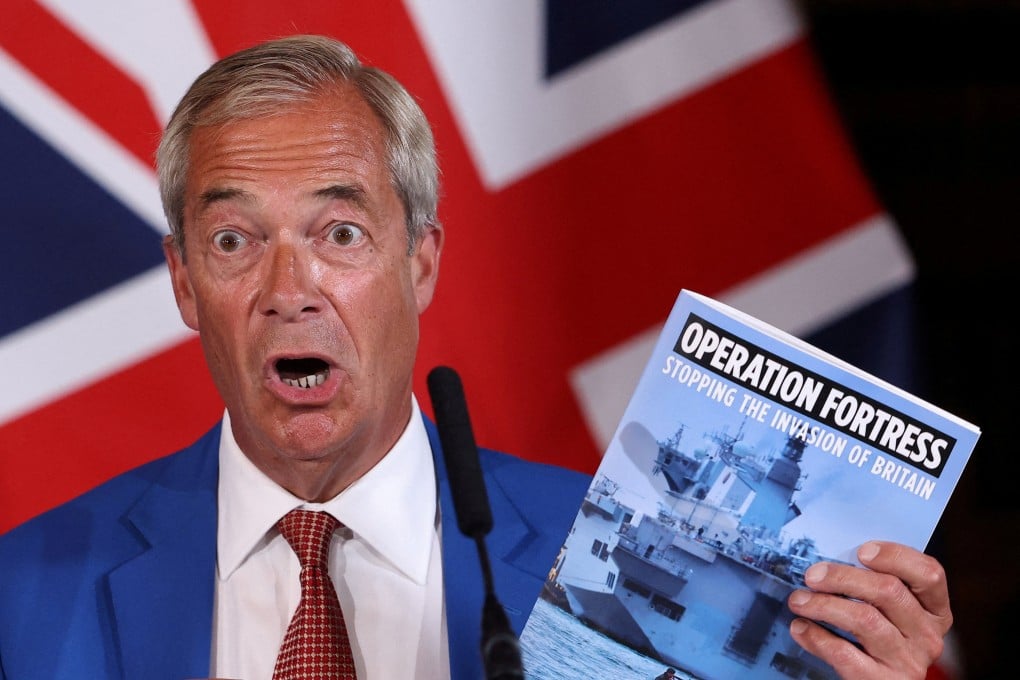
In conclusion, Reform UK’s proposal to use the Royal Navy to stop small boats crossing the English Channel is one of the strongest immigration policies currently discussed in British politics. Supporters believe it would strengthen border security, reduce illegal migration, discourage criminal smuggling gangs, and ease pressure on public services. However, opponents argue that the policy raises serious legal, humanitarian, and practical concerns. While protecting national borders is an essential responsibility of any government, effective immigration policy should also respect international law, protect human life, and address the root causes of migration. Finding a balanced approach that combines security, fairness, and compassion is likely to offer the most sustainable solution to this complex issue.