
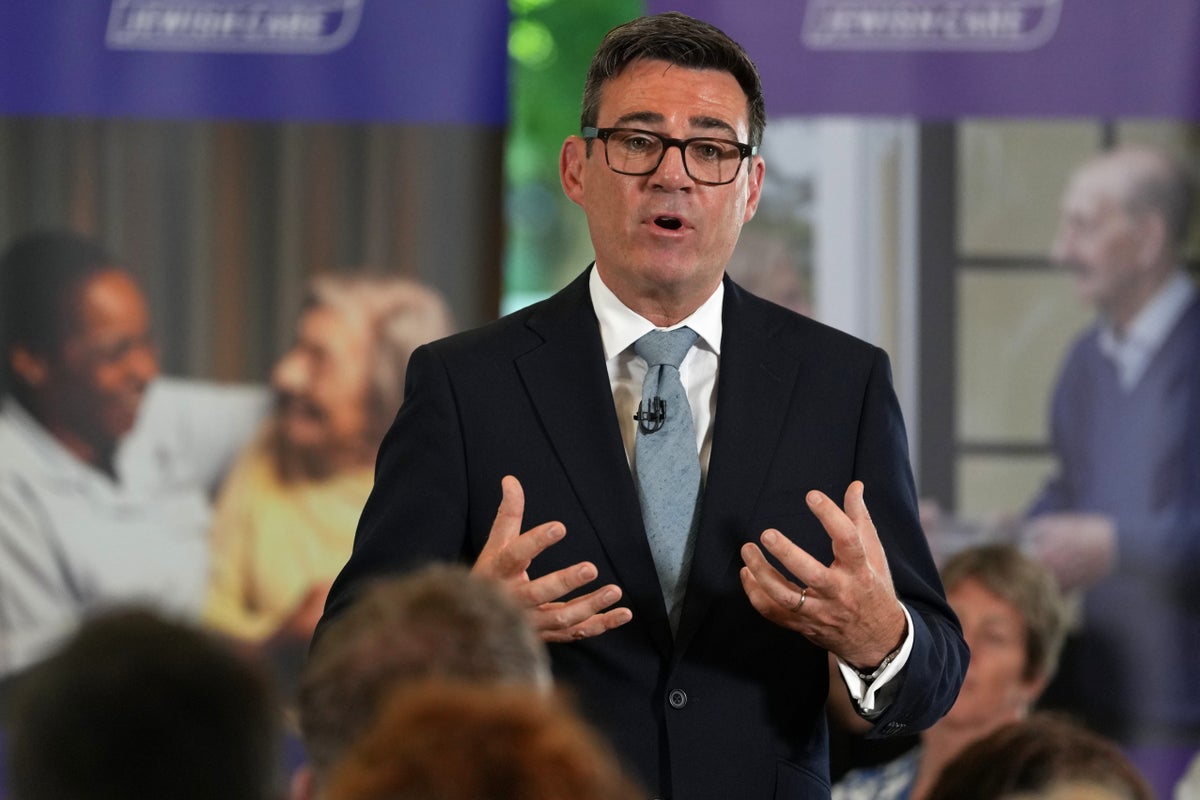
Andy Burnham Is Basking in the Limelight – While a Terrifying Global Crisis Closes In
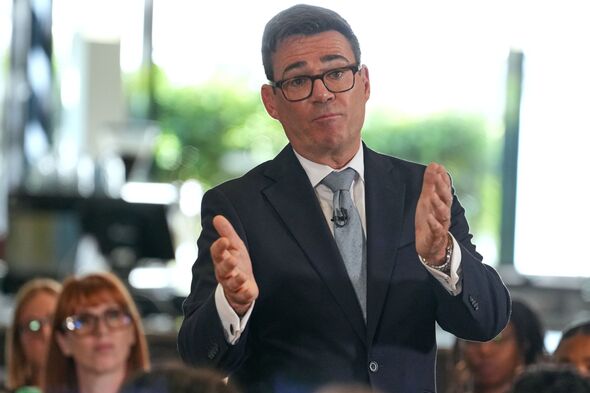
Prime Minister Andy Burnham has enjoyed a remarkable run of political successes in recent months. From improving poll numbers and a series of high-profile international meetings to domestic policy victories, the Labour leader has projected an image of confidence at a time when many expected his government to struggle. Yet beneath the positive headlines lies a far more troubling reality. A series of escalating global crises—from geopolitical tensions and economic uncertainty to cyber threats and climate-related disasters—are creating challenges that could rapidly overshadow Burnham’s political momentum.

For now, the Prime Minister appears comfortable in the spotlight. His government has pointed to falling inflation, stronger economic growth than many analysts predicted, and progress on public service reform as evidence that Labour’s agenda is beginning to deliver results. Supporters argue that Burnham has successfully positioned himself as a calm and pragmatic leader capable of restoring stability after years of political turbulence.
However, history repeatedly shows that governments rarely control the events that ultimately define them. External shocks often arrive without warning, forcing leaders to abandon carefully planned domestic agendas in favour of crisis management. As international tensions continue to rise, many analysts believe Burnham may soon face exactly that kind of test.
A Strong Political Position
Burnham entered office promising competence, economic stability and closer cooperation with Britain’s allies. During his first months as Prime Minister, he sought to avoid unnecessary political confrontation while concentrating on issues such as healthcare, housing, transport and regional investment.
Opinion polls have generally suggested that voters appreciate this more measured style of leadership. Labour has maintained a relatively strong position compared with its main political rivals, while Burnham himself has consistently recorded higher personal approval ratings than many recent British prime ministers.
His government has also attempted to strengthen Britain’s relationships with European partners after years of difficult post-Brexit negotiations. Cooperation on defence, migration, trade and scientific research has become central to Labour’s foreign policy, allowing Burnham to present himself as a leader focused on rebuilding international partnerships.
These achievements have contributed to the perception that the Prime Minister is enjoying one of the most politically successful periods of his career.
The Global Picture Is Becoming Darker
Despite encouraging domestic headlines, the international environment has become increasingly unstable.
Armed conflicts continue to affect several regions around the world, while competition between major powers has intensified. Rising defence spending, growing cyber attacks and concerns about global supply chains have created fresh uncertainty for governments and businesses alike.
Financial markets remain sensitive to geopolitical developments. Even relatively small international incidents have triggered fluctuations in energy prices, shipping costs and investor confidence. For an economy as internationally connected as the United Kingdom’s, prolonged instability overseas can quickly translate into higher costs for businesses and consumers.
Burnham therefore faces a difficult balancing act. While voters naturally focus on issues such as healthcare, wages and housing, many of those domestic priorities depend heavily upon international stability.
Economic Risks Remain
Although inflation has eased compared with its recent peak, economists continue to warn that global events could reverse recent progress.
Energy markets remain vulnerable to supply disruptions. Any major conflict affecting oil or natural gas production could rapidly increase household energy bills across Europe. Likewise, disruptions to international shipping routes could raise the cost of imported goods, adding renewed inflationary pressure just as central banks hope to achieve lasting price stability.
Britain’s export industries also face uncertainty. Slower economic growth among key trading partners would inevitably affect British manufacturers, financial services and technology companies.
For Burnham, such developments would present a significant political challenge. Economic optimism can disappear quickly if global events undermine household finances.
Security Concerns
National security has returned to the centre of political debate across Europe.
Governments are investing heavily in military capabilities, intelligence cooperation and cyber security. Officials increasingly warn that future conflicts may involve sophisticated cyber attacks targeting financial systems, transport networks, hospitals and communications infrastructure rather than conventional military operations alone.
Britain has strengthened cooperation with NATO allies while expanding investment in defence technology. Nevertheless, experts caution that modern security threats evolve rapidly, requiring continuous adaptation.
Should a major international crisis emerge, Burnham’s leadership would inevitably be judged on his government’s preparedness and ability to respond effectively.
Climate Challenges
Alongside geopolitical risks, climate-related disasters continue to grow in frequency and intensity.
Heatwaves, floods, droughts and severe storms have affected communities across multiple continents during recent years. Scientists warn that extreme weather events place increasing pressure on food production, infrastructure and insurance systems.
For Britain, climate change presents both immediate and long-term challenges. Flooding threatens homes and businesses, while changing weather patterns affect agriculture, water supplies and public health.
Burnham has committed his government to accelerating the transition toward cleaner energy and reducing carbon emissions. However, implementing these policies while maintaining economic growth will require substantial public and private investment.
Political Success Can Be Fragile
Modern political history contains numerous examples of leaders whose domestic popularity was transformed by unexpected international crises.
Governments that appeared politically secure have found themselves facing economic recessions, financial market instability, public health emergencies or military conflicts with little warning. In many cases, carefully planned domestic reform programmes were delayed or abandoned altogether.
Burnham is undoubtedly aware of these historical precedents. His administration has repeatedly emphasised the importance of resilience, emergency planning and international cooperation.
Yet no government can eliminate uncertainty entirely.
Opportunities Amid Uncertainty
While global instability creates obvious risks, it can also provide opportunities for effective leadership.
If Burnham successfully navigates future international challenges while protecting Britain’s economy and maintaining public confidence, his reputation could grow considerably. Strong crisis management has often enhanced political leaders’ standing when combined with clear communication and decisive decision-making.
His emphasis on cooperation with allies may also prove advantageous if collective international action becomes increasingly necessary to address shared threats.
The coming years are therefore likely to test not only Labour’s domestic agenda but also Burnham’s ability to lead during periods of global uncertainty.
Looking Ahead
Andy Burnham currently finds himself in a politically favourable position. His government has accumulated several early successes, public confidence has remained relatively stable, and Labour continues to present itself as a party focused on competence and long-term reform.
However, international developments have a habit of reshaping political priorities with remarkable speed. Escalating geopolitical tensions, economic uncertainty, cyber security threats and climate-related challenges all possess the potential to dominate government attention regardless of domestic political ambitions.
Whether these pressures evolve into a full-scale global crisis remains impossible to predict. What is certain is that any British prime minister must be prepared for unexpected events beyond their control.
For Burnham, today’s favourable political climate may represent only the beginning of a far more demanding period of leadership. If global instability intensifies, his government will face difficult choices requiring careful judgement, international cooperation and sustained public confidence.
Ultimately, political success is measured not only by victories achieved during periods of stability but also by leadership demonstrated during moments of crisis. If the international outlook continues to darken, Burnham’s greatest political challenge may still lie ahead.