
Andy Burnham Rules Out Early General Election: “I Don’t Think People Want It”
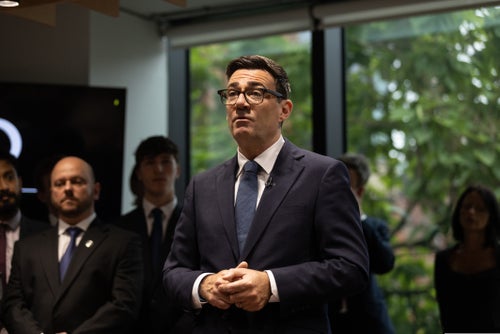
The timing of a general election is one of the most important strategic decisions in British politics. Governments must decide when they believe they have the strongest public support, while opposition parties must consider whether an early election could provide an opportunity to gain power. The statement by Andy Burnham that he does not support an early general election because “I don’t think people want it” reflects a broader debate about political stability, public priorities, and the relationship between politicians and voters.
Burnham’s comments suggest that he believes the public is more interested in effective government and practical solutions than another immediate political contest. After years of political uncertainty, including debates over Brexit, changes in leadership, economic pressures, and social challenges, many voters may feel exhausted by repeated political battles. From this perspective, delaying an election could allow governments and political parties to focus on delivering policies rather than campaigning.
General elections are central to democracy because they allow citizens to choose their representatives and hold governments accountable. However, elections also create disruption. They require significant political attention, public spending, and media focus. During an election campaign, parties often concentrate on competing messages rather than implementing policies. Supporters of Burnham’s position argue that the country may benefit from a period of stability where leaders focus on issues such as economic growth, healthcare, education, housing, and public services.
One of the key reasons behind Burnham’s position may be the current political environment. British voters have experienced significant uncertainty in recent years. Political debates over Brexit created deep divisions, while economic challenges such as inflation, rising living costs, and pressure on public services have affected households across the country. Many citizens may prefer politicians to concentrate on addressing these problems rather than entering another election campaign.
Burnham’s argument also reflects a wider concern about political trust. Surveys and public discussions often show that many people feel frustrated with politicians and believe that political competition sometimes focuses too much on strategy rather than solving problems. By arguing against an early election, Burnham presents himself as someone prioritising public needs over political advantage. His position suggests that governments should be judged by their ability to deliver results rather than simply by their election timing.
However, critics may argue that avoiding an early election can reduce democratic accountability. Elections provide voters with the opportunity to decide whether they are satisfied with the direction of the country. If a government is unpopular or failing to deliver its promises, opponents may argue that citizens should have the chance to express their views sooner rather than later. From this perspective, delaying an election could allow political leaders to avoid public judgment.
The debate over election timing is also connected to party strategy. Political parties often consider whether current conditions favour them or their opponents. A party that believes it has strong public support may prefer an early election, while a party facing difficulties may prefer more time to rebuild its position. Burnham’s decision to oppose an early election may therefore have both public-interest and political considerations.
For Labour, the question of election timing is particularly important because the party has been seeking to strengthen its position nationally. Leaders must decide when voters are most likely to support their policies and candidates. An early election could create opportunities but also risks. If public confidence is uncertain, delaying the election may allow more time to develop policies and demonstrate competence.
Burnham’s comments also connect to his broader political image. As Mayor of Greater Manchester, he has often presented himself as a practical politician focused on local issues and public services. He has emphasised the importance of improving communities, investing in infrastructure, and giving regions greater influence over decisions. His opposition to an early election fits with this image of prioritising long-term work over short-term political competition.
The public’s attitude toward elections is complex. While many people value their democratic right to vote, frequent elections can also create frustration, especially when they occur during periods of economic difficulty. Some voters may feel that political instability prevents governments from addressing long-term challenges. Others believe that regular elections are essential to ensure leaders remain accountable.
The economy is likely to be one of the most important factors influencing attitudes toward an election. Many households are concerned about wages, housing costs, energy bills, and access to public services. Political leaders who appear focused on these issues may gain support, while those seen as concentrating mainly on political tactics may face criticism. Burnham’s argument that people do not want an early election may reflect a belief that voters want practical improvements before returning to the polls.
Healthcare is another major concern. The NHS continues to face significant pressures, including waiting lists, workforce challenges, and rising demand. Social care, education, and local government finances are also areas where many communities want action. A period of political stability could allow governments to focus on reforms and investment rather than election preparation.
At the same time, opposition parties may argue that elections are not simply interruptions but essential moments of democratic decision-making. They provide opportunities for voters to compare different visions for the country’s future. Without an election, political parties outside government have fewer opportunities to challenge decisions and present alternative policies.
The debate also highlights different views about leadership. Some believe strong leaders should make difficult decisions and focus on long-term goals even when elections are approaching. Others argue that leaders must remain constantly responsive to public opinion because democratic legitimacy depends on regular voter approval. Balancing these responsibilities is one of the central challenges of political leadership.
International comparisons show that election timing varies between countries. Some systems have fixed election dates, while others allow governments greater flexibility. The UK system traditionally provides some ability for elections to be called earlier under certain circumstances, making timing a frequent part of political strategy. This flexibility can allow governments to respond to changing circumstances but can also create accusations of political calculation.
Ultimately, whether an early general election is desirable depends on public confidence, political conditions, and national circumstances. If voters believe that governments are making progress on important issues, they may prefer stability. If they believe change is needed, they may want the opportunity to vote sooner.
In conclusion, Andy Burnham’s decision to rule out an early general election reflects a belief that voters want political stability and practical action rather than another immediate campaign. His argument highlights concerns about public frustration with political uncertainty and the need to focus on economic and social challenges. However, critics argue that elections remain essential for democratic accountability and giving citizens a voice. The debate demonstrates the difficult balance between providing effective government and maintaining democratic responsibility. Ultimately, the timing of the next election will depend not only on political strategy but also on whether leaders can convince the public that they are delivering meaningful improvements to people’s lives.