
Andy Burnham Bounce Ends Reform’s 15-Month Polling Streak as Political Landscape Shifts
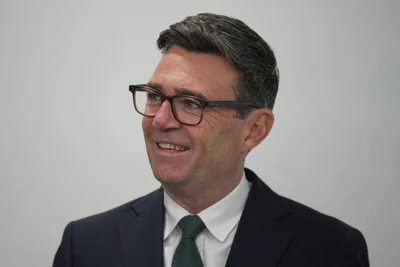
A surge in support for Andy Burnham has disrupted Reform UK’s long period of strong polling performance, marking a significant moment in Britain’s increasingly unpredictable political landscape. After months in which Reform appeared to dominate parts of the political debate, new polling trends suggesting a rise in Burnham’s popularity have raised questions about whether voter attitudes are beginning to shift.

The development highlights the volatility of modern British politics, where public opinion can change rapidly and where individual politicians can have a major impact on party fortunes. Burnham’s growing profile has created a new challenge for political rivals who had hoped to maintain momentum by focusing on dissatisfaction with the established parties.
For Reform UK, the end of its extended polling success represents a reminder that political support can be fragile. The party has built its appeal by presenting itself as an alternative to traditional political organisations, attracting voters who feel frustrated with Labour and the Conservatives.
Supporters of Reform argue that the party has successfully raised concerns about issues such as immigration, taxation, public services and national identity. They believe its polling strength reflects a desire for major change among many voters.
However, Burnham’s rise suggests that some voters may also be looking for a different type of political leadership — one focused on local communities, public services and practical delivery.
Andy Burnham’s popularity has developed through a political journey that differs from many national figures. After serving as a Labour MP and government minister, he moved into regional leadership as Mayor of Greater Manchester.
This transition allowed him to build a new public image. Rather than being viewed only as a Westminster politician, Burnham became associated with local decision-making, regional investment and campaigns for greater powers outside London.
His supporters argue that this experience has helped him connect with voters who feel distant from national politics. They believe his focus on transport, housing, economic development and public services has given him credibility as a leader who understands everyday concerns.
Critics, however, remain cautious about whether personal popularity can translate into wider political success. They argue that a strong mayoral record does not automatically prove readiness for national leadership.
The changing polling picture also raises questions about the future competition between Labour, Reform UK and the Conservatives. British politics has become increasingly fragmented, with voters more willing to move between parties and less attached to traditional loyalties.
Reform’s previous polling strength demonstrated the level of dissatisfaction among some voters. The party has benefited from concerns about immigration, economic pressures and trust in established institutions.
But maintaining momentum over a long period is difficult. Political movements often experience periods of rapid growth before facing challenges from opponents, changing events or increased scrutiny.
Burnham’s improved position shows how individual politicians can influence political conversations. His ability to attract attention and communicate directly with voters has been one of his defining strengths.
Supporters say this is evidence of effective leadership. They argue that people respond positively to politicians who appear accessible and focused on solving practical problems.
Opponents suggest that popularity must eventually be tested by results. They argue that voters may support a politician during periods of strong communication but later reassess their views based on whether promises are fulfilled.
The polling shift also reflects broader debates about what voters want from political leaders. Some voters prioritise firm positions on issues such as immigration and national sovereignty, while others focus more on public services, economic security and competent administration.
This division has created a highly competitive environment where parties must appeal to different concerns at the same time.
For Labour, Burnham’s increased popularity could provide an opportunity to strengthen its connection with voters who are uncertain about traditional party politics. His regional leadership style offers a contrast to the image of Westminster-focused politics.
For Reform UK, the challenge is maintaining its message and proving that its support represents a long-term political shift rather than temporary dissatisfaction.
The Conservatives also face pressure in this environment. A decline in traditional support has created opportunities for both Labour and Reform to compete for voters who previously supported the party.
The situation demonstrates how quickly political narratives can change. A party that dominates polling discussions for months can suddenly face a new challenge when another figure captures public attention.
Burnham’s rise has therefore become more than a personal success story. It represents a wider battle over the future direction of British politics.
The key question now is whether this polling improvement represents a short-term boost or the beginning of a lasting change. Political momentum can disappear quickly, but sustained public trust can reshape a leader’s future.
For Andy Burnham, the challenge will be turning popularity into evidence of long-term effectiveness. For Reform UK, the task will be responding to a new political environment where its previous dominance is being challenged.
Whatever happens next, the latest shift confirms one thing: British politics remains highly competitive, and no party or politician can assume public support will remain unchanged.
The end of Reform’s long polling streak and Burnham’s renewed momentum mark another unpredictable moment in a political era defined by rapid change, shifting loyalties and intense competition for voters’ trust.