
Reform Fury as Police Clear Polanski Over Farage Guillotine Post Accusations
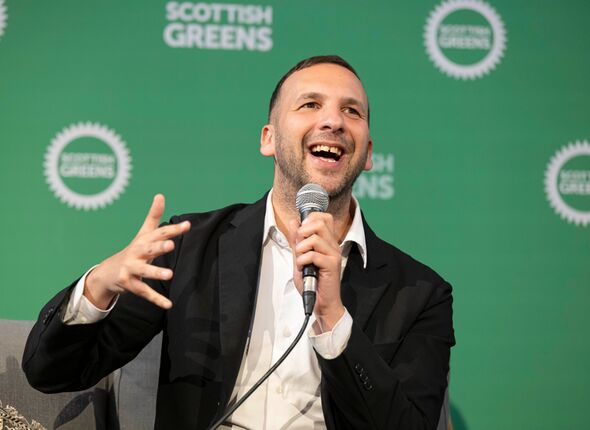
A political row has erupted after police reportedly decided to take no further action against an individual accused of sharing a controversial social media post involving Nigel Farage and a guillotine image. The decision has triggered anger from Reform UK supporters, who argued that the content crossed a line, while others have raised questions about the boundaries between offensive political expression and criminal behaviour.
The dispute highlights one of the most difficult challenges in modern politics: determining where freedom of speech ends and where threats or encouragement of violence begin.
Nigel Farage, the leader of Reform UK and one of the most recognisable figures in British politics, has frequently been the target of intense criticism throughout his career. His views on Brexit, immigration and national identity have made him a polarising figure, attracting both strong support and fierce opposition.
Supporters argue that political disagreement should never become personal hostility or involve threats against individuals. They say politicians, regardless of their views, should be able to participate in public debate without fear of intimidation.
Critics, however, argue that public figures must also expect strong scrutiny and that political expression, including satire and criticism, is protected in a democratic society.
The controversy began after a post featuring a guillotine image connected to Farage attracted attention online. Supporters of Reform UK described the image as deeply disturbing, claiming it represented a violent threat rather than ordinary political criticism.
Some party figures argued that such imagery could contribute to a hostile atmosphere toward politicians and demanded stronger action.
Police involvement followed concerns raised about whether the post could amount to a criminal offence. After reviewing the material, officers reportedly concluded that there was insufficient evidence to proceed further.
The decision has created frustration among those who believe authorities should take a tougher approach to online content involving political figures.
However, legal experts often emphasise that not every offensive or shocking statement meets the threshold for a criminal offence. In the United Kingdom, police must consider whether content amounts to a genuine threat, encouragement of violence or another offence before taking action.
Strong criticism, offensive humour or political hostility may be unpleasant but can still fall within the protection of free expression.
This distinction has become increasingly important as social media has transformed political debate. Platforms allow millions of people to comment instantly on public figures, but they also create challenges involving abuse, misinformation and potentially dangerous content.
Politicians from across the political spectrum have experienced online hostility. Supporters of stronger regulation argue that public figures should not be forced to tolerate threats simply because they are involved in politics.
At the same time, civil liberties campaigners warn that overly broad restrictions could discourage legitimate criticism and political debate.
The controversy surrounding Farage reflects wider tensions in British politics. Reform UK has grown by presenting itself as a challenger to established parties, attracting voters who feel ignored by traditional political groups.
Its supporters often argue that the party faces unfair treatment from opponents and sections of the media because it challenges mainstream political assumptions.
Opponents argue that strong political movements must also accept scrutiny and criticism as part of democratic debate.
Farage himself has frequently been involved in controversies throughout his career. His public appearances often generate significant media attention, and his comments regularly produce strong reactions from both supporters and critics.
This visibility means incidents involving him are likely to receive national attention.
The latest dispute also raises questions about the responsibilities of online users. Social media has made it easier for individuals to express political opinions, but it has also blurred the line between personal comments and public statements.
A post shared online can quickly reach thousands or even millions of people, increasing the potential impact of controversial content.
Supporters of stricter rules argue that platforms must do more to prevent harmful material. They believe that allowing extreme imagery to circulate without consequences can contribute to a more aggressive political environment.
Others argue that decisions about legality should remain separate from questions about whether something is offensive or inappropriate.
The police decision not to pursue further action demonstrates this distinction. Authorities are not necessarily declaring that controversial content is acceptable; rather, they are determining whether it meets the legal standard for criminal intervention.
For Reform UK, the incident has become another example of what supporters describe as unfair treatment of their movement. They argue that hostile rhetoric toward their politicians is sometimes ignored while criticism of other groups receives greater attention.
Critics reject this argument, saying all political figures should be subject to scrutiny and that accusations of unfairness should not be used to avoid accountability.
The debate is likely to continue as Britain struggles to find a balance between protecting free speech and preventing harmful behaviour.
The rise of social media has made this balance more complicated than ever. Political arguments that once took place in newspapers, television debates or public meetings now happen instantly online, often without the moderation or context found in traditional forms of communication.
For Nigel Farage and Reform UK, the incident reinforces their argument that political opponents and institutions need to be challenged. For critics, it highlights the importance of maintaining standards in public debate.
Ultimately, the controversy is about more than one social media post. It reflects a broader question facing democracies around the world: how should societies protect open political discussion while ensuring that disagreement does not turn into threats or intimidation?
As political divisions continue to deepen, debates over free expression, online behaviour and public safety are likely to remain central issues.
The police decision may have closed one investigation, but the wider argument over political language and responsibility in the digital age is far from over.