

Donald Trump’s Attack on Andy Burnham and Controversial UK Remarks Spark Political Storm
Donald Trump has once again ignited international political debate after directing criticism toward Andy Burnham before making comments about the United Kingdom that triggered accusations of inflammatory and divisive rhetoric. The episode has created a fresh wave of discussion about the relationship between American political figures and British affairs, as well as the increasingly heated debates surrounding immigration, national identity and public leadership.
The comments attracted immediate attention because both Donald Trump and Andy Burnham are figures with significant public profiles, though they represent very different political traditions. Trump, the former President of the United States, has built a reputation for direct and often controversial statements. Burnham, meanwhile, has been known primarily as a British regional leader with a focus on local government, public services and devolution.
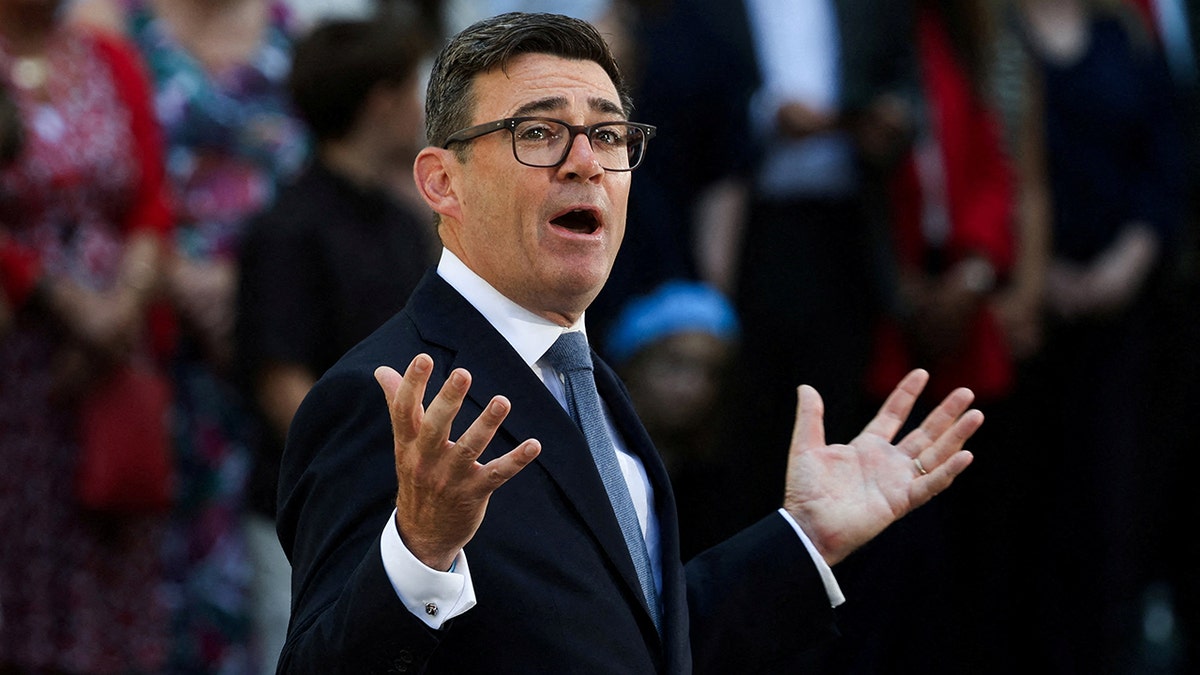
The clash highlights how political debates in today’s interconnected world rarely remain confined within national borders. Statements made by influential leaders can quickly become international stories, shaping conversations among voters thousands of miles away.
Andy Burnham has spent much of his political career presenting himself as a politician focused on communities, public services and regional equality. As Mayor of Greater Manchester, he has promoted investment in transport, housing and economic development while arguing that more power should be transferred away from central government.
His supporters describe him as a leader who understands the concerns of ordinary communities, particularly in northern England. Critics, however, argue that his political style sometimes places him at the centre of national debates beyond his official responsibilities.
Donald Trump has often commented on political issues outside the United States, including matters involving Britain and Europe. During his presidency and afterwards, he frequently expressed strong opinions on immigration, trade, security and the direction of Western countries.
Trump’s supporters view his willingness to criticize foreign governments as evidence of independence and strength. They argue that he speaks directly about issues many voters care about, particularly border control and national sovereignty.
His critics argue that his language can intensify divisions and oversimplify complicated issues. They claim that some statements risk creating negative stereotypes or increasing tensions between communities.
The latest controversy became particularly heated because Trump’s comments about Britain were described by some opponents as racist. Such accusations generally arise when critics believe remarks target groups of people based on ethnicity, nationality or cultural background.
Supporters of Trump reject this interpretation. They argue that his comments are directed at government policies, immigration systems or political decisions rather than ordinary citizens. This disagreement reflects a broader pattern surrounding Trump’s public statements, where supporters and critics often interpret the same words in completely different ways.
Immigration has been one of the most politically sensitive issues in both Britain and the United States. Concerns about border security, illegal migration, pressure on public services and integration have shaped elections and government policies on both sides of the Atlantic.
Trump has consistently promoted stricter immigration controls, including stronger border enforcement and tougher measures against illegal entry. His supporters argue that governments have a responsibility to protect national borders and prioritize citizens’ interests.
Opponents argue that immigration debates must also consider humanitarian responsibilities and avoid language that may unfairly portray entire communities.
Britain has faced similar political challenges. Successive governments have struggled to reduce illegal migration while managing asylum applications, legal immigration and economic needs. The issue remains one of the most important topics in British political discussion.
The disagreement involving Burnham also reflects differences in political style. Burnham has generally emphasized cooperation, regional investment and social policy, while Trump is known for a more confrontational approach that often places conflict at the centre of political communication.
This contrast explains why comments involving the two figures generated such strong reactions.
For some observers, Trump’s intervention represents an attempt to influence debates about Britain’s future direction. They argue that international leaders increasingly comment on each other’s politics because economic, security and migration issues are interconnected.
Others believe foreign politicians should avoid interfering in domestic debates and allow voters in each country to decide their own political future.
The role of media coverage has also become part of the discussion. Modern political controversies often spread rapidly through television, online platforms and social media. Short clips or headlines can attract enormous attention, sometimes before audiences have examined the full context of the original remarks.
This environment creates challenges for both politicians and the public. Leaders can reach millions of people instantly, but their words may also be interpreted differently by different audiences.
The controversy also raises broader questions about political responsibility. Public figures have significant influence, and their language can shape public attitudes toward important issues such as migration, identity and social cohesion.
Supporters argue that politicians should be free to discuss difficult subjects openly. Critics respond that honesty and responsibility must exist together, particularly when discussing issues involving race, culture and nationality.
For Andy Burnham, the episode reinforces his position as a prominent voice in British public life. Although he has mainly operated at a regional level, his views on national issues continue to attract attention.
For Donald Trump, the controversy follows a familiar pattern in which his statements generate both strong support and strong criticism. His political influence remains significant, and his comments continue to shape debates far beyond the United States.
Ultimately, the dispute reflects wider tensions in modern politics. Questions about immigration, national identity and government responsibility have become central issues in many democracies. Political leaders often disagree not only about solutions but also about how these issues should be discussed.
Whether viewed as legitimate political criticism or unacceptable rhetoric, the controversy demonstrates the power of words in today’s political environment. A single statement from a major public figure can quickly become a global debate, influencing how millions of people think about leadership, policy and society.
As Britain and the United States continue facing challenges related to economic pressure, migration and social change, disagreements between prominent figures such as Donald Trump and Andy Burnham are likely to remain part of the wider political conversation.