
Bev Craig Becomes Greater Manchester’s First Female Mayor as Labour Secures Major Election Victory

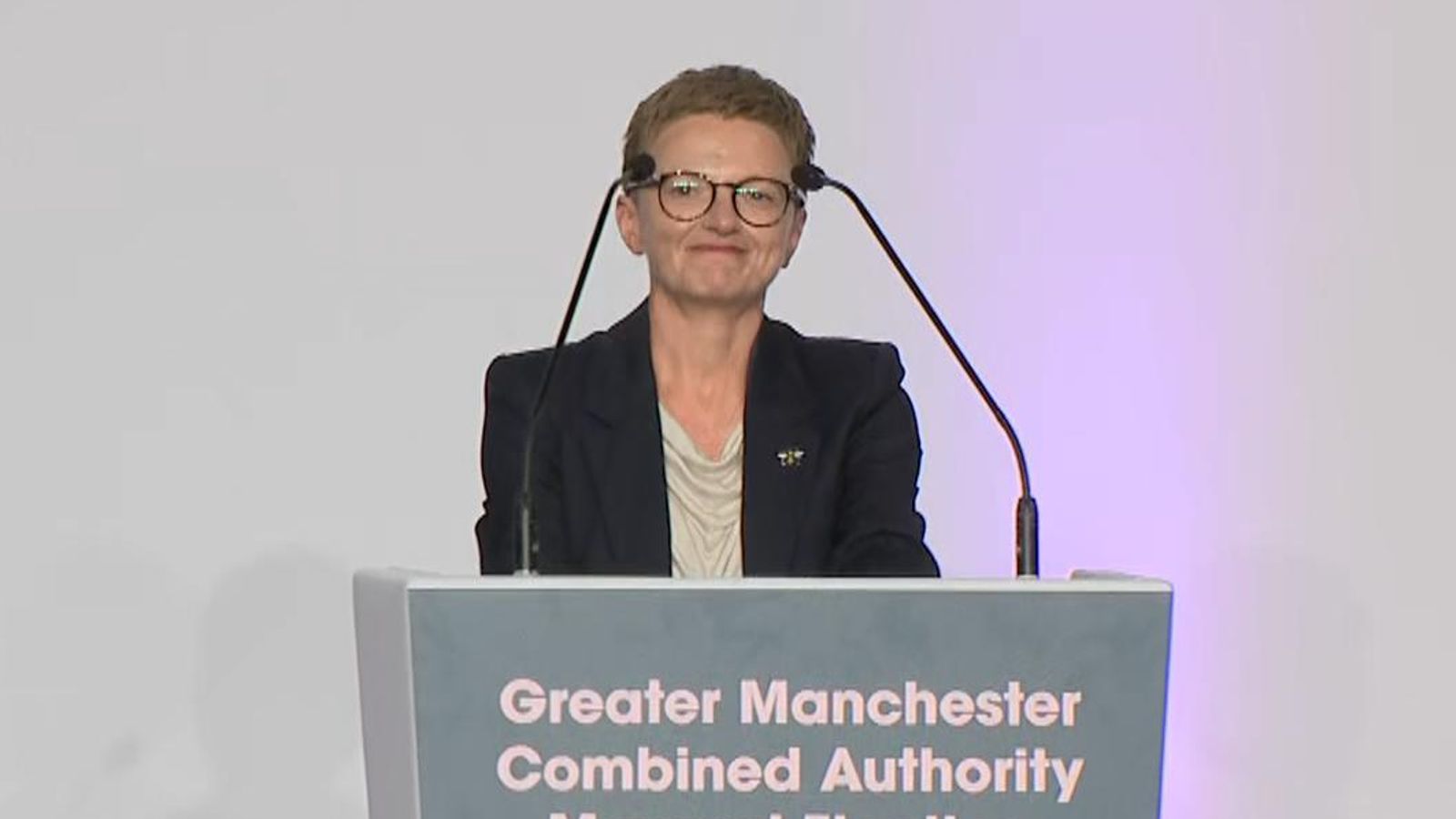
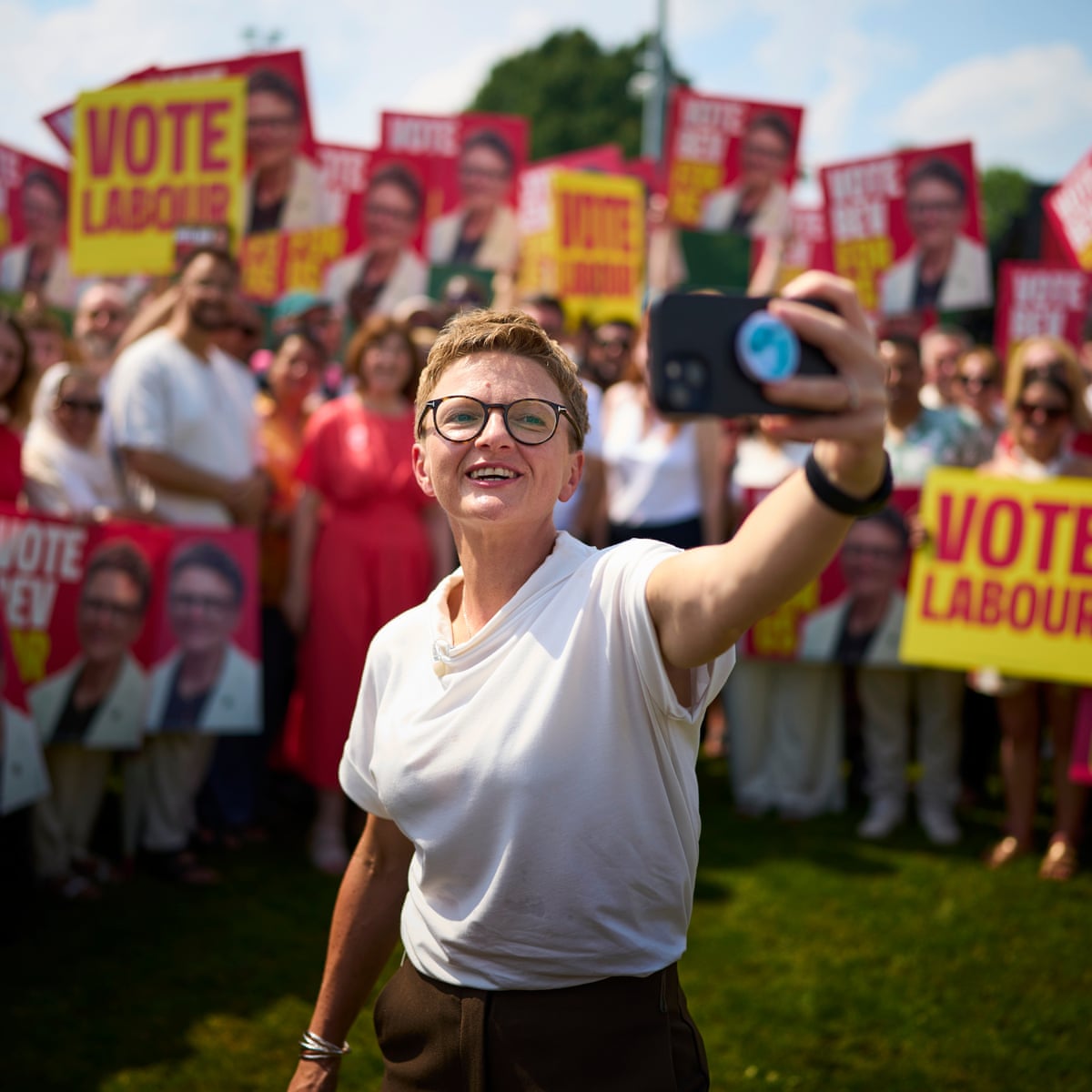
A new chapter has begun in the political history of Greater Manchester. Following a closely watched mayoral by-election, Labour candidate Bev Craig has been elected as the new Mayor of Greater Manchester, succeeding Andy Burnham after his departure from the role. Her decisive victory not only ensures Labour retains control of one of England’s most influential mayoralties but also marks a significant political moment as Craig becomes the first woman to hold the office. The result has been widely interpreted as an important boost for Labour at a time when British politics remains fiercely competitive.
Greater Manchester has become one of the most politically significant regions in the United Kingdom since the creation of its directly elected mayoralty in 2017. Home to nearly three million people across ten metropolitan boroughs, the region plays a major role in the country’s economy, transport network and public services. Because of its size and influence, the mayoralty is often viewed as one of the most powerful elected positions outside Westminster.
Andy Burnham, who served as Greater Manchester’s mayor for almost a decade, transformed the role into one of national prominence. During his time in office, he championed regional devolution, oversaw major transport reforms through the Bee Network, and became widely known during the COVID-19 pandemic for publicly challenging central government over financial support for northern England.
His departure created one of the most important by-elections in recent British political history. Political observers viewed the contest as a test of whether Labour could maintain its dominance in one of its traditional strongholds while facing growing competition from Reform UK and other parties.
Bev Craig entered the campaign with considerable political experience. Before becoming mayor, she served as Leader of Manchester City Council, where she focused on housing, economic development, regeneration projects and local public services. Her experience managing one of Britain’s largest local authorities helped establish her credentials as a candidate capable of leading the wider city region.
Throughout the campaign, Craig emphasized economic growth, affordable housing, improved transport, investment in skills and continued devolution of powers from Westminster to regional government. She argued that Greater Manchester should continue building upon the foundations established under Burnham while adapting to new economic challenges facing local communities.
The election attracted national attention because it was seen as an important indicator of Labour’s political strength. Recent elections had shown increasing support for Reform UK in several parts of England, leading many analysts to question whether Labour could successfully defend one of its most recognizable regional offices.
When the votes were counted, Labour emerged with a convincing victory. Craig secured 47 percent of first-preference votes before increasing her support to 66.3 percent after second-preference redistribution under the supplementary voting system, comfortably defeating Reform UK’s candidate.
Although Labour celebrated the result, analysts also noted that voter turnout remained relatively low at around 25 percent. Some observers attributed this to the timing of the by-election during the summer holiday period, while others suggested that public awareness of the contest was lower than during previous mayoral elections.
Nevertheless, Labour regarded the outcome as an important political success. After experiencing setbacks in some local elections earlier in the year, retaining Greater Manchester represented a symbolic victory for the party and demonstrated continued support in one of its most important urban regions.
For Bev Craig personally, the election represents a historic achievement. Becoming the first female Mayor of Greater Manchester carries both symbolic and practical significance. Supporters hope her election will encourage greater representation of women in senior political leadership across local and national government.
Craig has stated that she wants to govern for the entire region rather than focusing only on Manchester itself. Greater Manchester includes ten local authorities—Manchester, Salford, Bolton, Bury, Oldham, Rochdale, Stockport, Tameside, Trafford and Wigan—each facing different economic opportunities and social challenges.
Among the most pressing issues awaiting the new mayor is transport. Andy Burnham’s Bee Network project aimed to integrate buses, trams and eventually local rail services into a single publicly managed system similar to London’s transport network. Craig has pledged to continue developing this ambitious programme while improving reliability and affordability for passengers.
Housing will also remain high on the political agenda. Like many growing cities, Greater Manchester faces increasing demand for affordable homes alongside rising property prices and rental costs. Balancing new development with environmental protection and community needs will require careful planning and cooperation between local authorities.
Economic growth presents another major challenge. Greater Manchester has experienced significant investment over the past two decades, attracting businesses in technology, finance, education and advanced manufacturing. Maintaining this momentum while ensuring prosperity reaches all communities will likely become one of Craig’s central priorities.
The election result also carries implications beyond Greater Manchester itself. Metro mayors have become increasingly influential figures in British politics as successive governments have transferred greater powers to regional authorities. Successful mayors often gain national recognition and can shape debates on transport, housing, policing and economic development far beyond their own regions.
Political analysts believe the victory demonstrates Labour’s continuing strength in major urban centres while highlighting the importance of effective local leadership. At the same time, the performance of Reform UK suggests that political competition remains intense, particularly in communities experiencing economic uncertainty and public concern over issues such as immigration and public services.
Craig acknowledged these divisions during her victory speech, emphasizing the need to represent every community regardless of political affiliation. She promised to focus on practical improvements to everyday life rather than ideological disputes, stressing economic opportunity, public services and social cohesion.
For residents of Greater Manchester, the election marks both continuity and change. Many of the strategic projects initiated under Burnham—including transport reform, regional investment and greater devolution—are expected to continue. At the same time, Craig now has the opportunity to establish her own leadership style and priorities.
As Britain’s political landscape continues evolving, the role of metro mayors is likely to become even more important. Regional leaders increasingly serve as the link between local communities and national government, advocating for investment while managing significant public responsibilities.
Bev Craig’s victory therefore represents more than a routine electoral success. It signals Labour’s determination to retain influence in one of England’s most important city regions, reflects the growing importance of devolved government and opens a new chapter for Greater Manchester under its first female mayor. Whether her administration ultimately matches the popularity and influence of Andy Burnham will depend on her ability to deliver tangible improvements for millions of residents, but her election has already secured a place in the region’s political history.