

Reform Demands Sky News Apology After Accusing Broadcaster of ‘Harassing’ Farage’s Family
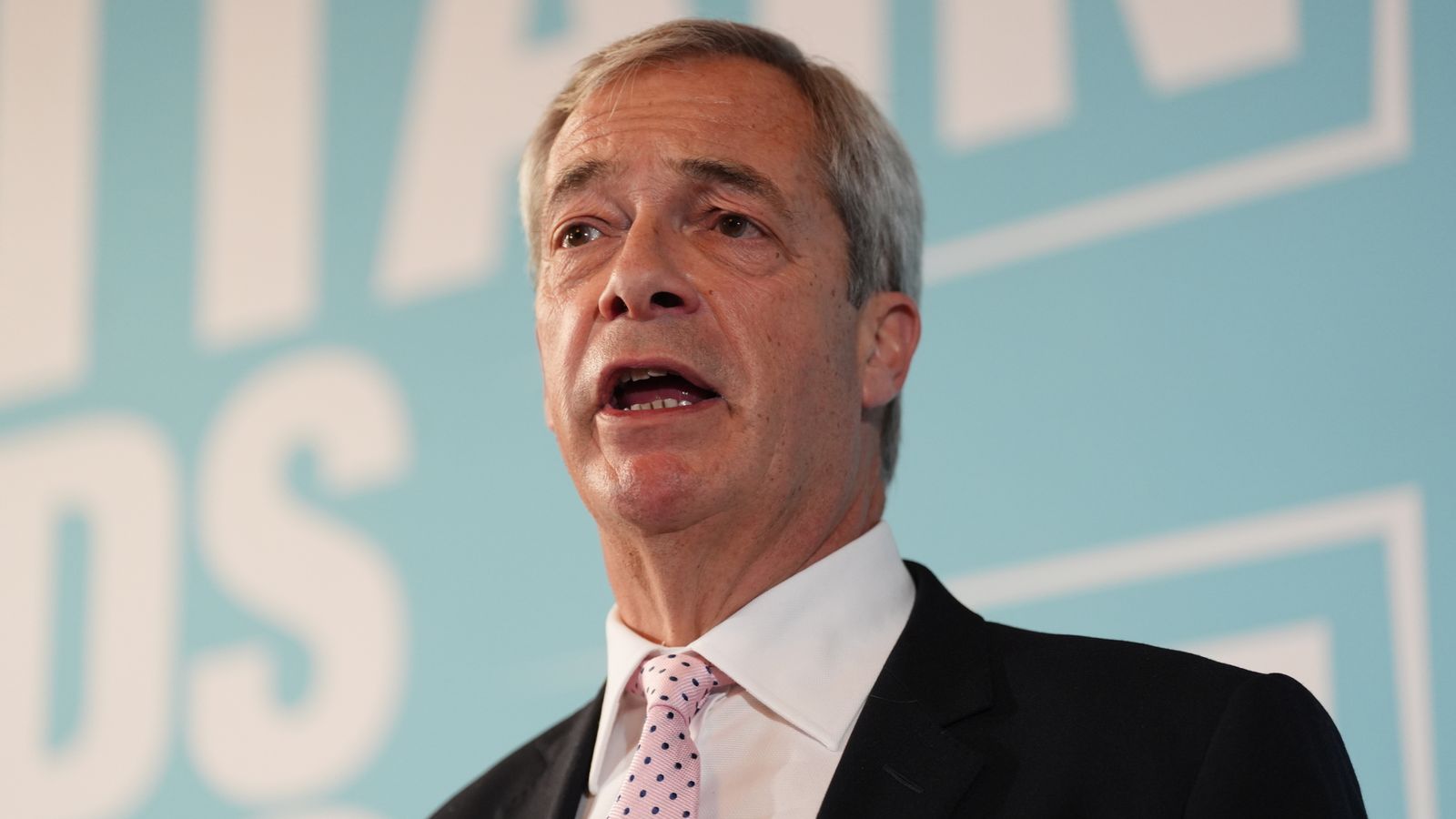
Political row escalates as party raises concerns over media coverage, privacy and treatment of public figures
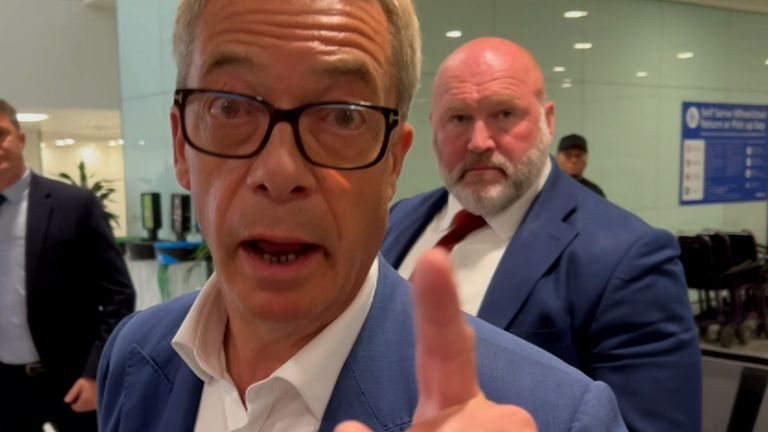
Reform UK has demanded an apology from Sky News after accusing the broadcaster of inappropriate behaviour towards Nigel Farage’s family, sparking a wider debate about media scrutiny, privacy and the responsibilities of journalists.
The party criticised the coverage and claimed that the treatment of Farage’s relatives crossed a line between legitimate reporting and unwanted attention.
Sky News has faced questions from Reform supporters over the approach taken, while defenders of the media argue that scrutiny of prominent political figures is a normal part of democratic accountability.
The dispute has renewed discussion about where the boundaries should be drawn when reporting on politicians and their personal lives.
Reform raises concerns over media conduct
Reform representatives said the party believed Farage’s family should not be placed under unnecessary pressure because of his political role.
They argued that relatives of politicians who do not hold public office should be treated with respect and should not become the focus of political reporting.
Supporters of Reform said public figures already face intense examination through interviews, debates and public appearances.
They claimed that extending attention to family members risks creating an unfair situation for people who are not directly involved in politics.
Media scrutiny of politicians
The controversy highlights the difficult relationship between politicians and the media.
Journalists argue that public figures must face scrutiny because their decisions and behaviour can affect millions of people.
They say reporting on politicians is an essential part of holding leaders accountable.
However, critics of aggressive media coverage argue that there should be clear limits, particularly when family members are involved.
The debate often focuses on whether information is genuinely relevant to public interest or simply attracts attention because of a politician’s profile.
Farage’s position in public life
Nigel Farage has been one of Britain’s most recognisable political figures for many years.
His campaigns on issues such as Brexit, immigration and political reform have attracted both strong support and criticism.
Because of his high profile, Farage has frequently been the subject of media attention, political debate and public commentary.
Supporters say he has faced unusually intense scrutiny because he challenges established political groups.
Critics argue that influential politicians should expect a high level of examination from the media.
Privacy and public interest debate
The disagreement has reopened wider questions about privacy in modern politics.
Public figures often experience a reduced level of personal privacy because of their public responsibilities.
However, many argue that there is a difference between examining a politician’s decisions and involving family members who are not part of public life.
Media organisations generally balance the right to report with considerations of privacy, accuracy and fairness.
The latest dispute demonstrates how difficult those decisions can become, especially during politically sensitive periods.
Supporters rally behind Farage
Reform supporters have responded strongly to the criticism of Sky News, arguing that the party leader and his family deserve fair treatment.
They say political disagreements should focus on policies and public decisions rather than personal matters.
Some supporters have described the issue as part of a wider concern about how alternative political movements are covered by mainstream media.
They argue that media organisations should apply consistent standards when reporting on all political parties.
Critics defend journalistic scrutiny
Others have defended the role of journalists in investigating and reporting on people with significant public influence.
They argue that media scrutiny is a necessary part of democracy and that politicians cannot avoid examination simply because coverage is uncomfortable.
Some commentators have warned that accusations against the media should be based on specific evidence rather than general claims.
They say independent journalism plays an important role in informing voters.
A continuing political and media debate
The dispute between Reform and Sky News reflects a broader argument about trust between politicians and broadcasters.
As political competition becomes more intense, accusations of unfair coverage and media bias are increasingly common.
At the same time, journalists face pressure to provide thorough reporting while respecting personal boundaries.
The disagreement is likely to continue as both political parties and media organisations debate the appropriate limits of public scrutiny.
What happens next?
Reform’s call for an apology has increased attention on the issue and may lead to further discussion about media practices.
Whether the dispute develops further will depend on responses from the broadcaster and any additional information that emerges.
For Farage’s supporters, the priority is defending privacy and fair treatment.
For journalists, the challenge remains balancing public interest with responsible reporting.
The controversy reflects a wider question facing modern democracies: how to ensure strong accountability for powerful figures while protecting those who are not directly involved in public life.