

The British Right Can Learn From Muslim Community Values, Says New Debate on Social Responsibility

Discussion grows over family, community support and civic engagement as political groups reconsider traditional values
A growing debate about the future of British conservatism has raised questions over whether right-wing political movements could learn from some of the values often associated with Muslim communities, including strong family networks, community support and a focus on social responsibility.
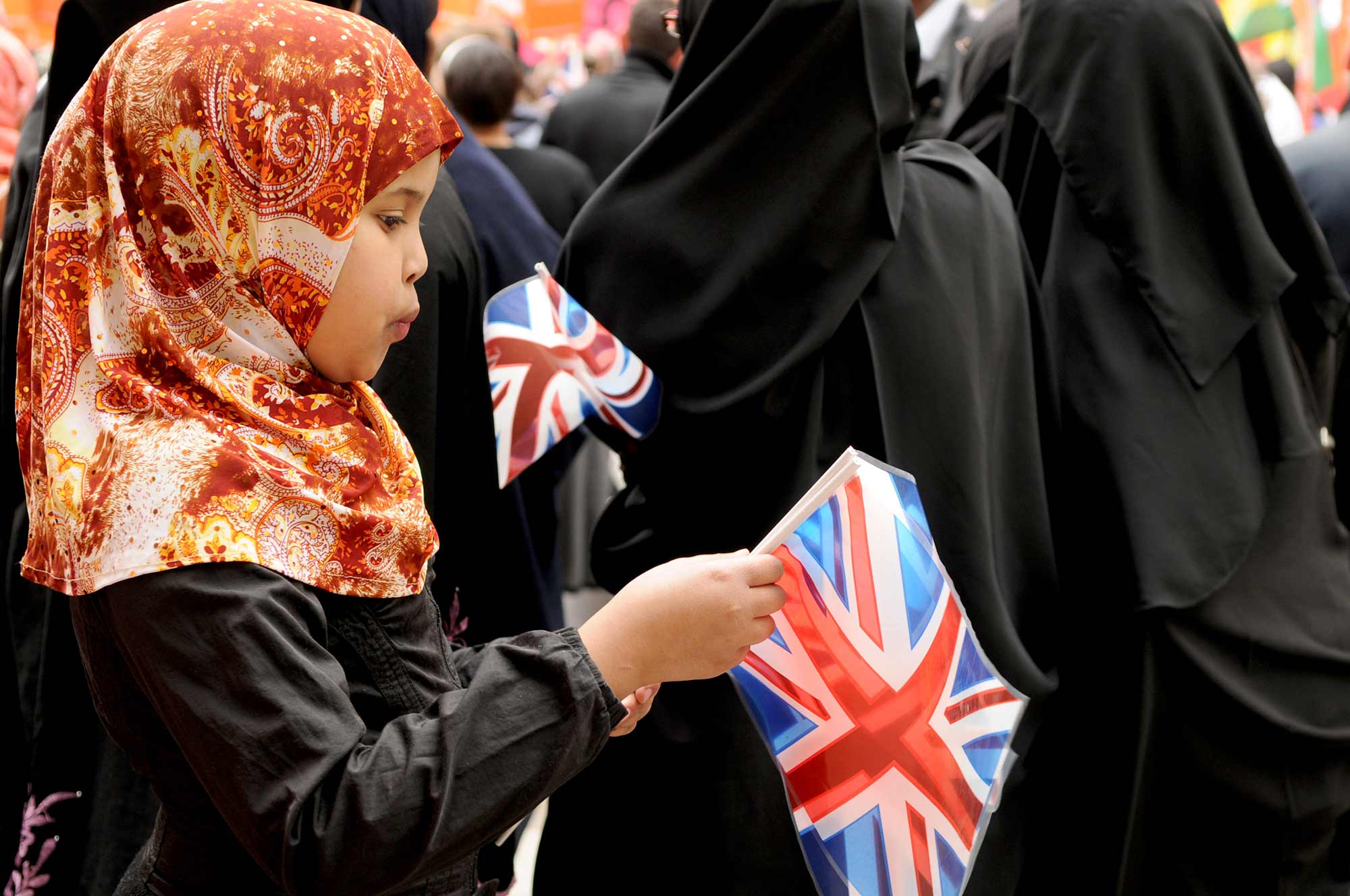
The discussion comes amid wider conversations about identity, social cohesion and the role of communities in modern Britain.
Supporters of the idea argue that different communities across the country have developed traditions that offer valuable lessons about strengthening relationships, supporting vulnerable people and encouraging civic participation.
Others caution that communities are diverse and that political discussions should avoid presenting any group as having a single set of beliefs or experiences.
Focus on family and community networks
One area highlighted in the debate is the importance placed by many Muslim families on close relationships and mutual support.
Community organisations, religious centres and local networks often provide assistance to people facing financial difficulties, loneliness or social challenges.
Supporters of this perspective argue that these forms of community involvement reflect values that have historically been important across many parts of British society.
They suggest that political movements focused on social responsibility could benefit from looking beyond traditional ideological divisions and learning from successful community structures.
The argument is not about adopting a particular religious viewpoint, but about recognising practical examples of how communities organise support systems.
Conservative traditions and changing society
The debate has also prompted reflection within the British right about the meaning of traditional values in a changing society.
Historically, conservative politics has often placed emphasis on family, responsibility, local communities and social stability.
However, critics argue that political discussions about these issues have sometimes focused more on individual responsibility than on the networks and institutions that help people succeed.
Some commentators suggest that strengthening communities requires more than personal effort and that social bonds play an important role in creating stable societies.
They argue that lessons can come from many different cultural and religious backgrounds.
Muslim communities and civic participation
Across the UK, many Muslim communities have developed a wide range of organisations involved in charity work, education, youth programmes and local support projects.
These activities have contributed to discussions about how faith groups can play a role in wider society.
Supporters of greater community involvement argue that voluntary organisations can help address challenges that governments alone cannot solve.
They say strong local networks can create trust, encourage participation and provide support during difficult times.
However, community leaders also emphasise that Muslim communities are not all the same and include people with a wide variety of political, cultural and social views.
A debate about shared values
At the centre of the discussion is the question of whether different political and cultural groups can identify common values despite disagreements on other issues.
Supporters believe concepts such as helping neighbours, caring for families and supporting local communities are shared across many traditions.
They argue that recognising these similarities could help reduce divisions and encourage greater cooperation.
Critics, however, warn against using cultural comparisons to create simplistic arguments about identity or politics.
They say societies are complex and that values should be discussed with attention to individual experiences.
The role of community in modern Britain
The debate reflects broader concerns about social isolation, declining participation in local organisations and pressure on public services.
Many researchers and community leaders have highlighted the importance of voluntary groups and local networks in creating stronger communities.
Political parties across the spectrum have increasingly discussed ways to encourage greater civic participation.
The challenge is finding policies that support communities without replacing the role of individuals, families or voluntary organisations.
Beyond political divisions
Some commentators argue that discussions about shared values could provide an opportunity to move beyond traditional political divisions.
Rather than viewing communities through the lens of disagreement, they suggest focusing on areas where different groups have similar goals.
Issues such as caring for older people, supporting young people and improving neighbourhoods are often concerns shared across society.
They believe cooperation between different communities can strengthen social connections and create a greater sense of belonging.
A continuing conversation
The debate over what political movements can learn from different communities reflects wider changes in British society.
As the country becomes increasingly diverse, questions about identity, belonging and shared values are likely to remain part of public discussion.
The idea that political groups can learn from one another challenges traditional divisions and encourages a broader understanding of how communities function.
Whether through family networks, voluntary organisations or local initiatives, supporters of the debate argue that successful community values can offer lessons for everyone.