

Hamas Breaks Silence on Gaza Disarmament Talks With Major Condition
Group links potential weapons discussions to wider political demands as international pressure grows
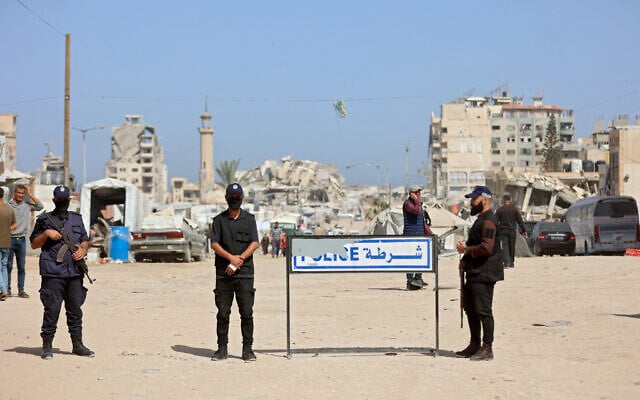
Hamas has responded to growing international pressure over the future of its armed forces in Gaza, outlining conditions that could shape any future discussions about disarmament and the region’s political direction.
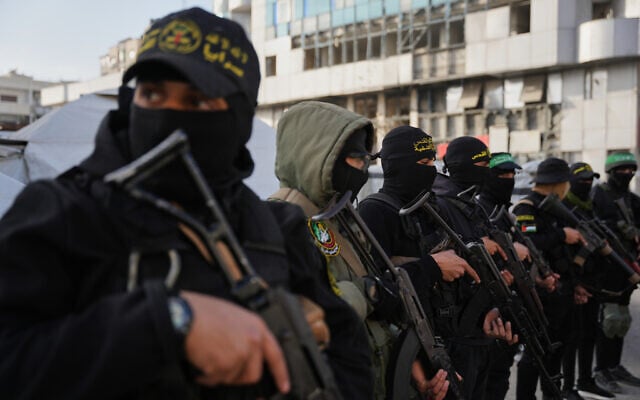
The issue of Hamas disarming has become one of the most difficult questions in efforts to establish long-term stability in Gaza. International governments have argued that the removal of armed groups’ military capabilities would be a key element of any lasting security arrangement.
However, Hamas has maintained that any discussion about weapons cannot be separated from broader political and humanitarian issues affecting Palestinians.
The group’s position has renewed debate over whether a compromise can be reached between demands for security guarantees and calls for political changes in Gaza.
Disarmament remains a central challenge
The question of Hamas’s weapons has been at the heart of diplomatic discussions surrounding the future of Gaza.
Several governments have argued that rebuilding efforts and long-term peace would require guarantees that armed groups cannot continue military operations.
Supporters of this approach say reducing military capabilities is necessary to prevent future conflicts and create conditions for reconstruction.
Hamas, however, has repeatedly argued that its armed presence is connected to wider issues, including Palestinian political rights, control of Gaza and the future status of the territory.
The group has resisted calls for unconditional disarmament and has instead linked the issue to broader negotiations.
Demand for wider agreement
Hamas officials have indicated that any discussion about weapons would need to be part of a wider political framework rather than a separate security decision.
The group has called for arrangements that address governance, reconstruction and the future administration of Gaza.
Supporters of Hamas’s position argue that political questions must be resolved alongside security issues.
They say focusing only on disarmament without addressing the underlying conflict would fail to create a sustainable solution.
Opponents, however, argue that armed groups cannot play a role in Gaza’s future without major changes to their military structure.
International pressure continues
The debate comes as international leaders continue efforts to find a pathway towards stability in Gaza following prolonged conflict and widespread destruction.
Governments involved in diplomatic efforts have called for a framework that protects civilians, supports reconstruction and prevents renewed fighting.
The future role of Hamas remains one of the biggest obstacles in negotiations.
Some countries have stated that Gaza’s future administration must not allow armed groups to operate independently.
Others have emphasised the importance of ensuring that any political arrangement reflects the needs and rights of the Palestinian population.
Humanitarian situation remains a priority
Alongside political discussions, humanitarian concerns continue to dominate international attention.
Millions of people in Gaza have been affected by conflict, with major challenges involving housing, healthcare, food supplies and infrastructure.
Aid organisations have called for continued access for humanitarian assistance and warned that political disagreements should not prevent support reaching civilians.
Diplomatic officials have stressed that any long-term agreement must include plans for reconstruction and economic recovery.
Divisions over Gaza’s future
The debate over Hamas’s future role reflects deeper disagreements about governance in Gaza.
Some international leaders have called for a new administrative structure that excludes armed groups from political control.
Others argue that any future arrangement must consider the realities on the ground and involve Palestinian representatives.
The issue remains highly sensitive, with different parties holding competing views over security, sovereignty and political representation.
Difficult road ahead
Analysts say reaching agreement on disarmament will likely require negotiations involving multiple regional and international actors.
The issue is not only about weapons but also about trust, political authority and guarantees for all sides.
Previous attempts to resolve conflicts in the region have shown that security measures alone rarely provide a complete solution.
Diplomatic efforts will likely continue as governments seek a framework that addresses immediate security concerns while creating conditions for long-term stability.
A key moment for future negotiations
Hamas’s latest position highlights the complexity of discussions over Gaza’s future.
While international pressure for disarmament remains strong, the group has signalled that it views the issue as part of a much larger political settlement.
The coming negotiations will determine whether the opposing demands of security, governance and political rights can be brought closer together.
For now, the question of Hamas’s weapons remains one of the most significant challenges facing efforts to establish lasting peace and stability in the region.