


Andy Burnham’s Major Announcement on the Social Care Crisis: A New Vision for Britain’s Care System
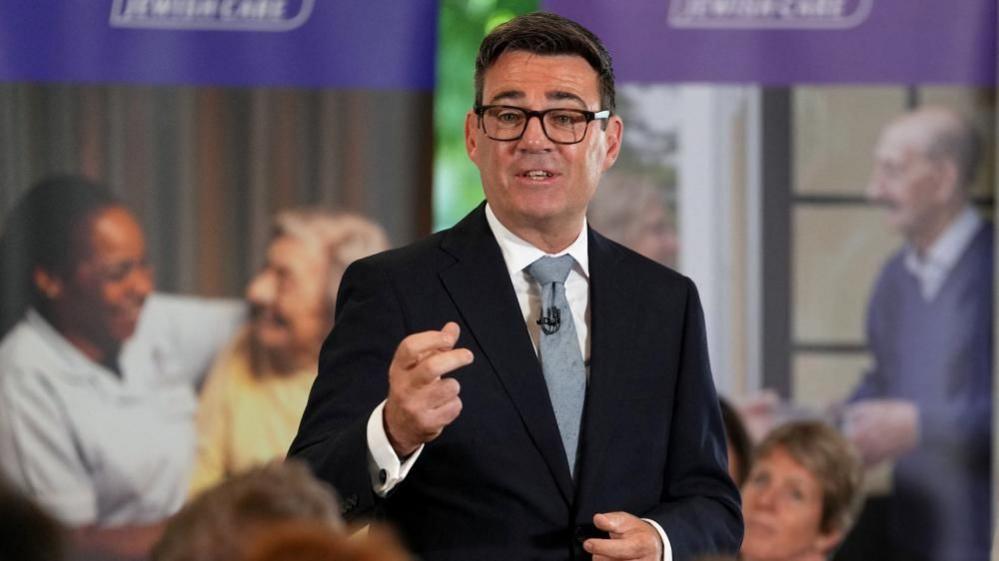
The social care crisis has become one of the most serious and persistent challenges facing Britain today. For many years, politicians from different parties have acknowledged that the system needs major reform, yet meaningful change has remained difficult to achieve. Problems such as rising costs, an ageing population, staff shortages, and unequal access to services have placed enormous pressure on families, local authorities, and care workers. Andy Burnham’s recent major announcement on social care has therefore attracted significant attention because it represents an attempt to address a problem that many previous governments have struggled to solve.
Social care is a vital part of society because it supports people who cannot fully manage everyday activities without assistance. This includes elderly people, disabled individuals, and those living with long-term health conditions. Unlike the National Health Service (NHS), which is based on the principle of healthcare being available according to need, social care has traditionally involved complicated financial arrangements. Many people have faced uncertainty about whether they will receive support and how much they may have to pay.

Burnham has argued that Britain needs a different approach. His announcement reflects the view that social care should not be treated as a secondary issue but as an essential public service. According to this perspective, caring for vulnerable people is not only a matter of individual responsibility but also a responsibility shared by society as a whole.
One of the key ideas behind Burnham’s approach is the need for closer cooperation between health services and social care providers. For many years, the separation between the NHS and social care has created practical difficulties. A patient may receive excellent medical treatment in hospital but struggle to access the right support after returning home. This can lead to delayed hospital discharges, increased pressure on healthcare services, and unnecessary stress for families.
A more integrated system could allow people to receive support earlier and prevent problems from becoming emergencies. For example, elderly citizens who receive appropriate assistance at home may remain independent for longer and avoid situations where hospital care becomes necessary. Supporters of reform believe that improving coordination could benefit both individuals and the wider healthcare system.
However, changing social care is not a simple task. One of the biggest challenges is funding. Providing high-quality care requires significant financial resources, including better wages for care workers, improved facilities, and expanded services. Any government attempting major reform must answer difficult questions about where the money will come from and how costs will be shared fairly.
The financial debate surrounding social care has existed for decades. Many families worry that they could face overwhelming expenses if a relative requires long-term support. Some people fear losing their savings or property because of care costs, while others argue that taxpayers should not be expected to cover every expense. Finding a balance between personal responsibility and public support remains one of the most complicated issues in social policy.
Another important aspect of Burnham’s announcement is the future of the care workforce. Care workers perform some of the most important jobs in society, but the sector has often struggled with low pay, difficult working conditions, and recruitment problems. Many workers leave the profession because they feel undervalued or unable to build a stable career.
A successful social care reform programme must therefore focus not only on people receiving care but also on the people providing it. Better training, improved career opportunities, and fairer pay could help create a more stable workforce. Without enough skilled workers, even the most ambitious government plans would struggle to succeed.
The announcement also highlights a broader question about how Britain views ageing and vulnerability. A modern society must consider how it supports people throughout their lives, not only when they are young and healthy. Longer life expectancy is a major achievement, but it also requires governments to rethink how public services are designed.
An ageing population means that demand for care is likely to continue increasing. More people are living longer with complex medical conditions, and families are often unable to provide all the support required. This makes social care reform not only a current concern but also a long-term national priority.
Burnham’s proposals have received both support and criticism. Supporters believe that he is willing to confront a difficult issue that has been ignored for too long. They argue that strong political leadership is needed because previous attempts at reform have often failed due to short-term thinking and political disagreements.
Critics, however, may question whether the proposed changes are affordable and realistic. Large reforms require careful planning, and promises made during political announcements must eventually be translated into practical policies. The success of any social care strategy will depend on implementation rather than simply the ambition of the ideas.
Another challenge is gaining public trust. Social care affects millions of people, but many citizens do not think about the issue until they personally experience it. Governments must communicate clearly about what changes are being introduced, why they are necessary, and how they will affect individuals and families.
Political cooperation may also be essential. Social care is a long-term issue that extends beyond election cycles. A reform programme that changes every few years because of political disagreements may fail to provide the stability required. Building agreement across different groups could help create a system that lasts for future generations.
The announcement by Andy Burnham represents a significant moment because it places social care at the centre of political discussion. It recognizes that the current system faces serious challenges and that continuing without reform may create greater problems in the future.
Nevertheless, solving the social care crisis will require more than speeches and promises. It will require investment, careful planning, and a commitment to improving the lives of both care recipients and care workers. Reform must be judged by practical outcomes: whether elderly people receive better support, whether families face less pressure, and whether workers are treated with greater respect.
The debate over social care is ultimately a debate about values. It asks what kind of society Britain wants to build and how it treats people when they become vulnerable. A strong care system reflects compassion, responsibility, and respect for human dignity.
Andy Burnham’s announcement has opened a new discussion about the future of social care. Whether it becomes a turning point or another unfinished political promise will depend on the decisions made in the years ahead. The challenge is significant, but the need for change is clear. Britain’s social care system must evolve to meet the needs of a changing population and ensure that everyone can receive support when they need it most.