


Andy Burnham Rules Out Calling Snap General Election and Pledges to Continue Delivering Labour’s Agenda
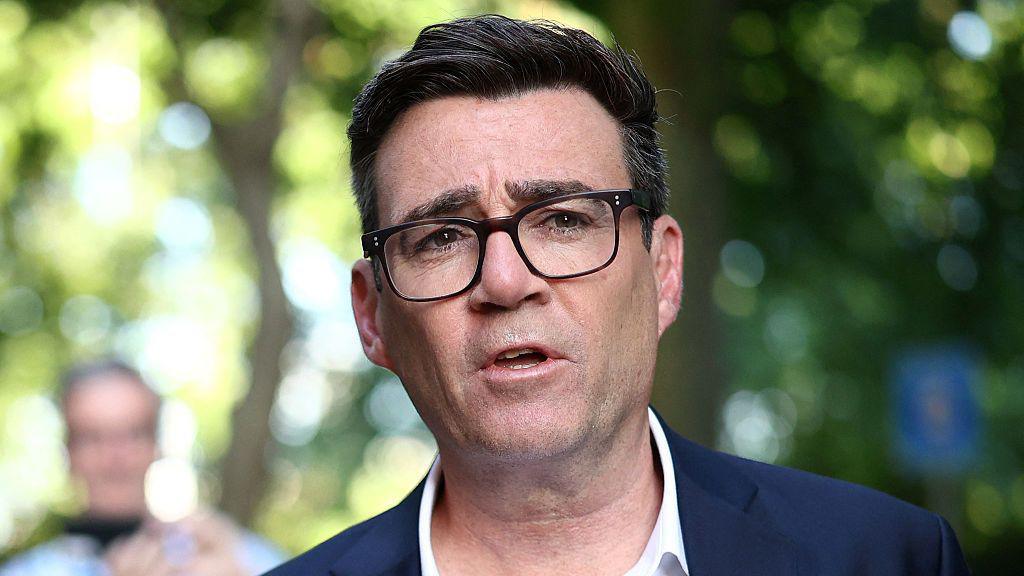
Andy Burnham has signalled that he does not intend to pursue the dramatic step of calling an early General Election, instead choosing to focus on delivering Labour’s wider political programme and addressing the challenges facing communities across Britain. His position reflects a broader argument that long-term change requires stability, careful planning, and consistent government action rather than frequent electoral contests.
The decision comes amid continuing debate about the future direction of British politics, with pressure on political leaders to demonstrate progress on major issues including the economy, public services, healthcare, housing, and regional inequality. While some voices argue that a fresh mandate could provide an opportunity for voters to decide the country’s future direction, others believe that governments should be given time to implement their plans and demonstrate results.
Burnham’s approach highlights a familiar challenge in modern politics: balancing the demands for immediate action with the need for long-term reform. Major changes to national systems rarely happen quickly, and policies involving healthcare, infrastructure, education, and economic development often require years of investment before their full impact becomes visible.
Supporters of avoiding a snap election argue that political stability is essential, particularly during periods of economic uncertainty. They believe that constant campaigning can distract from governing responsibilities and prevent leaders from focusing on practical solutions. According to this view, the priority should be improving daily life for citizens rather than returning repeatedly to election battles.
Burnham has built much of his political identity around the idea of practical government. Throughout his career, he has often emphasized delivery, local decision-making, and policies designed to address real-world problems. His supporters argue that continuing with Labour’s manifesto commitments demonstrates a focus on results rather than political tactics.
The Labour agenda contains a wide range of ambitions, including improving public services, supporting economic growth, strengthening healthcare, tackling regional inequalities, and creating greater opportunities for communities across the country. Achieving these goals requires significant coordination between national government, local authorities, businesses, and public organizations.
One of the biggest challenges facing any government is managing public expectations. Election campaigns often create optimism by promising improvements across multiple areas, but governing requires difficult decisions, financial discipline, and compromise. Leaders must decide which priorities can be delivered immediately and which require longer-term investment.
For Burnham, continuing with Labour’s programme represents an argument for consistency. Supporters believe that voters benefit when governments follow through on commitments rather than constantly changing direction. They argue that stability allows public services and businesses to plan more effectively.
However, critics may question whether avoiding an early election risks allowing political problems to grow. Opponents could argue that governments facing criticism should seek renewed public support rather than continuing without a fresh mandate. In a competitive political environment, every decision can become part of a wider debate about leadership and accountability.
The issue also reflects broader changes in how voters view politics. Many people have become less attached to traditional party loyalties and more focused on whether politicians deliver visible improvements. As a result, governments are increasingly judged by outcomes rather than promises.
Economic performance is likely to play a central role in determining public opinion. Issues such as household costs, wages, employment opportunities, and business confidence directly affect how citizens evaluate political leadership. Even ambitious policies can struggle to gain public support if people do not feel improvements in their everyday lives.
Public services represent another major test. Healthcare, social care, education, and transport remain among the issues most frequently raised by voters. Improving these areas requires not only funding but also effective management, workforce planning, and long-term strategy.
Burnham has frequently highlighted the importance of social care reform and stronger links between local communities and public services. His argument is that national challenges often require solutions designed around the needs of individual regions. Greater cooperation between central and local government, he suggests, can create more effective outcomes.
The decision not to pursue a snap election also reflects the reality that elections carry significant risks. Political leaders must consider whether an early vote would strengthen their position or create further uncertainty. A government may choose to continue governing when it believes its policies need more time to produce results.
Political history shows that public opinion can change rapidly. Parties enjoying strong support can lose momentum, while those facing criticism can recover through effective leadership and successful policies. For this reason, avoiding unnecessary elections can allow governments to focus on rebuilding trust through performance.
The Labour manifesto will therefore remain under close scrutiny. Supporters will look for evidence that commitments are being transformed into practical improvements, while critics will examine whether promises are realistic and affordable.
Housing is likely to remain an important area of debate. Rising property prices and rental costs have created difficulties for many families, particularly younger people trying to establish financial security. Any government seeking long-term support will need to demonstrate progress in expanding housing availability and improving affordability.
Employment and economic opportunity will also influence public confidence. Many communities want to see investment reaching areas that have historically experienced fewer opportunities. Policies aimed at regional development, skills training, and infrastructure improvement are often presented as ways to create more balanced economic growth.
Climate policy and energy security may provide another significant challenge. Governments must balance environmental goals with concerns about affordability and energy reliability. Decisions in this area can affect households, businesses, and Britain’s long-term economic strategy.
Meanwhile, the NHS continues to represent one of the most important political issues. Waiting times, workforce shortages, and rising demand remain major concerns. Many voters will judge government performance based on whether they experience meaningful improvements in healthcare access.
The decision to continue with Labour’s manifesto rather than seek an immediate election suggests a belief that political credibility depends on implementation. Promises made during campaigns only become meaningful when they translate into real-world results.
For Burnham, the message is that government should be measured by what it achieves rather than how often it seeks political advantage. His supporters argue that focusing on delivery can help rebuild trust among voters who have become frustrated with constant political conflict.
Nevertheless, the coming period will test whether this approach can succeed. Political patience is not unlimited, and voters often expect governments to show progress within a reasonable timeframe. Delays, unpopular decisions, or failures to meet expectations could create new challenges.
Ultimately, the decision not to call a snap General Election represents a choice to prioritize continuity over immediate political competition. Whether that decision proves successful will depend on the government’s ability to address major challenges and demonstrate that its policies are improving people’s lives.
British politics remains unpredictable, and circumstances can change quickly. Economic developments, international events, and public reaction to government decisions will all influence the political landscape. But for now, Burnham’s focus appears to be on continuing Labour’s programme, strengthening public services, and attempting to deliver the changes promised to voters.
The coming years will reveal whether this strategy can build lasting public confidence. In the end, political success is rarely determined by election timing alone. It is shaped by whether leaders can turn commitments into outcomes that people can see, experience, and believe in.