

Warning Andy Burnham Could Be Forced to Scrap ‘Expensive’ State Pension Triple Lock

A renewed debate over the future of Britain’s state pension system has emerged following warnings from political and economic commentators that any future government led by Andy Burnham could face difficult choices over the long-term affordability of the state pension triple lock. While Burnham has repeatedly emphasized the importance of protecting older people and ensuring pensioners enjoy financial security, analysts argue that mounting fiscal pressures could eventually force even the most committed politicians to reconsider one of the UK’s most closely watched retirement policies.
The discussion comes at a time when Britain continues to face significant economic challenges, including rising healthcare costs, an aging population, increasing demand for public services, and the need to maintain sustainable public finances. These competing priorities have intensified questions about how future governments can balance support for retirees while continuing to invest in education, infrastructure, housing, and economic growth.
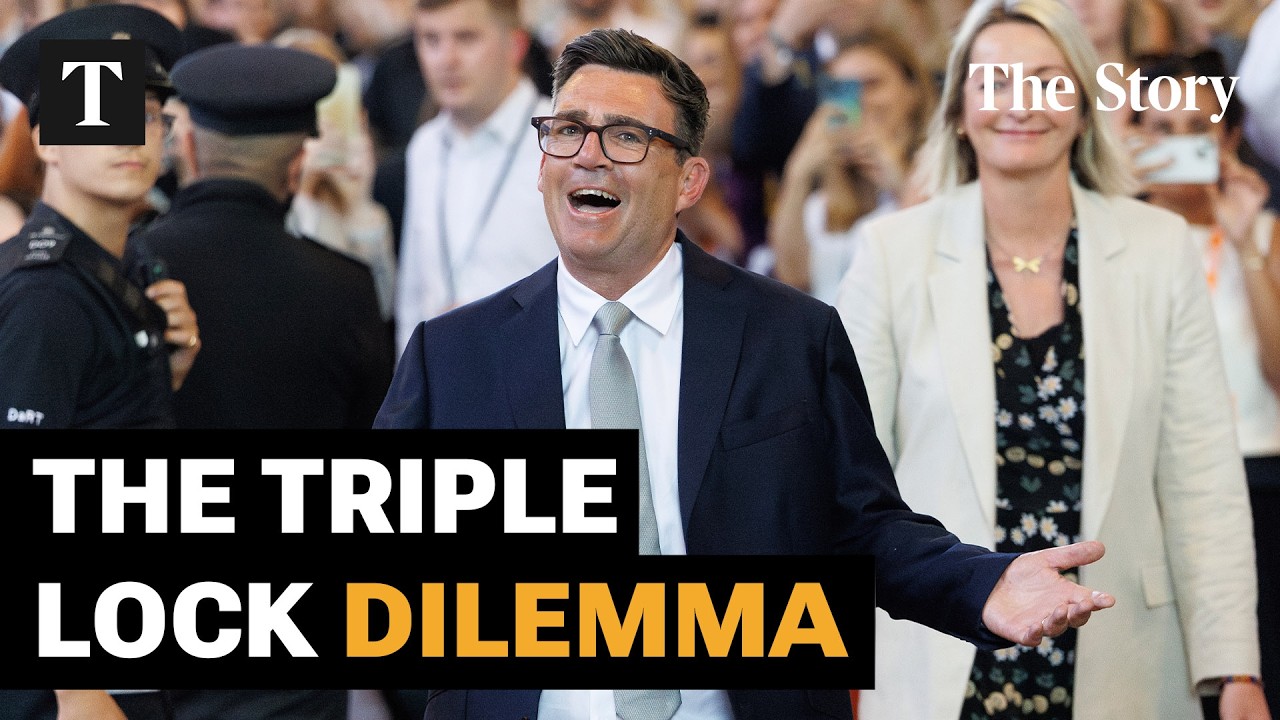
The state pension triple lock has become one of the defining features of Britain’s retirement system since its introduction. Under the policy, the state pension increases each year by whichever is highest among inflation, average earnings growth, or 2.5 percent. Supporters argue that the mechanism protects pensioners from losing purchasing power during periods of high inflation while ensuring retirees share in broader economic prosperity when wages increase.
For many older citizens, the triple lock has provided reassurance during years marked by economic uncertainty. Pensioners often rely heavily on their state pension as a primary source of income, particularly those with limited private savings or occupational pensions. As energy bills, food prices, and housing costs have risen in recent years, maintaining the value of retirement income has remained a central political issue.
Andy Burnham has long been associated with policies emphasizing social protection and support for public services. Throughout his political career, he has frequently argued that government should ensure vulnerable groups receive adequate financial support and that older people deserve dignity and security throughout retirement. Those positions have earned him considerable support among many Labour members and pensioner organizations.
However, economists caution that maintaining generous pension uprating indefinitely may become increasingly expensive as demographic trends evolve. Britain’s population is living longer, meaning more people receive the state pension for extended periods. At the same time, the proportion of working-age taxpayers supporting retirement benefits is expected to change over the coming decades, creating additional pressure on government finances.
These long-term demographic shifts have prompted some financial analysts to suggest that future governments of any political persuasion could eventually face difficult decisions regarding pension policy. They emphasize that the issue extends beyond party politics and reflects broader structural changes affecting many developed economies with aging populations.
Some economists argue that while the triple lock has successfully protected pensioners, it can produce unpredictable increases in government spending during years of unusually high inflation or rapid wage growth. Because the formula guarantees whichever measure delivers the highest increase, public expenditure can rise significantly in circumstances where tax revenues may not keep pace.
Supporters of reform suggest that future governments might consider alternative approaches designed to maintain pensioners’ living standards while reducing fiscal volatility. Ideas frequently discussed in policy circles include linking pensions to average earnings over longer periods, introducing modified protection mechanisms, or reviewing eligibility arrangements. Such proposals remain highly controversial, however, given the political sensitivity surrounding retirement income.
Burnham has not indicated that he intends to abolish the triple lock, and supporters insist that protecting pensioners remains an important priority. They argue that speculation about future policy changes should not be mistaken for official proposals. Instead, they emphasize Burnham’s broader commitment to tackling inequality, improving public services, and supporting households facing financial pressures.
Political observers nevertheless acknowledge that governing often requires balancing competing priorities. Any administration inheriting challenging economic conditions may find itself making difficult budgetary decisions regardless of campaign commitments. Rising healthcare expenditure, investment in infrastructure, defense obligations, education funding, and efforts to stimulate economic growth all compete for limited public resources.
The debate therefore reflects a broader question confronting policymakers across the political spectrum: how can governments maintain generous social protections while ensuring public finances remain sustainable over the long term?
Advocates of retaining the triple lock argue that removing or weakening the policy could disproportionately affect pensioners living on modest incomes. Many retirees have limited opportunities to increase their earnings after leaving the workforce, making regular pension increases essential for maintaining living standards. They also note that older households often face significant healthcare and energy expenses, particularly during periods of high inflation.
Critics of the current system counter that fairness should also be considered across generations. Younger taxpayers, many of whom face rising housing costs, student debt, and uncertain employment prospects, may question whether pension spending should continue expanding faster than other areas of public expenditure. Some analysts argue that future policy should seek a balance that protects today’s retirees without placing excessive financial burdens on future generations.
Business organizations have also contributed to the discussion, highlighting the importance of maintaining confidence in the broader economy. Stable public finances, they argue, encourage investment, strengthen market confidence, and provide governments with greater flexibility to respond to future economic shocks. Decisions affecting major spending commitments therefore attract close attention from financial institutions and investors alike.
Within Labour, differing opinions continue to exist regarding the most effective approach to long-term welfare policy. Some members believe maintaining strong pension protections demonstrates the party’s commitment to social justice and economic security. Others emphasize the importance of ensuring every major spending commitment remains financially sustainable over time.
Burnham’s political reputation has often centered on pragmatism rather than ideological rigidity. During his time as Mayor of Greater Manchester, he has frequently promoted practical solutions to transport, housing, policing, and economic development while emphasizing cooperation between local authorities and central government. Supporters argue that this approach suggests he would carefully evaluate evidence before considering any significant changes to national pension policy.
Political commentators note that headlines warning Burnham “could be forced” to reconsider the triple lock remain speculative rather than predictive. Economic circumstances, demographic developments, inflation, wage growth, and future government finances will all influence policy decisions in the years ahead. No administration can fully anticipate the fiscal environment it may inherit several years into the future.
Public opinion is also likely to play a decisive role. The state pension remains one of the most closely watched aspects of Britain’s welfare system, and any proposal affecting retirement income would almost certainly generate extensive public debate. Political leaders are well aware that millions of voters closely monitor commitments relating to pensions, making substantial reforms politically sensitive.
The conversation surrounding the triple lock also highlights the broader challenge of managing an aging society. Advances in healthcare have increased life expectancy, allowing more people to enjoy longer retirements. While this represents a significant social achievement, it also requires governments to adapt public finances to changing demographic realities.
Economists increasingly emphasize the importance of long-term planning rather than short-term political decision-making. Policies affecting pensions, taxation, healthcare, and employment are deeply interconnected, meaning adjustments in one area often influence outcomes elsewhere. Sustainable solutions therefore require careful analysis alongside public consultation.
For Burnham, the debate underscores the complexity of modern government. Supporting pensioners, encouraging economic growth, investing in public services, and maintaining responsible public finances are objectives that many voters simultaneously expect political leaders to achieve. Reconciling these priorities remains one of the most difficult tasks facing any future administration.
Ultimately, whether the triple lock remains unchanged, undergoes reform, or is replaced by a different mechanism will depend on economic conditions, parliamentary decisions, and the priorities of whichever government holds office. For now, warnings that Andy Burnham “could be forced” to reconsider the policy remain part of a broader discussion about Britain’s long-term fiscal future rather than evidence of an imminent policy shift.
As Britain continues debating how best to balance financial responsibility with social protection, the future of the state pension will remain a prominent political issue. Whatever decisions are made, they are likely to shape the retirement security of millions of citizens while influencing wider discussions about fairness, public spending, and the country’s economic direction for years to come.