
Andy Burnham Faces Speculation Over Election Plans as Farage and Conservatives Watch Closely

Andy Burnham has become the focus of fresh political speculation after claims that he could be considering a surprise election strategy sparked reactions from opponents who believe there may be an opportunity to challenge his influence.
The rumours have intensified political debate around Burnham’s future ambitions and the wider competition between Labour, Reform UK, and the Conservatives. While there is no certainty about any potential election move, the discussion highlights how closely rivals are watching one of Labour’s most recognisable figures.
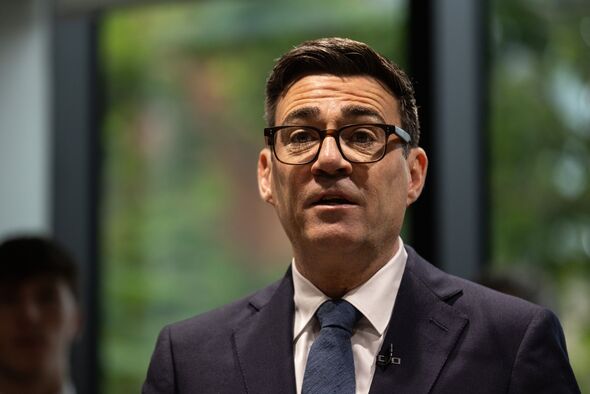
Burnham has built a strong reputation during his time as Mayor of Greater Manchester, presenting himself as a politician focused on local issues, regional investment, and giving communities outside Westminster a stronger voice.
His supporters argue that he represents a different style of leadership from traditional national politicians. They believe his experience in local government has helped him understand the practical challenges facing ordinary people, including housing pressures, transport problems, and public service demands.
However, his growing profile has also made him a target for political opponents.
The Conservatives and Reform UK have both sought to challenge Labour’s position by arguing that voters are becoming increasingly dissatisfied with the government’s direction. They believe any sign of disagreement or uncertainty within Labour could create an opportunity to attract new support.
For Reform UK, the rise of figures such as Burnham represents part of a larger battle for voters who are unhappy with the traditional political system.
Nigel Farage and his supporters have argued that many people no longer feel represented by the established parties. They believe Reform has benefited from this frustration by offering a different approach to major issues such as immigration, taxation, and the economy.
The Conservatives, meanwhile, face their own challenge.
After periods of political difficulty, the party has been under pressure to rebuild support and present itself as a credible alternative. Any suggestion of weakness within Labour could provide an opportunity for Conservatives to regain attention.
The speculation surrounding Burnham demonstrates how important political timing has become.
Election decisions are rarely based on one factor alone. Leaders must consider public opinion, economic conditions, internal party support, and whether opponents are vulnerable.
A snap election can provide advantages, but it can also create major risks.
Calling voters to the polls too early may allow opponents to criticise a government or leader for seeking political advantage rather than focusing on public concerns. Waiting too long, however, may allow opposition parties time to strengthen their campaigns.
This calculation affects politicians at every level.
For Burnham, the question is not only whether an election could benefit him politically, but also whether it would strengthen his wider influence and public image.
His supporters say he has consistently focused on delivering results rather than chasing headlines.
They argue that his popularity comes from his approach to regional leadership and his willingness to challenge decisions made in Westminster when he believes local communities are affected.
Critics take a different view.
They argue that Burnham’s high profile has always been connected to national political ambitions and question whether his decisions are influenced by future plans.
This disagreement reflects the intense competition within modern politics, where public figures are constantly judged on both their actions and their possible intentions.
The broader political environment adds further complexity.
Voters are facing concerns about the cost of living, public services, economic growth, and confidence in political institutions. These issues are likely to influence future elections more than internal political speculation alone.
Andy Burnham Faces Speculation Over Election Plans as Farage and Conservatives Watch Closely
Andy Burnham has become the focus of fresh political speculation after claims that he could be considering a surprise election strategy sparked reactions from opponents who believe there may be an opportunity to challenge his influence.
The rumours have intensified political debate around Burnham’s future ambitions and the wider competition between Labour, Reform UK, and the Conservatives. While there is no certainty about any potential election move, the discussion highlights how closely rivals are watching one of Labour’s most recognisable figures.
Burnham has built a strong reputation during his time as Mayor of Greater Manchester, presenting himself as a politician focused on local issues, regional investment, and giving communities outside Westminster a stronger voice.
His supporters argue that he represents a different style of leadership from traditional national politicians. They believe his experience in local government has helped him understand the practical challenges facing ordinary people, including housing pressures, transport problems, and public service demands.
However, his growing profile has also made him a target for political opponents.
The Conservatives and Reform UK have both sought to challenge Labour’s position by arguing that voters are becoming increasingly dissatisfied with the government’s direction. They believe any sign of disagreement or uncertainty within Labour could create an opportunity to attract new support.
For Reform UK, the rise of figures such as Burnham represents part of a larger battle for voters who are unhappy with the traditional political system.
Nigel Farage and his supporters have argued that many people no longer feel represented by the established parties. They believe Reform has benefited from this frustration by offering a different approach to major issues such as immigration, taxation, and the economy.
The Conservatives, meanwhile, face their own challenge.
After periods of political difficulty, the party has been under pressure to rebuild support and present itself as a credible alternative. Any suggestion of weakness within Labour could provide an opportunity for Conservatives to regain attention.
The speculation surrounding Burnham demonstrates how important political timing has become.
Election decisions are rarely based on one factor alone. Leaders must consider public opinion, economic conditions, internal party support, and whether opponents are vulnerable.
A snap election can provide advantages, but it can also create major risks.
Calling voters to the polls too early may allow opponents to criticise a government or leader for seeking political advantage rather than focusing on public concerns. Waiting too long, however, may allow opposition parties time to strengthen their campaigns.
This calculation affects politicians at every level.
For Burnham, the question is not only whether an election could benefit him politically, but also whether it would strengthen his wider influence and public image.
His supporters say he has consistently focused on delivering results rather than chasing headlines.
They argue that his popularity comes from his approach to regional leadership and his willingness to challenge decisions made in Westminster when he believes local communities are affected.
Critics take a different view.
They argue that Burnham’s high profile has always been connected to national political ambitions and question whether his decisions are influenced by future plans.
This disagreement reflects the intense competition within modern politics, where public figures are constantly judged on both their actions and their possible intentions.
The broader political environment adds further complexity.
Voters are facing concerns about the cost of living, public services, economic growth, and confidence in political institutions. These issues are likely to influence future elections more than internal political speculation alone.