

Nigel Farage Angry After Being Excluded From Andy Burnham’s Cross-Party Social Care Talks
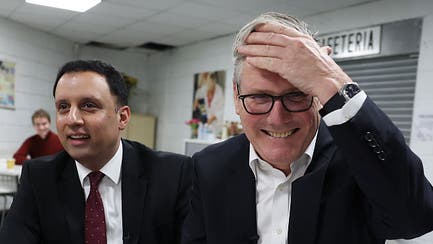
Nigel Farage has expressed frustration after being left out of cross-party discussions led by Andy Burnham on the future of social care, sparking another political dispute over who should have a voice in shaping Britain’s public services.
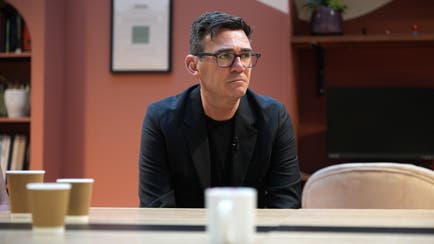
The disagreement highlights a growing battle over influence in British politics. As pressure increases to find long-term solutions for major challenges such as social care, political leaders are facing questions about whether cooperation should include all parties or only those with established roles in government and local leadership.
For Burnham, bringing different political voices together has been presented as an attempt to find practical answers to a problem that has affected millions of families across the country. Social care has remained one of the most difficult issues facing successive governments, with concerns about funding, staffing, and support for vulnerable people continuing for years.
However, Farage and his supporters argue that excluding Reform UK ignores a significant section of public opinion.
They believe that if Reform represents a growing number of voters, the party should be included in important national conversations. They argue that refusing to involve Reform risks creating the impression that established political figures are unwilling to listen to alternative viewpoints.
The dispute reflects a wider question about the changing nature of British politics.
For decades, major policy discussions were largely dominated by Labour and the Conservatives. However, the rise of Reform UK has challenged that traditional arrangement and created pressure on other parties to acknowledge its growing influence.
Farage has built much of his political career around challenging what he describes as the political establishment. His supporters believe his exclusion from discussions proves their argument that traditional parties are resistant to change.
They argue that voters who support Reform deserve representation in debates about the country’s future.
Critics, however, take a different view.
They argue that cross-party discussions do not necessarily require every political party to be involved and that leaders must decide which groups can contribute most effectively to specific policy areas.
They may also question whether political disagreements could make cooperation more difficult if discussions become focused on party rivalry rather than finding solutions.
The issue of social care makes the debate especially important.
Unlike many political topics that divide voters along traditional party lines, social care affects people across society. Older citizens, families, workers, and local communities all have an interest in how the system is managed.
The challenges are significant.
An ageing population has increased demand for care services, while many providers have struggled with financial pressures and staff shortages. Families often face difficult decisions about supporting relatives, and local authorities have frequently warned about the strain placed on budgets.
Because of these pressures, many politicians argue that long-term cooperation is necessary.
Supporters of cross-party talks believe social care should not become only a political battle. They argue that lasting reform requires discussion between different groups and a willingness to consider ideas from across the political spectrum.
However, the involvement of Reform UK raises questions about how Britain’s changing political landscape should be managed.
The party has gained support by challenging established approaches and presenting itself as an alternative to traditional leadership. As a result, other politicians face a difficult choice: whether to include Reform in major discussions or risk appearing to ignore its supporters.
For Farage, being excluded provides an opportunity to argue that Reform is being treated unfairly.
He has often criticised what he sees as a political system that protects established parties while limiting the influence of challengers.
His supporters believe that including Reform in discussions would better reflect the current reality of British politics.
The controversy also demonstrates the importance of political image.
Being invited to negotiations can suggest recognition and legitimacy. Being left out can be portrayed as evidence of isolation or rejection.
For Burnham, the challenge is balancing cooperation with political differences.
He must decide whether the priority is gathering the widest possible range of opinions or creating a smaller group focused on achieving practical agreement.
Both approaches have advantages and disadvantages.
A wider discussion may include more perspectives and better represent public opinion. However, a smaller group may find it easier to reach agreement and develop workable proposals.
The disagreement between Farage and Burnham is therefore part of a much larger debate about how democracy should function in a changing political environment.
As more voters move away from traditional parties, the old rules of political influence are being questioned.
New movements want recognition, while established parties must decide how to respond.
The future of social care will ultimately depend on policy decisions rather than political arguments alone. Funding, workforce planning, and the structure of care services will determine whether reforms succeed.
But the political debate surrounding the issue reveals something important about modern Britain.
The country’s political landscape is becoming more competitive, and parties can no longer assume that only traditional voices will shape national discussions.
For Nigel Farage and Reform UK, exclusion from the talks may strengthen their argument that they are challenging a system resistant to change.
For Andy Burnham and those supporting cross-party cooperation, the focus remains on finding solutions to one of Britain’s most complex public service problems.
The question now is whether political disagreements will prevent cooperation or whether different parties can find common ground when facing challenges that affect the entire country.
In the end, the debate over social care is not only about who sits at the table.
It is about whether Britain’s political system can adapt to a new era where voters expect more voices to be heard.