

Labour’s Poll Momentum Grows as Farage Faces Pressure, but Andy Burnham Still Has Much to Prove
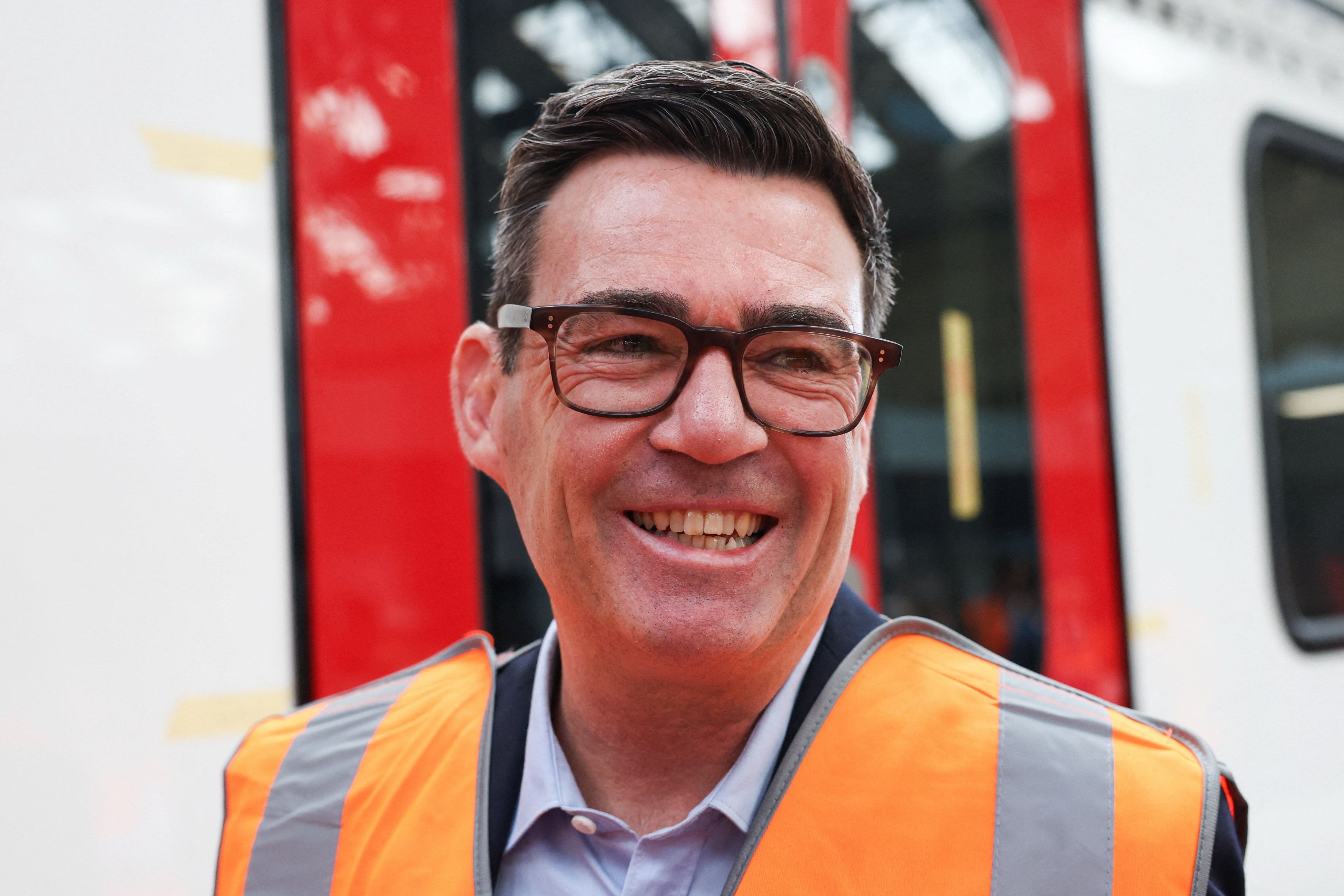
A new political mood appears to be developing in Britain as Labour supporters sense renewed confidence, Reform UK faces questions over its direction, and Andy Burnham finds himself under growing pressure to demonstrate that his leadership can deliver meaningful results.
For months, British politics has been dominated by uncertainty. Voters have expressed frustration over the economy, public services, immigration, healthcare pressures, and the overall direction of the country. In this environment, opinion polls have become an important indicator of public sentiment, with every shift closely examined by political parties searching for signs of opportunity or danger.
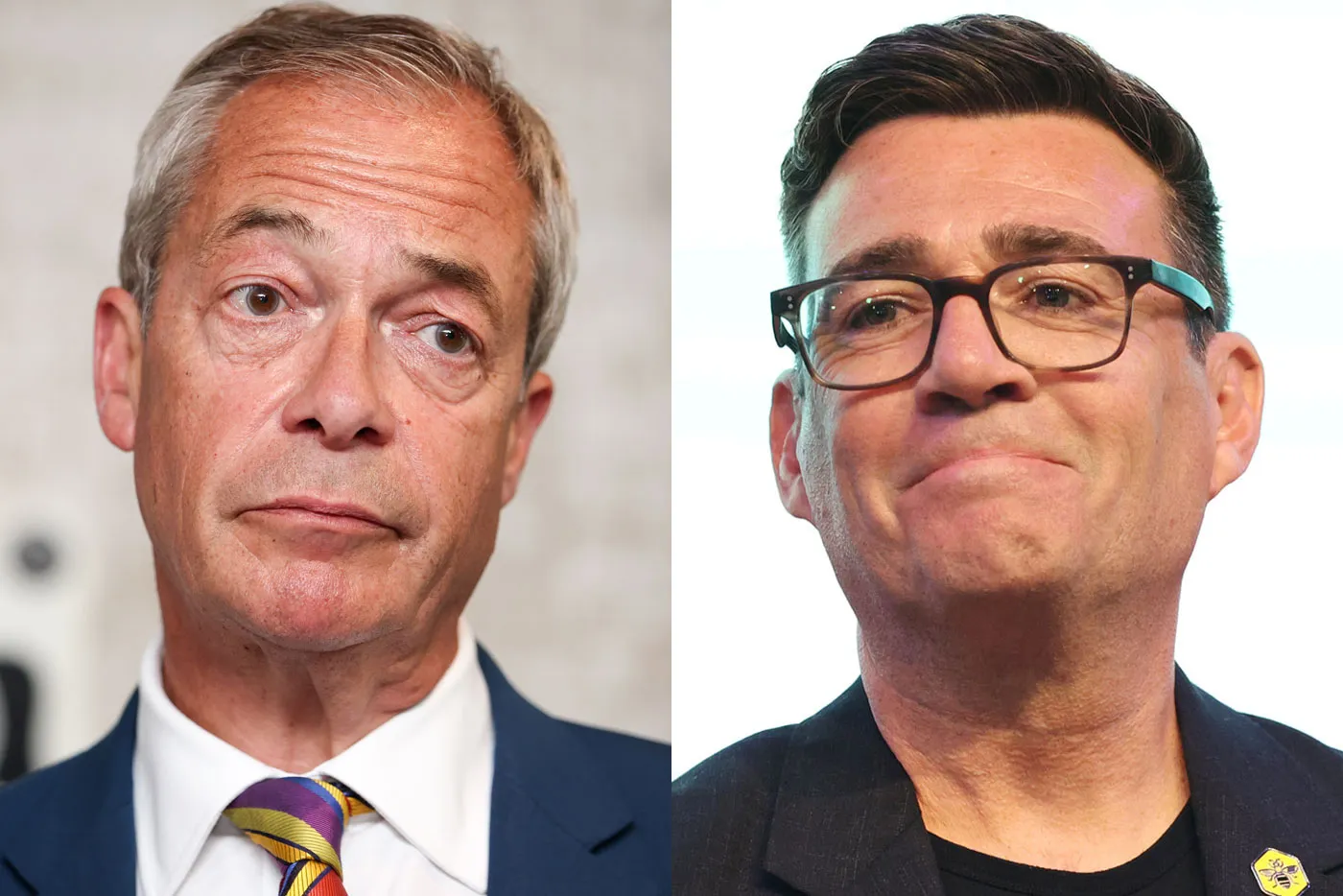
A stronger Labour position in the polls has been described by supporters as a significant moment. After periods of criticism and internal challenges, the party has sought to present itself as a credible government-in-waiting, focusing on issues such as economic stability, public service reform, and rebuilding trust among voters.
However, politics is rarely determined by one poll or one moment. Public opinion can change quickly, especially when voters are making judgments based on personal experiences rather than party promises. Rising household costs, pressure on healthcare systems, and concerns about local services continue to influence how people view political leaders.
At the same time, Reform UK leader Nigel Farage has faced increasing scrutiny. The party has gained attention by attracting voters who feel disconnected from traditional politics, particularly those concerned about immigration, national identity, and dissatisfaction with established parties.
Farage’s political strength has often come from his ability to communicate directly with voters who believe mainstream politicians have ignored their concerns. His supporters argue that Reform has successfully brought attention to issues that other parties avoided discussing.
Yet maintaining political momentum presents its own challenges. A party built around protest and dissatisfaction must eventually demonstrate detailed solutions to complex problems. Critics argue that winning public support through criticism of existing systems is easier than managing the practical responsibilities of government.
The pressure on Reform is therefore not only about attracting voters but also about proving that it can translate popularity into effective political action.
Meanwhile, Andy Burnham remains one of the most recognisable figures in British local politics. As Mayor of Greater Manchester, he has built a national reputation through his outspoken views on regional investment, public services, transport, and local decision-making.
Burnham has often presented himself as a politician willing to challenge central government and fight for greater powers for communities outside London. His supporters see him as a strong advocate for ordinary people and a leader who understands the concerns of northern England.
However, popularity alone does not guarantee political success. Burnham faces the difficult task of showing that his leadership can produce practical improvements. Voters increasingly judge politicians not only by their speeches but by visible results in their daily lives.
Issues such as housing shortages, social care pressures, transport reliability, and economic inequality remain major challenges across Greater Manchester. Supporters argue that many of these problems require long-term investment and cannot be solved quickly. Critics, however, believe leaders must provide clearer evidence of progress.
Burnham’s future political influence may depend on whether he can bridge the gap between ambitious promises and measurable outcomes. His ability to build partnerships, attract investment, and improve public services will likely determine how voters assess his record.
The wider political landscape also reflects a changing relationship between voters and traditional parties. Many people are less loyal to political identities than previous generations and are increasingly willing to change their support based on specific issues.
This creates both opportunities and risks. Labour may benefit from voters seeking stability, while Reform may continue attracting those demanding a dramatic change in direction. Local leaders such as Burnham must compete in an environment where national and regional politics are increasingly connected.
Social media has further transformed political debate. Leaders can communicate directly with the public, but they are also exposed to immediate criticism. A single statement, policy decision, or controversy can dominate headlines within hours.
For Labour, maintaining a poll lead requires more than celebrating favourable numbers. The party must convince voters that it has realistic plans and the ability to deliver them. History shows that governments are judged most severely when expectations are high but results fail to appear.
For Reform, the challenge is moving beyond protest politics and convincing a broader section of the electorate that it represents a serious governing alternative. Strong messages may attract attention, but voters often demand detailed answers when considering who should hold power.
For Burnham, the challenge is perhaps more personal. Having established himself as a national political figure, he must prove that his record matches his reputation. Support from the public can create opportunities, but it also brings greater expectations.
The current political moment demonstrates that British politics remains highly competitive and unpredictable. A Labour poll lead may represent an important psychological boost, while difficulties for Reform may create openings for opponents. Yet elections are ultimately decided by voters who judge parties and leaders on trust, credibility, and performance.
The months ahead will test whether Labour can maintain its momentum, whether Reform can overcome questions about its long-term strategy, and whether figures like Andy Burnham can convert public recognition into lasting political achievement.
In the end, political success depends not only on capturing attention but on delivering results. For every party and every leader, the same challenge remains: turning public expectations into practical change.