
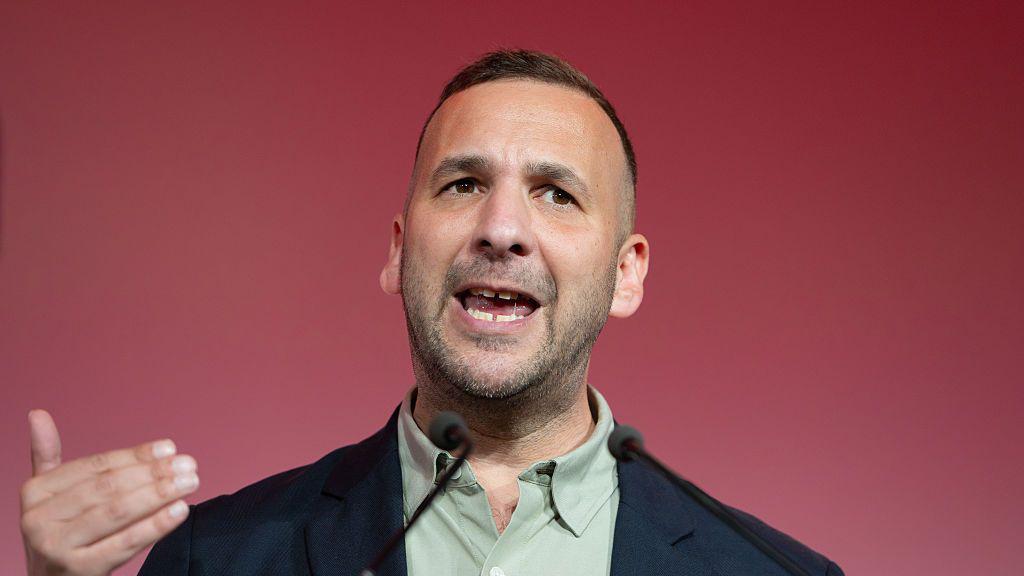
Political Storm Erupts as Reform UK Reports Zack Polanski Over Controversial Guillotine T-Shirt Post
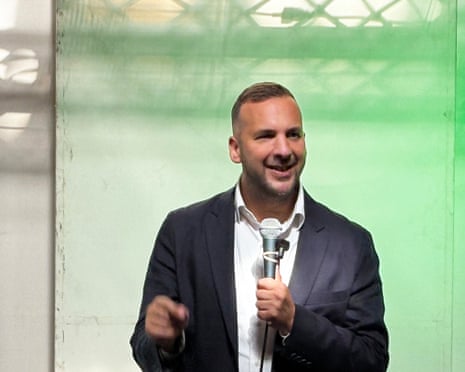
A fresh political controversy has erupted in Britain after Reform UK reported Green Party leader Zack Polanski to the police over a social media post featuring a controversial image of a guillotine-themed T-shirt. The incident has triggered a wider debate about political language, online responsibility, freedom of expression, and the increasingly heated atmosphere surrounding public debate in modern Britain.
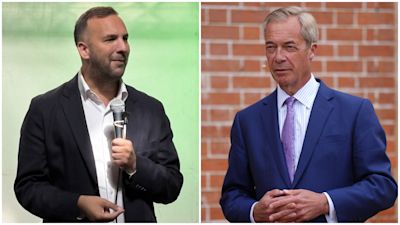
The dispute began after an image shared on social media showed a person wearing a T-shirt featuring a guillotine design alongside the phrase “We’re only making plans for Nigel”. Critics argued that the image could be interpreted as a reference to violence against Reform UK leader Nigel Farage. Reform UK described the post as unacceptable and referred the matter to police, claiming that such imagery crossed the line from political satire into dangerous rhetoric

Polanski has rejected suggestions that he supported any threat or violent message. He said he had not intended to promote such content and removed the post after becoming aware of the controversy. Supporters of the Green Party leader argued that the image was misunderstood and that political satire, particularly through clothing and artwork, has a long history in British culture.
The controversy highlights a difficult question facing politicians across the political spectrum: where should the boundary be drawn between political expression and language or imagery that could encourage hostility?
In recent years, political debate in Britain has become increasingly intense. Social media platforms allow politicians, activists, and ordinary citizens to share opinions instantly, but they also create situations where controversial material can spread widely before its meaning or context is fully understood.
Supporters of Reform UK argue that public figures have a special responsibility because their words and actions influence millions of people. They believe politicians should be particularly careful about sharing material that could be interpreted as encouraging harm, especially at a time when many public figures face security concerns.
Reform UK supporters have pointed to what they see as a wider problem of political intolerance. They argue that aggressive rhetoric against opponents should be taken seriously regardless of which side of the political spectrum it comes from. For them, the issue is not simply about one image but about maintaining standards in public life.
However, critics of Reform UK’s response argue that the complaint reflects a broader struggle over political humour and satire. They point out that political movements in Britain have long used provocative images, slogans, cartoons, and performances to challenge powerful figures and institutions.
The use of symbolic imagery such as the guillotine has historical associations with revolution and political change. While some people view it as a symbol of violence, others see it as a form of exaggerated political commentary. The meaning often depends heavily on context, audience, and intention.
The incident has placed Zack Polanski under intense scrutiny. As leader of the Green Party of England and Wales, he has sought to present the party as a stronger political force capable of challenging established parties and attracting voters concerned about inequality, environmental issues, and social reform.
For Polanski, the controversy presents a challenge beyond the individual post itself. Political leaders are judged not only by their policies but also by their reactions when disputes occur. A successful response requires balancing accountability with defending principles of free expression.
The Green Party has stated that the image was inappropriate and stressed that political disagreement should not involve threats or suggestions of violence. At the same time, supporters of the party have argued that the situation demonstrates the increasing pressure politicians face when dealing with online content.
The debate also reflects wider concerns about the safety of politicians. Britain has experienced serious incidents of political violence in recent years, leading many leaders to argue that public figures must take threats and intimidating language seriously.
At the same time, campaigners for free speech warn that political disagreement should not automatically be treated as criminal behaviour. They argue that democratic societies must allow space for criticism, satire, and unpopular opinions, provided they do not cross legal boundaries.
The police investigation into the complaint will determine whether any further action is necessary. However, regardless of the legal outcome, the political consequences of the controversy are likely to continue.
For Reform UK, the incident reinforces its argument that political opponents should be held accountable for their words and actions. The party has frequently focused on issues of national identity, public order, and criticism of what it views as failures among traditional political groups.
For the Green Party, the challenge is to maintain its message while avoiding distractions caused by controversies involving individual posts or statements. As the party attempts to expand its influence, it faces increased attention from political rivals and the media.
The dispute also demonstrates how modern politics is increasingly shaped by online communication. A single image can quickly become a national debate, forcing politicians to respond immediately. This environment rewards strong reactions but can also make careful discussion more difficult.
Many observers believe that all political parties share responsibility for reducing hostility in public debate. While disagreement is a fundamental part of democracy, critics argue that personal attacks, extreme language, and provocative imagery can damage trust between citizens and political institutions.
Ultimately, the controversy surrounding the guillotine T-shirt post raises questions that extend beyond one politician or one party. It highlights the ongoing challenge of balancing freedom of expression with responsibility in an era where political messages can reach millions within minutes.
As Britain approaches future elections and political battles, debates over language, online behaviour, and public standards are likely to become even more significant. The outcome of this dispute may fade, but the larger conversation about how politicians communicate in a divided society will continue.